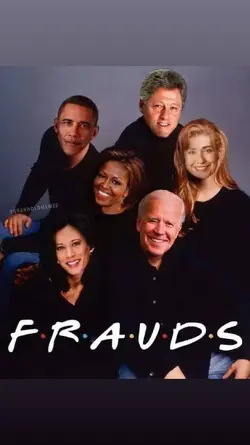
I think it's best to look at that from the perspective of a middle school playground (the behaviors match too).
The weak kids want to be on the bully's side, so they stand behind him and cheer him on when he bullies someone else. Then they follow him around the playground because they now belong to the side with the bully. And, of course, they're too weak to call him out on any of his bullying (or anything else, such as the fact that he gets terrible grades) and they choose to believe all his lies, because they want to belong, and they hate some of the people he bullies.
I wish it were more nuanced than that, but it really isn't.