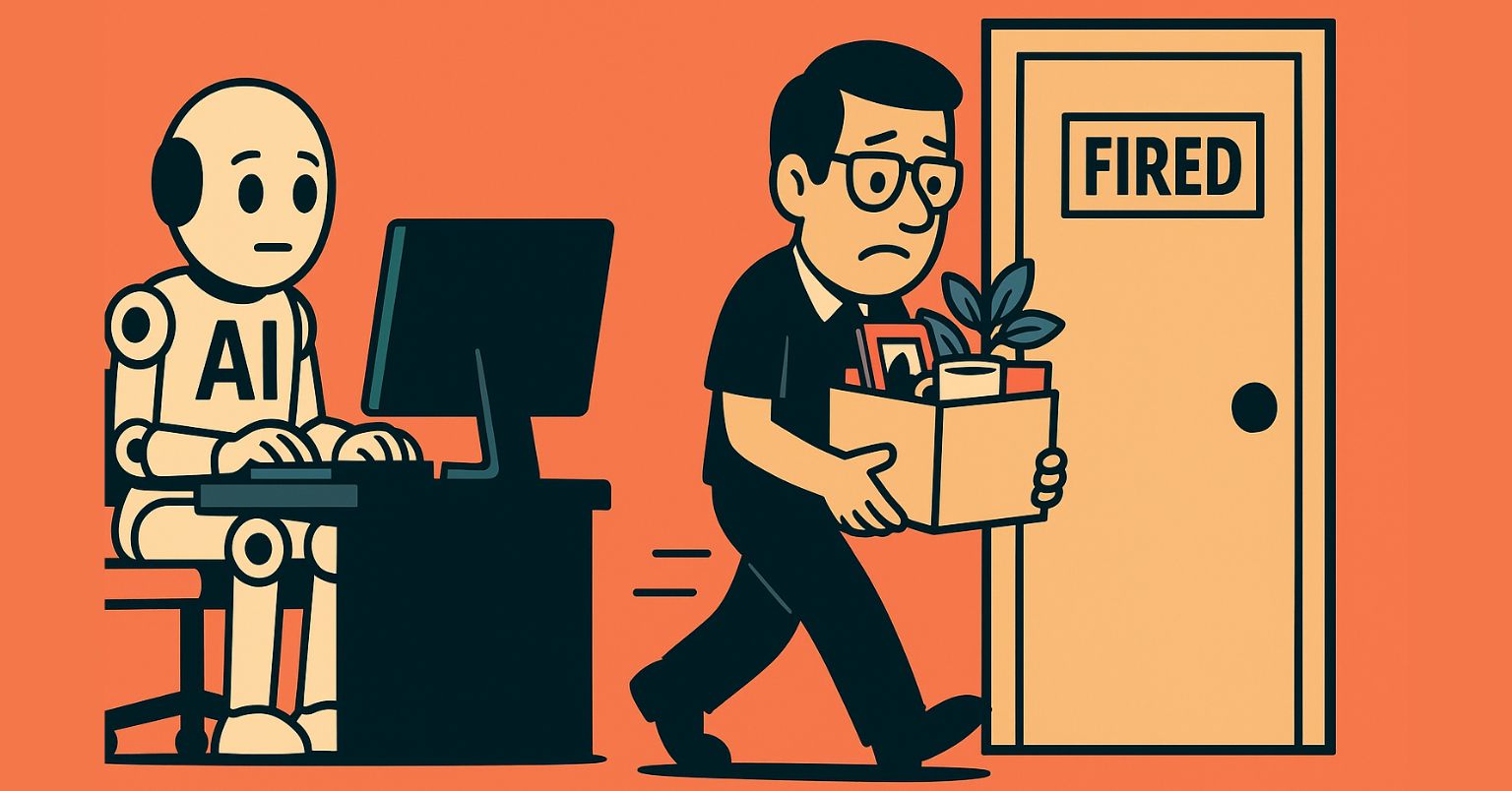
Once AI eliminates most human labor, the traditional “work for survival” model collapses. The question isn’t whether AI can do our jobs anymore, it’s how society responds to the distribution of the output.
Historically, when an economic system loses its core structure, societies have three ways to react: coercion, redefinition, or redistribution.
Coercion/Exclusion: The elite could hoard AI output, keeping the majority dependent on them. Digital feudalism. Possible, but politically unstable. Humans tend to revolt when survival is out of reach.
Redefinition of value: We could redefine what matters: art, science, caregiving, or creative purpose. Work becomes voluntary, but it assumes people can psychologically accept a life where economic power no longer defines status.
Redistribution/Collective provisioning: Essentially, socialism in practice: universal basic income, guaranteed access to essentials, or state-managed allocation of AI-generated resources. Someone has to decide how the machine’s output gets used.
Avoiding collective solutions is possible only under a narrow set of conditions: the elite maintain strict control of AI output, people accept material inequality without revolt. Otherwise, as humans lose the need to work, society will be forced to answer the distribution question.
The deeper AI penetrates, the narrower the space to avoid collective provisioning. Post-labor society is essentially a spectrum: from techno-feudalism to automated socialism, with social pressure pushing toward one form ofwe collective solution or another.
How we structure power, purpose, and access in a world where humans no longer need to work to survive.


%201.png)


