huh? what do you think a right is?Your first post, then sort of contradicts your second.Wrong.it is certainly a right..you have the right to own property in this country...that includes a company, or shares of a company. If you own shares of a company you have a right to go to share holder meetings.Attending a shareholders’ meeting is not a ‘right,’ however – hence the false comparison fallacy.Since voting is a right, you have to make sure those doing it actually are entitled to that right. Non-citizens do not have that right, so verification of citizenship is a logical prerequisite.Hypocrites.
It's so important to protect the sanctity of our shareholders and keep the riff raff out, but, the sanctity of your vote is not important to us.
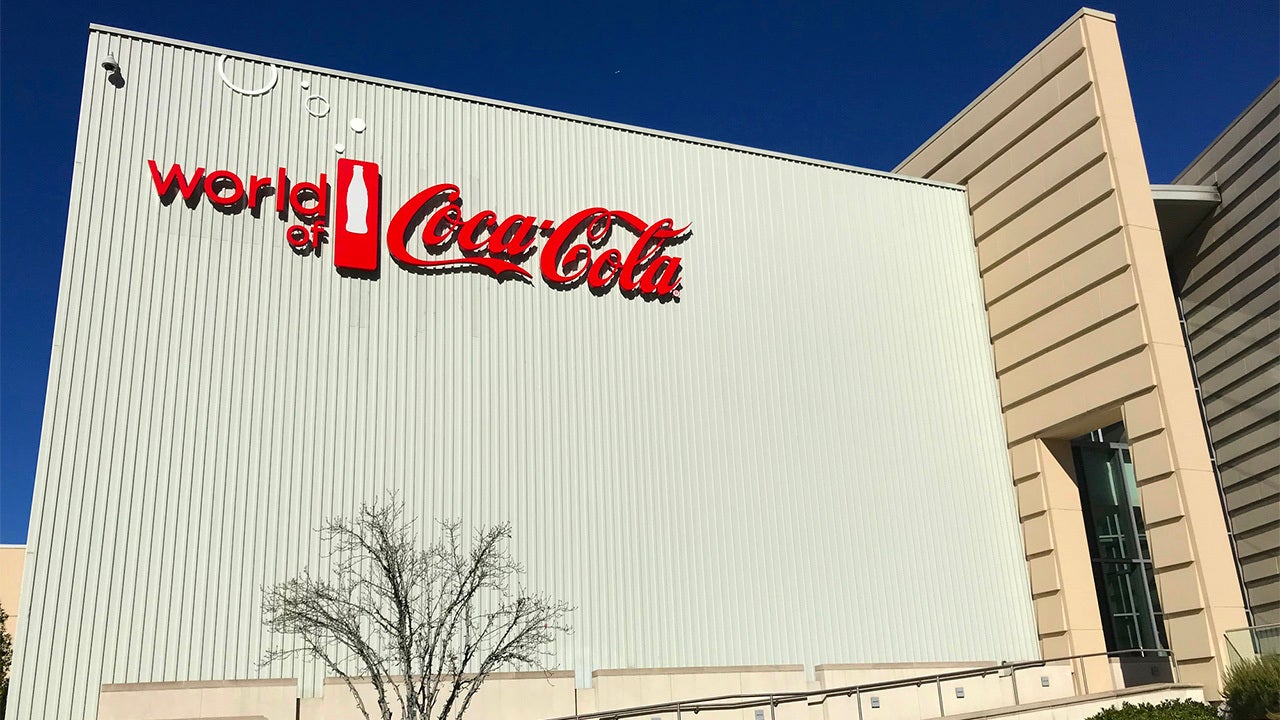
Coca-Cola required ID in 2020 shareholder meeting, but slams Georgia for voter ID law
Coca-Cola has released a statement condemning Georgia’s new voting legislation, but the company requires valid ID to be admitted to its annual meeting of shareholders.www.foxbusiness.com
Coca-Cola has released a statement condemning Georgia’s new voting legislation, but the company requires valid ID to be admitted to its annual meeting of shareholders.
“At the entrance to the meeting, we will verify your registration and request to see your admission ticket and a valid form of photo identification, such as a driver’s license or passport,” the company wrote in reference to its 2020 annual meeting of shareholders, held before the coronavirus pandemic.
Georgia’s new voting law requires a drivers’ license or state ID number be listed to submit an absentee ballot to vote, among other new reforms. The state already required ID to vote in person. It had previously relied on signature matching to verify ballots.
Coca-Cola is based in Atlanta. This week, the beverage company, among other Georgia-based companies, issued statements condemning the new legislation after threats of boycott.
I suppose a Coca-Cola board meeting is a right then.
Obviously, Coke who thinks minorities are too stupid to get an ID, also doesn't want them owning or partaking in company policies.
Constitutional rights concern solely the relationship between government and those governed, not between or among private persons or private entities.
Coca-Cola is not government, it is a private entity.
The state of Georgia is government, subject to Constitutional restrictions – such as being prohibited from placing an undue burden to the right to vote.
Well, rights are, generally, defined as a power that the government doesn't have and you do, and are protected from government intrusion.
Literally the Magna Carta and the English Bill of Rights were a power grab against the
yes, you have the right to own property.it is certainly a right..you have the right to own property in this country...that includes a company, or shares of a company. If you own shares of a company you have a right to go to share holder meetings.Attending a shareholders’ meeting is not a ‘right,’ however – hence the false comparison fallacy.Since voting is a right, you have to make sure those doing it actually are entitled to that right. Non-citizens do not have that right, so verification of citizenship is a logical prerequisite.Hypocrites.
It's so important to protect the sanctity of our shareholders and keep the riff raff out, but, the sanctity of your vote is not important to us.
Coca-Cola required ID in 2020 shareholder meeting, but slams Georgia for voter ID law
Coca-Cola has released a statement condemning Georgia’s new voting legislation, but the company requires valid ID to be admitted to its annual meeting of shareholders.
Coca-Cola has released a statement condemning Georgia’s new voting legislation, but the company requires valid ID to be admitted to its annual meeting of shareholders.
“At the entrance to the meeting, we will verify your registration and request to see your admission ticket and a valid form of photo identification, such as a driver’s license or passport,” the company wrote in reference to its 2020 annual meeting of shareholders, held before the coronavirus pandemic.
Georgia’s new voting law requires a drivers’ license or state ID number be listed to submit an absentee ballot to vote, among other new reforms. The state already required ID to vote in person. It had previously relied on signature matching to verify ballots.
Coca-Cola is based in Atlanta. This week, the beverage company, among other Georgia-based companies, issued statements condemning the new legislation after threats of boycott.
I suppose a Coca-Cola board meeting is a right then.
Obviously, Coke who thinks minorities are too stupid to get an ID, also doesn't want them owning or partaking in company policies.
Is it a RIGHT to own property? Or is it something that you can just do?
There's a big difference.
What do you think a "right" is?
Well, a right is a power taken from the people with power, usually the monarch or the government and given to the people.
People have a tendency of saying they have a right to everything and anything when it's not really a right.
I agree that a right is something that individuals have and the Govt generally can not take away or limit without due proces
So yes, you have a right to own property.
As far as your second point, no rights do not come from Govt. at least not in our Country, or any free society.
Well, not really. Not sure which first post you're talking about. The first post was that attending a board meeting isn't a right. And it's not. It's just something you can do.
Navigation
Install the app
How to install the app on iOS
Follow along with the video below to see how to install our site as a web app on your home screen.
Note: This feature may not be available in some browsers.
More options
Style variation
You are using an out of date browser. It may not display this or other websites correctly.
You should upgrade or use an alternative browser.
You should upgrade or use an alternative browser.
Coca-Cola required ID in 2020 shareholder meeting, but slams Georgia for voter ID law
- Thread starter shockedcanadian
- Start date

harmonica
Diamond Member
- Sep 1, 2017
- 43,841
- 20,043
- 2,300
there are many restrictions on US rights--for common sense reasonsHypocrites.
It's so important to protect the sanctity of our shareholders and keep the riff raff out, but, the sanctity of your vote is not important to us.
Coca-Cola required ID in 2020 shareholder meeting, but slams Georgia for voter ID law
Coca-Cola has released a statement condemning Georgia’s new voting legislation, but the company requires valid ID to be admitted to its annual meeting of shareholders.
Coca-Cola has released a statement condemning Georgia’s new voting legislation, but the company requires valid ID to be admitted to its annual meeting of shareholders.
“At the entrance to the meeting, we will verify your registration and request to see your admission ticket and a valid form of photo identification, such as a driver’s license or passport,” the company wrote in reference to its 2020 annual meeting of shareholders, held before the coronavirus pandemic.
Georgia’s new voting law requires a drivers’ license or state ID number be listed to submit an absentee ballot to vote, among other new reforms. The state already required ID to vote in person. It had previously relied on signature matching to verify ballots.
Coca-Cola is based in Atlanta. This week, the beverage company, among other Georgia-based companies, issued statements condemning the new legislation after threats of boycott.
I suppose a Coca-Cola board meeting is a right then.

frigidweirdo
Diamond Member
- Mar 7, 2014
- 55,180
- 15,306
- 2,180
The Govt can take away all your property, as along as there is Due Process of law. I am not sure what you mean by having one item of property...having a right to property, doesn't mean that you actually have property...it simply means you have the right to be able to go get it if you want itPlease cite this in the Constitution. I won't hold my breath waiting.yes, you have the right to own property.it is certainly a right..you have the right to own property in this country...that includes a company, or shares of a company. If you own shares of a company you have a right to go to share holder meetings.Attending a shareholders’ meeting is not a ‘right,’ however – hence the false comparison fallacy.Since voting is a right, you have to make sure those doing it actually are entitled to that right. Non-citizens do not have that right, so verification of citizenship is a logical prerequisite.Hypocrites.
It's so important to protect the sanctity of our shareholders and keep the riff raff out, but, the sanctity of your vote is not important to us.
Coca-Cola required ID in 2020 shareholder meeting, but slams Georgia for voter ID law
Coca-Cola has released a statement condemning Georgia’s new voting legislation, but the company requires valid ID to be admitted to its annual meeting of shareholders.
Coca-Cola has released a statement condemning Georgia’s new voting legislation, but the company requires valid ID to be admitted to its annual meeting of shareholders.
“At the entrance to the meeting, we will verify your registration and request to see your admission ticket and a valid form of photo identification, such as a driver’s license or passport,” the company wrote in reference to its 2020 annual meeting of shareholders, held before the coronavirus pandemic.
Georgia’s new voting law requires a drivers’ license or state ID number be listed to submit an absentee ballot to vote, among other new reforms. The state already required ID to vote in person. It had previously relied on signature matching to verify ballots.
Coca-Cola is based in Atlanta. This week, the beverage company, among other Georgia-based companies, issued statements condemning the new legislation after threats of boycott.
I suppose a Coca-Cola board meeting is a right then.
Obviously, Coke who thinks minorities are too stupid to get an ID, also doesn't want them owning or partaking in company policies.
Is it a RIGHT to own property? Or is it something that you can just do?
There's a big difference.
What do you think a "right" is?
Well, I'd suppose the 9th Amendment. This states there are rights that aren't written into the Constitution.
However it's all subjective. What is a right and what isn't a right when you're told that there isn't a body that defines all rights?
And if there's a right to own property, what are the limitations on this right?
Can the US government take away all property, as long as I am left with one item of property (therefore having property), or can they not take away any property?
Well, the right to keep arms, or the right to own weapons. Constitutionally as long as the government doesn't take away all of your weapons, leaves you with ONE, then it hasn't infringed upon the Constitutional right to keep arms.
It's a problem. If you have a right to own property, then owning one thing fulfills this requirement.
frigidweirdo
Diamond Member
- Mar 7, 2014
- 55,180
- 15,306
- 2,180
huh? what do you think a right is?Your first post, then sort of contradicts your second.Wrong.it is certainly a right..you have the right to own property in this country...that includes a company, or shares of a company. If you own shares of a company you have a right to go to share holder meetings.Attending a shareholders’ meeting is not a ‘right,’ however – hence the false comparison fallacy.Since voting is a right, you have to make sure those doing it actually are entitled to that right. Non-citizens do not have that right, so verification of citizenship is a logical prerequisite.Hypocrites.
It's so important to protect the sanctity of our shareholders and keep the riff raff out, but, the sanctity of your vote is not important to us.
Coca-Cola required ID in 2020 shareholder meeting, but slams Georgia for voter ID law
Coca-Cola has released a statement condemning Georgia’s new voting legislation, but the company requires valid ID to be admitted to its annual meeting of shareholders.
Coca-Cola has released a statement condemning Georgia’s new voting legislation, but the company requires valid ID to be admitted to its annual meeting of shareholders.
“At the entrance to the meeting, we will verify your registration and request to see your admission ticket and a valid form of photo identification, such as a driver’s license or passport,” the company wrote in reference to its 2020 annual meeting of shareholders, held before the coronavirus pandemic.
Georgia’s new voting law requires a drivers’ license or state ID number be listed to submit an absentee ballot to vote, among other new reforms. The state already required ID to vote in person. It had previously relied on signature matching to verify ballots.
Coca-Cola is based in Atlanta. This week, the beverage company, among other Georgia-based companies, issued statements condemning the new legislation after threats of boycott.
I suppose a Coca-Cola board meeting is a right then.
Obviously, Coke who thinks minorities are too stupid to get an ID, also doesn't want them owning or partaking in company policies.
Constitutional rights concern solely the relationship between government and those governed, not between or among private persons or private entities.
Coca-Cola is not government, it is a private entity.
The state of Georgia is government, subject to Constitutional restrictions – such as being prohibited from placing an undue burden to the right to vote.
Well, rights are, generally, defined as a power that the government doesn't have and you do, and are protected from government intrusion.
Literally the Magna Carta and the English Bill of Rights were a power grab against the
yes, you have the right to own property.it is certainly a right..you have the right to own property in this country...that includes a company, or shares of a company. If you own shares of a company you have a right to go to share holder meetings.Attending a shareholders’ meeting is not a ‘right,’ however – hence the false comparison fallacy.Since voting is a right, you have to make sure those doing it actually are entitled to that right. Non-citizens do not have that right, so verification of citizenship is a logical prerequisite.Hypocrites.
It's so important to protect the sanctity of our shareholders and keep the riff raff out, but, the sanctity of your vote is not important to us.
Coca-Cola required ID in 2020 shareholder meeting, but slams Georgia for voter ID law
Coca-Cola has released a statement condemning Georgia’s new voting legislation, but the company requires valid ID to be admitted to its annual meeting of shareholders.
Coca-Cola has released a statement condemning Georgia’s new voting legislation, but the company requires valid ID to be admitted to its annual meeting of shareholders.
“At the entrance to the meeting, we will verify your registration and request to see your admission ticket and a valid form of photo identification, such as a driver’s license or passport,” the company wrote in reference to its 2020 annual meeting of shareholders, held before the coronavirus pandemic.
Georgia’s new voting law requires a drivers’ license or state ID number be listed to submit an absentee ballot to vote, among other new reforms. The state already required ID to vote in person. It had previously relied on signature matching to verify ballots.
Coca-Cola is based in Atlanta. This week, the beverage company, among other Georgia-based companies, issued statements condemning the new legislation after threats of boycott.
I suppose a Coca-Cola board meeting is a right then.
Obviously, Coke who thinks minorities are too stupid to get an ID, also doesn't want them owning or partaking in company policies.
Is it a RIGHT to own property? Or is it something that you can just do?
There's a big difference.
What do you think a "right" is?
Well, a right is a power taken from the people with power, usually the monarch or the government and given to the people.
People have a tendency of saying they have a right to everything and anything when it's not really a right.
I agree that a right is something that individuals have and the Govt generally can not take away or limit without due proces
So yes, you have a right to own property.
As far as your second point, no rights do not come from Govt. at least not in our Country, or any free society.
Well, not really. Not sure which first post you're talking about. The first post was that attending a board meeting isn't a right. And it's not. It's just something you can do.
A right is a power that has been taken away from those with the most power.
frigidweirdo
Diamond Member
- Mar 7, 2014
- 55,180
- 15,306
- 2,180
there are many restrictions on US rights--for common sense reasonsHypocrites.
It's so important to protect the sanctity of our shareholders and keep the riff raff out, but, the sanctity of your vote is not important to us.
Coca-Cola required ID in 2020 shareholder meeting, but slams Georgia for voter ID law
Coca-Cola has released a statement condemning Georgia’s new voting legislation, but the company requires valid ID to be admitted to its annual meeting of shareholders.
Coca-Cola has released a statement condemning Georgia’s new voting legislation, but the company requires valid ID to be admitted to its annual meeting of shareholders.
“At the entrance to the meeting, we will verify your registration and request to see your admission ticket and a valid form of photo identification, such as a driver’s license or passport,” the company wrote in reference to its 2020 annual meeting of shareholders, held before the coronavirus pandemic.
Georgia’s new voting law requires a drivers’ license or state ID number be listed to submit an absentee ballot to vote, among other new reforms. The state already required ID to vote in person. It had previously relied on signature matching to verify ballots.
Coca-Cola is based in Atlanta. This week, the beverage company, among other Georgia-based companies, issued statements condemning the new legislation after threats of boycott.
I suppose a Coca-Cola board meeting is a right then.
Sure there are. All rights have restrictions.
Who decides?
But then again, sitting on the board of Coca-cola or any other company isn't a right. Not everyone can do that.
Well no...that's not true.The Govt can take away all your property, as along as there is Due Process of law. I am not sure what you mean by having one item of property...having a right to property, doesn't mean that you actually have property...it simply means you have the right to be able to go get it if you want itPlease cite this in the Constitution. I won't hold my breath waiting.yes, you have the right to own property.it is certainly a right..you have the right to own property in this country...that includes a company, or shares of a company. If you own shares of a company you have a right to go to share holder meetings.Attending a shareholders’ meeting is not a ‘right,’ however – hence the false comparison fallacy.Since voting is a right, you have to make sure those doing it actually are entitled to that right. Non-citizens do not have that right, so verification of citizenship is a logical prerequisite.Hypocrites.
It's so important to protect the sanctity of our shareholders and keep the riff raff out, but, the sanctity of your vote is not important to us.
Coca-Cola required ID in 2020 shareholder meeting, but slams Georgia for voter ID law
Coca-Cola has released a statement condemning Georgia’s new voting legislation, but the company requires valid ID to be admitted to its annual meeting of shareholders.
Coca-Cola has released a statement condemning Georgia’s new voting legislation, but the company requires valid ID to be admitted to its annual meeting of shareholders.
“At the entrance to the meeting, we will verify your registration and request to see your admission ticket and a valid form of photo identification, such as a driver’s license or passport,” the company wrote in reference to its 2020 annual meeting of shareholders, held before the coronavirus pandemic.
Georgia’s new voting law requires a drivers’ license or state ID number be listed to submit an absentee ballot to vote, among other new reforms. The state already required ID to vote in person. It had previously relied on signature matching to verify ballots.
Coca-Cola is based in Atlanta. This week, the beverage company, among other Georgia-based companies, issued statements condemning the new legislation after threats of boycott.
I suppose a Coca-Cola board meeting is a right then.
Obviously, Coke who thinks minorities are too stupid to get an ID, also doesn't want them owning or partaking in company policies.
Is it a RIGHT to own property? Or is it something that you can just do?
There's a big difference.
What do you think a "right" is?
Well, I'd suppose the 9th Amendment. This states there are rights that aren't written into the Constitution.
However it's all subjective. What is a right and what isn't a right when you're told that there isn't a body that defines all rights?
And if there's a right to own property, what are the limitations on this right?
Can the US government take away all property, as long as I am left with one item of property (therefore having property), or can they not take away any property?
Well, the right to keep arms, or the right to own weapons. Constitutionally as long as the government doesn't take away all of your weapons, leaves you with ONE, then it hasn't infringed upon the Constitutional right to keep arms.
It's a problem. If you have a right to own property, then owning one thing fulfills this requirement.
Owning something doesn't fullfill the requirement of a "right" - Rights don't come from the Govt.
What do you think a right is?
huh? explain that?huh? what do you think a right is?Your first post, then sort of contradicts your second.Wrong.it is certainly a right..you have the right to own property in this country...that includes a company, or shares of a company. If you own shares of a company you have a right to go to share holder meetings.Attending a shareholders’ meeting is not a ‘right,’ however – hence the false comparison fallacy.Since voting is a right, you have to make sure those doing it actually are entitled to that right. Non-citizens do not have that right, so verification of citizenship is a logical prerequisite.Hypocrites.
It's so important to protect the sanctity of our shareholders and keep the riff raff out, but, the sanctity of your vote is not important to us.
Coca-Cola required ID in 2020 shareholder meeting, but slams Georgia for voter ID law
Coca-Cola has released a statement condemning Georgia’s new voting legislation, but the company requires valid ID to be admitted to its annual meeting of shareholders.
Coca-Cola has released a statement condemning Georgia’s new voting legislation, but the company requires valid ID to be admitted to its annual meeting of shareholders.
“At the entrance to the meeting, we will verify your registration and request to see your admission ticket and a valid form of photo identification, such as a driver’s license or passport,” the company wrote in reference to its 2020 annual meeting of shareholders, held before the coronavirus pandemic.
Georgia’s new voting law requires a drivers’ license or state ID number be listed to submit an absentee ballot to vote, among other new reforms. The state already required ID to vote in person. It had previously relied on signature matching to verify ballots.
Coca-Cola is based in Atlanta. This week, the beverage company, among other Georgia-based companies, issued statements condemning the new legislation after threats of boycott.
I suppose a Coca-Cola board meeting is a right then.
Obviously, Coke who thinks minorities are too stupid to get an ID, also doesn't want them owning or partaking in company policies.
Constitutional rights concern solely the relationship between government and those governed, not between or among private persons or private entities.
Coca-Cola is not government, it is a private entity.
The state of Georgia is government, subject to Constitutional restrictions – such as being prohibited from placing an undue burden to the right to vote.
Well, rights are, generally, defined as a power that the government doesn't have and you do, and are protected from government intrusion.
Literally the Magna Carta and the English Bill of Rights were a power grab against the
yes, you have the right to own property.it is certainly a right..you have the right to own property in this country...that includes a company, or shares of a company. If you own shares of a company you have a right to go to share holder meetings.Attending a shareholders’ meeting is not a ‘right,’ however – hence the false comparison fallacy.Since voting is a right, you have to make sure those doing it actually are entitled to that right. Non-citizens do not have that right, so verification of citizenship is a logical prerequisite.Hypocrites.
It's so important to protect the sanctity of our shareholders and keep the riff raff out, but, the sanctity of your vote is not important to us.
Coca-Cola required ID in 2020 shareholder meeting, but slams Georgia for voter ID law
Coca-Cola has released a statement condemning Georgia’s new voting legislation, but the company requires valid ID to be admitted to its annual meeting of shareholders.
Coca-Cola has released a statement condemning Georgia’s new voting legislation, but the company requires valid ID to be admitted to its annual meeting of shareholders.
“At the entrance to the meeting, we will verify your registration and request to see your admission ticket and a valid form of photo identification, such as a driver’s license or passport,” the company wrote in reference to its 2020 annual meeting of shareholders, held before the coronavirus pandemic.
Georgia’s new voting law requires a drivers’ license or state ID number be listed to submit an absentee ballot to vote, among other new reforms. The state already required ID to vote in person. It had previously relied on signature matching to verify ballots.
Coca-Cola is based in Atlanta. This week, the beverage company, among other Georgia-based companies, issued statements condemning the new legislation after threats of boycott.
I suppose a Coca-Cola board meeting is a right then.
Obviously, Coke who thinks minorities are too stupid to get an ID, also doesn't want them owning or partaking in company policies.
Is it a RIGHT to own property? Or is it something that you can just do?
There's a big difference.
What do you think a "right" is?
Well, a right is a power taken from the people with power, usually the monarch or the government and given to the people.
People have a tendency of saying they have a right to everything and anything when it's not really a right.
I agree that a right is something that individuals have and the Govt generally can not take away or limit without due proces
So yes, you have a right to own property.
As far as your second point, no rights do not come from Govt. at least not in our Country, or any free society.
Well, not really. Not sure which first post you're talking about. The first post was that attending a board meeting isn't a right. And it's not. It's just something you can do.
A right is a power that has been taken away from those with the most power.
A right has been taken away from someone with power? Everyone has rights, we are all born with them, we are all born free. Locke said it best, and you can find his influence directly in our Founders and Founding documents...we are born with certain unalienable rights, the rights to life, liberty, and right to property, or pursuit of happiness.
These rights aren't taken from anyone...we all of them inheritably
frigidweirdo
Diamond Member
- Mar 7, 2014
- 55,180
- 15,306
- 2,180
Well no...that's not true.The Govt can take away all your property, as along as there is Due Process of law. I am not sure what you mean by having one item of property...having a right to property, doesn't mean that you actually have property...it simply means you have the right to be able to go get it if you want itPlease cite this in the Constitution. I won't hold my breath waiting.yes, you have the right to own property.it is certainly a right..you have the right to own property in this country...that includes a company, or shares of a company. If you own shares of a company you have a right to go to share holder meetings.Attending a shareholders’ meeting is not a ‘right,’ however – hence the false comparison fallacy.Since voting is a right, you have to make sure those doing it actually are entitled to that right. Non-citizens do not have that right, so verification of citizenship is a logical prerequisite.Hypocrites.
It's so important to protect the sanctity of our shareholders and keep the riff raff out, but, the sanctity of your vote is not important to us.
Coca-Cola required ID in 2020 shareholder meeting, but slams Georgia for voter ID law
Coca-Cola has released a statement condemning Georgia’s new voting legislation, but the company requires valid ID to be admitted to its annual meeting of shareholders.
Coca-Cola has released a statement condemning Georgia’s new voting legislation, but the company requires valid ID to be admitted to its annual meeting of shareholders.
“At the entrance to the meeting, we will verify your registration and request to see your admission ticket and a valid form of photo identification, such as a driver’s license or passport,” the company wrote in reference to its 2020 annual meeting of shareholders, held before the coronavirus pandemic.
Georgia’s new voting law requires a drivers’ license or state ID number be listed to submit an absentee ballot to vote, among other new reforms. The state already required ID to vote in person. It had previously relied on signature matching to verify ballots.
Coca-Cola is based in Atlanta. This week, the beverage company, among other Georgia-based companies, issued statements condemning the new legislation after threats of boycott.
I suppose a Coca-Cola board meeting is a right then.
Obviously, Coke who thinks minorities are too stupid to get an ID, also doesn't want them owning or partaking in company policies.
Is it a RIGHT to own property? Or is it something that you can just do?
There's a big difference.
What do you think a "right" is?
Well, I'd suppose the 9th Amendment. This states there are rights that aren't written into the Constitution.
However it's all subjective. What is a right and what isn't a right when you're told that there isn't a body that defines all rights?
And if there's a right to own property, what are the limitations on this right?
Can the US government take away all property, as long as I am left with one item of property (therefore having property), or can they not take away any property?
Well, the right to keep arms, or the right to own weapons. Constitutionally as long as the government doesn't take away all of your weapons, leaves you with ONE, then it hasn't infringed upon the Constitutional right to keep arms.
It's a problem. If you have a right to own property, then owning one thing fulfills this requirement.
Owning something doesn't fullfill the requirement of a "right" - Rights don't come from the Govt.
What do you think a right is?
Well, rights come from somewhere.
Let's go back to the Magna Carta.
King John was the monarch of England and other bits and pieces, like Normandy.
He had absolute power. In theory at least. But everyone knows that power isn't just something that appears and is, you have to get your power from somewhere, and with kings of England it usually came from the major barons of regions in England, like Mercia.
So, as long as these barons accepted your power, you had power. If they didn't, you didn't have power.
And John, well John wasn't very good at being king. He lost a lot of land, and the barons didn't like him much. So they rebelled and the king was forced to accept the Magna Carta which gave the barons power which the king had had.
This power was called "rights".
Then you have the English Bill of Rights.
There was a king, James II. Some people didn't like him so they "invited" William of Orange to "invade". He did so and James diddled off to France. They were like "Well, you know, we want a monarch, but we don't want him having as much power as James had, so, here's the English Bill of Rights, don't like it? Then you can feck off, can't you?"
So they took some more power from the monarch. Though they were "rights" they weren't universal in any sense of the word. Mostly they were powers for important people.
So a right is merely power not in the hands of the government.
The issue here is what is "power".
Do I have the "right" to pick my nose? No. Why?
Because there never was a power to pick one's nose. So this power hasn't been taken from the government/monarch/dude in charge and given to the people.
frigidweirdo
Diamond Member
- Mar 7, 2014
- 55,180
- 15,306
- 2,180
huh? explain that?huh? what do you think a right is?Your first post, then sort of contradicts your second.Wrong.it is certainly a right..you have the right to own property in this country...that includes a company, or shares of a company. If you own shares of a company you have a right to go to share holder meetings.Attending a shareholders’ meeting is not a ‘right,’ however – hence the false comparison fallacy.Since voting is a right, you have to make sure those doing it actually are entitled to that right. Non-citizens do not have that right, so verification of citizenship is a logical prerequisite.Hypocrites.
It's so important to protect the sanctity of our shareholders and keep the riff raff out, but, the sanctity of your vote is not important to us.
Coca-Cola required ID in 2020 shareholder meeting, but slams Georgia for voter ID law
Coca-Cola has released a statement condemning Georgia’s new voting legislation, but the company requires valid ID to be admitted to its annual meeting of shareholders.
Coca-Cola has released a statement condemning Georgia’s new voting legislation, but the company requires valid ID to be admitted to its annual meeting of shareholders.
“At the entrance to the meeting, we will verify your registration and request to see your admission ticket and a valid form of photo identification, such as a driver’s license or passport,” the company wrote in reference to its 2020 annual meeting of shareholders, held before the coronavirus pandemic.
Georgia’s new voting law requires a drivers’ license or state ID number be listed to submit an absentee ballot to vote, among other new reforms. The state already required ID to vote in person. It had previously relied on signature matching to verify ballots.
Coca-Cola is based in Atlanta. This week, the beverage company, among other Georgia-based companies, issued statements condemning the new legislation after threats of boycott.
I suppose a Coca-Cola board meeting is a right then.
Obviously, Coke who thinks minorities are too stupid to get an ID, also doesn't want them owning or partaking in company policies.
Constitutional rights concern solely the relationship between government and those governed, not between or among private persons or private entities.
Coca-Cola is not government, it is a private entity.
The state of Georgia is government, subject to Constitutional restrictions – such as being prohibited from placing an undue burden to the right to vote.
Well, rights are, generally, defined as a power that the government doesn't have and you do, and are protected from government intrusion.
Literally the Magna Carta and the English Bill of Rights were a power grab against the
yes, you have the right to own property.it is certainly a right..you have the right to own property in this country...that includes a company, or shares of a company. If you own shares of a company you have a right to go to share holder meetings.Attending a shareholders’ meeting is not a ‘right,’ however – hence the false comparison fallacy.Since voting is a right, you have to make sure those doing it actually are entitled to that right. Non-citizens do not have that right, so verification of citizenship is a logical prerequisite.Hypocrites.
It's so important to protect the sanctity of our shareholders and keep the riff raff out, but, the sanctity of your vote is not important to us.
Coca-Cola required ID in 2020 shareholder meeting, but slams Georgia for voter ID law
Coca-Cola has released a statement condemning Georgia’s new voting legislation, but the company requires valid ID to be admitted to its annual meeting of shareholders.
Coca-Cola has released a statement condemning Georgia’s new voting legislation, but the company requires valid ID to be admitted to its annual meeting of shareholders.
“At the entrance to the meeting, we will verify your registration and request to see your admission ticket and a valid form of photo identification, such as a driver’s license or passport,” the company wrote in reference to its 2020 annual meeting of shareholders, held before the coronavirus pandemic.
Georgia’s new voting law requires a drivers’ license or state ID number be listed to submit an absentee ballot to vote, among other new reforms. The state already required ID to vote in person. It had previously relied on signature matching to verify ballots.
Coca-Cola is based in Atlanta. This week, the beverage company, among other Georgia-based companies, issued statements condemning the new legislation after threats of boycott.
I suppose a Coca-Cola board meeting is a right then.
Obviously, Coke who thinks minorities are too stupid to get an ID, also doesn't want them owning or partaking in company policies.
Is it a RIGHT to own property? Or is it something that you can just do?
There's a big difference.
What do you think a "right" is?
Well, a right is a power taken from the people with power, usually the monarch or the government and given to the people.
People have a tendency of saying they have a right to everything and anything when it's not really a right.
I agree that a right is something that individuals have and the Govt generally can not take away or limit without due proces
So yes, you have a right to own property.
As far as your second point, no rights do not come from Govt. at least not in our Country, or any free society.
Well, not really. Not sure which first post you're talking about. The first post was that attending a board meeting isn't a right. And it's not. It's just something you can do.
A right is a power that has been taken away from those with the most power.
A right has been taken away from someone with power? Everyone has rights, we are all born with them, we are all born free. Locke said it best, and you can find his influence directly in our Founders and Founding documents...we are born with certain unalienable rights, the rights to life, liberty, and right to property, or pursuit of happiness.
These rights aren't taken from anyone...we all of them inheritably
We're actually not born with rights.
Rights is a human construct. We've developed a nice little story around what rights are. Some claim they've from God, others claim they're there because we're human.
The reality is something different.
And I understand the theories behind rights, but I'm looking at the reality of rights.

j-mac
Nuthin' but the truth
One d
One doesn’t have to drive to get a state issued ID.
in my state the govt does give out IDs...they have what's called a department of motor vehiclesMost other countries do it in multiple stages. There's a registration period, and then you have to show ID at the polls.Since voting is a right, you have to make sure those doing it actually are entitled to that right. Non-citizens do not have that right, so verification of citizenship is a logical prerequisite.Hypocrites.
It's so important to protect the sanctity of our shareholders and keep the riff raff out, but, the sanctity of your vote is not important to us.
Coca-Cola required ID in 2020 shareholder meeting, but slams Georgia for voter ID law
Coca-Cola has released a statement condemning Georgia’s new voting legislation, but the company requires valid ID to be admitted to its annual meeting of shareholders.
Coca-Cola has released a statement condemning Georgia’s new voting legislation, but the company requires valid ID to be admitted to its annual meeting of shareholders.
“At the entrance to the meeting, we will verify your registration and request to see your admission ticket and a valid form of photo identification, such as a driver’s license or passport,” the company wrote in reference to its 2020 annual meeting of shareholders, held before the coronavirus pandemic.
Georgia’s new voting law requires a drivers’ license or state ID number be listed to submit an absentee ballot to vote, among other new reforms. The state already required ID to vote in person. It had previously relied on signature matching to verify ballots.
Coca-Cola is based in Atlanta. This week, the beverage company, among other Georgia-based companies, issued statements condemning the new legislation after threats of boycott.
I suppose a Coca-Cola board meeting is a right then.
Well, maybe. But that point in time is NOT at the polling station. It's beforehand.
The only valid argument I've seen from the left on this is that the ID should be paid for by taxes. I'm ok with that. If the left is willing to support voter ID in exchange for the ID being "free" for the poor, then so be it.
Yes, you'd have to make sure people aren't getting disenfranchised.
The problem in the US is there is no form of ID that is required. Something about freedom and not wanting the government to have all this information.
So, either you go with a big government bureaucracy giving ID cards, or you don't show ID at the polls.
Which you have to pass a test to get.
So, are you saying anyone who chooses not to take the test can't vote?
Why would driving be a requirement to exercise a right?
"Sorry sir, you didn't pass the driving test, no guns for you".
in my state the govt does give out IDs...they have what's called a department of motor vehiclesMost other countries do it in multiple stages. There's a registration period, and then you have to show ID at the polls.Since voting is a right, you have to make sure those doing it actually are entitled to that right. Non-citizens do not have that right, so verification of citizenship is a logical prerequisite.Hypocrites.
It's so important to protect the sanctity of our shareholders and keep the riff raff out, but, the sanctity of your vote is not important to us.
Coca-Cola required ID in 2020 shareholder meeting, but slams Georgia for voter ID law
Coca-Cola has released a statement condemning Georgia’s new voting legislation, but the company requires valid ID to be admitted to its annual meeting of shareholders.
Coca-Cola has released a statement condemning Georgia’s new voting legislation, but the company requires valid ID to be admitted to its annual meeting of shareholders.
“At the entrance to the meeting, we will verify your registration and request to see your admission ticket and a valid form of photo identification, such as a driver’s license or passport,” the company wrote in reference to its 2020 annual meeting of shareholders, held before the coronavirus pandemic.
Georgia’s new voting law requires a drivers’ license or state ID number be listed to submit an absentee ballot to vote, among other new reforms. The state already required ID to vote in person. It had previously relied on signature matching to verify ballots.
Coca-Cola is based in Atlanta. This week, the beverage company, among other Georgia-based companies, issued statements condemning the new legislation after threats of boycott.
I suppose a Coca-Cola board meeting is a right then.
Well, maybe. But that point in time is NOT at the polling station. It's beforehand.
The only valid argument I've seen from the left on this is that the ID should be paid for by taxes. I'm ok with that. If the left is willing to support voter ID in exchange for the ID being "free" for the poor, then so be it.
Yes, you'd have to make sure people aren't getting disenfranchised.
The problem in the US is there is no form of ID that is required. Something about freedom and not wanting the government to have all this information.
So, either you go with a big government bureaucracy giving ID cards, or you don't show ID at the polls.
Which you have to pass a test to get.
So, are you saying anyone who chooses not to take the test can't vote?
Why would driving be a requirement to exercise a right?
"Sorry sir, you didn't pass the driving test, no guns for you".
One doesn’t have to drive to get a state issued ID.
The English believed in the Divine Right of Kings and that their power came from God.Well no...that's not true.The Govt can take away all your property, as along as there is Due Process of law. I am not sure what you mean by having one item of property...having a right to property, doesn't mean that you actually have property...it simply means you have the right to be able to go get it if you want itPlease cite this in the Constitution. I won't hold my breath waiting.yes, you have the right to own property.it is certainly a right..you have the right to own property in this country...that includes a company, or shares of a company. If you own shares of a company you have a right to go to share holder meetings.Attending a shareholders’ meeting is not a ‘right,’ however – hence the false comparison fallacy.Since voting is a right, you have to make sure those doing it actually are entitled to that right. Non-citizens do not have that right, so verification of citizenship is a logical prerequisite.Hypocrites.
It's so important to protect the sanctity of our shareholders and keep the riff raff out, but, the sanctity of your vote is not important to us.
Coca-Cola required ID in 2020 shareholder meeting, but slams Georgia for voter ID law
Coca-Cola has released a statement condemning Georgia’s new voting legislation, but the company requires valid ID to be admitted to its annual meeting of shareholders.
Coca-Cola has released a statement condemning Georgia’s new voting legislation, but the company requires valid ID to be admitted to its annual meeting of shareholders.
“At the entrance to the meeting, we will verify your registration and request to see your admission ticket and a valid form of photo identification, such as a driver’s license or passport,” the company wrote in reference to its 2020 annual meeting of shareholders, held before the coronavirus pandemic.
Georgia’s new voting law requires a drivers’ license or state ID number be listed to submit an absentee ballot to vote, among other new reforms. The state already required ID to vote in person. It had previously relied on signature matching to verify ballots.
Coca-Cola is based in Atlanta. This week, the beverage company, among other Georgia-based companies, issued statements condemning the new legislation after threats of boycott.
I suppose a Coca-Cola board meeting is a right then.
Obviously, Coke who thinks minorities are too stupid to get an ID, also doesn't want them owning or partaking in company policies.
Is it a RIGHT to own property? Or is it something that you can just do?
There's a big difference.
What do you think a "right" is?
Well, I'd suppose the 9th Amendment. This states there are rights that aren't written into the Constitution.
However it's all subjective. What is a right and what isn't a right when you're told that there isn't a body that defines all rights?
And if there's a right to own property, what are the limitations on this right?
Can the US government take away all property, as long as I am left with one item of property (therefore having property), or can they not take away any property?
Well, the right to keep arms, or the right to own weapons. Constitutionally as long as the government doesn't take away all of your weapons, leaves you with ONE, then it hasn't infringed upon the Constitutional right to keep arms.
It's a problem. If you have a right to own property, then owning one thing fulfills this requirement.
Owning something doesn't fullfill the requirement of a "right" - Rights don't come from the Govt.
What do you think a right is?
Well, rights come from somewhere.
Let's go back to the Magna Carta.
King John was the monarch of England and other bits and pieces, like Normandy.
He had absolute power. In theory at least. But everyone knows that power isn't just something that appears and is, you have to get your power from somewhere, and with kings of England it usually came from the major barons of regions in England, like Mercia.
So, as long as these barons accepted your power, you had power. If they didn't, you didn't have power.
And John, well John wasn't very good at being king. He lost a lot of land, and the barons didn't like him much. So they rebelled and the king was forced to accept the Magna Carta which gave the barons power which the king had had.
This power was called "rights".
Then you have the English Bill of Rights.
There was a king, James II. Some people didn't like him so they "invited" William of Orange to "invade". He did so and James diddled off to France. They were like "Well, you know, we want a monarch, but we don't want him having as much power as James had, so, here's the English Bill of Rights, don't like it? Then you can feck off, can't you?"
So they took some more power from the monarch. Though they were "rights" they weren't universal in any sense of the word. Mostly they were powers for important people.
So a right is merely power not in the hands of the government.
The issue here is what is "power".
Do I have the "right" to pick my nose? No. Why?
Because there never was a power to pick one's nose. So this power hasn't been taken from the government/monarch/dude in charge and given to the people.
Since then we had the Enlightenment, and our Founders adopted the theories of folks like John Locke that believed people are born free. We the people give up some of our soveignty to the State to give the State power. The people are born free...weather that comes from God, or whatever...it's the individual, not the State that has rights.
The Magna Carte is an example of people exercising their God given rights, and questioning the divine right theory
Yes we are born free. The human construction is the limitations on that freedom...ie Govt.huh? explain that?huh? what do you think a right is?Your first post, then sort of contradicts your second.Wrong.it is certainly a right..you have the right to own property in this country...that includes a company, or shares of a company. If you own shares of a company you have a right to go to share holder meetings.Attending a shareholders’ meeting is not a ‘right,’ however – hence the false comparison fallacy.Since voting is a right, you have to make sure those doing it actually are entitled to that right. Non-citizens do not have that right, so verification of citizenship is a logical prerequisite.Hypocrites.
It's so important to protect the sanctity of our shareholders and keep the riff raff out, but, the sanctity of your vote is not important to us.
Coca-Cola required ID in 2020 shareholder meeting, but slams Georgia for voter ID law
Coca-Cola has released a statement condemning Georgia’s new voting legislation, but the company requires valid ID to be admitted to its annual meeting of shareholders.
Coca-Cola has released a statement condemning Georgia’s new voting legislation, but the company requires valid ID to be admitted to its annual meeting of shareholders.
“At the entrance to the meeting, we will verify your registration and request to see your admission ticket and a valid form of photo identification, such as a driver’s license or passport,” the company wrote in reference to its 2020 annual meeting of shareholders, held before the coronavirus pandemic.
Georgia’s new voting law requires a drivers’ license or state ID number be listed to submit an absentee ballot to vote, among other new reforms. The state already required ID to vote in person. It had previously relied on signature matching to verify ballots.
Coca-Cola is based in Atlanta. This week, the beverage company, among other Georgia-based companies, issued statements condemning the new legislation after threats of boycott.
I suppose a Coca-Cola board meeting is a right then.
Obviously, Coke who thinks minorities are too stupid to get an ID, also doesn't want them owning or partaking in company policies.
Constitutional rights concern solely the relationship between government and those governed, not between or among private persons or private entities.
Coca-Cola is not government, it is a private entity.
The state of Georgia is government, subject to Constitutional restrictions – such as being prohibited from placing an undue burden to the right to vote.
Well, rights are, generally, defined as a power that the government doesn't have and you do, and are protected from government intrusion.
Literally the Magna Carta and the English Bill of Rights were a power grab against the
yes, you have the right to own property.it is certainly a right..you have the right to own property in this country...that includes a company, or shares of a company. If you own shares of a company you have a right to go to share holder meetings.Attending a shareholders’ meeting is not a ‘right,’ however – hence the false comparison fallacy.Since voting is a right, you have to make sure those doing it actually are entitled to that right. Non-citizens do not have that right, so verification of citizenship is a logical prerequisite.Hypocrites.
It's so important to protect the sanctity of our shareholders and keep the riff raff out, but, the sanctity of your vote is not important to us.
Coca-Cola required ID in 2020 shareholder meeting, but slams Georgia for voter ID law
Coca-Cola has released a statement condemning Georgia’s new voting legislation, but the company requires valid ID to be admitted to its annual meeting of shareholders.
Coca-Cola has released a statement condemning Georgia’s new voting legislation, but the company requires valid ID to be admitted to its annual meeting of shareholders.
“At the entrance to the meeting, we will verify your registration and request to see your admission ticket and a valid form of photo identification, such as a driver’s license or passport,” the company wrote in reference to its 2020 annual meeting of shareholders, held before the coronavirus pandemic.
Georgia’s new voting law requires a drivers’ license or state ID number be listed to submit an absentee ballot to vote, among other new reforms. The state already required ID to vote in person. It had previously relied on signature matching to verify ballots.
Coca-Cola is based in Atlanta. This week, the beverage company, among other Georgia-based companies, issued statements condemning the new legislation after threats of boycott.
I suppose a Coca-Cola board meeting is a right then.
Obviously, Coke who thinks minorities are too stupid to get an ID, also doesn't want them owning or partaking in company policies.
Is it a RIGHT to own property? Or is it something that you can just do?
There's a big difference.
What do you think a "right" is?
Well, a right is a power taken from the people with power, usually the monarch or the government and given to the people.
People have a tendency of saying they have a right to everything and anything when it's not really a right.
I agree that a right is something that individuals have and the Govt generally can not take away or limit without due proces
So yes, you have a right to own property.
As far as your second point, no rights do not come from Govt. at least not in our Country, or any free society.
Well, not really. Not sure which first post you're talking about. The first post was that attending a board meeting isn't a right. And it's not. It's just something you can do.
A right is a power that has been taken away from those with the most power.
A right has been taken away from someone with power? Everyone has rights, we are all born with them, we are all born free. Locke said it best, and you can find his influence directly in our Founders and Founding documents...we are born with certain unalienable rights, the rights to life, liberty, and right to property, or pursuit of happiness.
These rights aren't taken from anyone...we all of them inheritably
We're actually not born with rights.
Rights is a human construct. We've developed a nice little story around what rights are. Some claim they've from God, others claim they're there because we're human.
The reality is something different.
And I understand the theories behind rights, but I'm looking at the reality of rights.
j-mac
Nuthin' but the truth
The Govt can take away all your property, as along as there is Due Process of law. I am not sure what you mean by having one item of property...having a right to property, doesn't mean that you actually have property...it simply means you have the right to be able to go get it if you want itPlease cite this in the Constitution. I won't hold my breath waiting.yes, you have the right to own property.it is certainly a right..you have the right to own property in this country...that includes a company, or shares of a company. If you own shares of a company you have a right to go to share holder meetings.Attending a shareholders’ meeting is not a ‘right,’ however – hence the false comparison fallacy.Since voting is a right, you have to make sure those doing it actually are entitled to that right. Non-citizens do not have that right, so verification of citizenship is a logical prerequisite.Hypocrites.
It's so important to protect the sanctity of our shareholders and keep the riff raff out, but, the sanctity of your vote is not important to us.
Coca-Cola required ID in 2020 shareholder meeting, but slams Georgia for voter ID law
Coca-Cola has released a statement condemning Georgia’s new voting legislation, but the company requires valid ID to be admitted to its annual meeting of shareholders.
Coca-Cola has released a statement condemning Georgia’s new voting legislation, but the company requires valid ID to be admitted to its annual meeting of shareholders.
“At the entrance to the meeting, we will verify your registration and request to see your admission ticket and a valid form of photo identification, such as a driver’s license or passport,” the company wrote in reference to its 2020 annual meeting of shareholders, held before the coronavirus pandemic.
Georgia’s new voting law requires a drivers’ license or state ID number be listed to submit an absentee ballot to vote, among other new reforms. The state already required ID to vote in person. It had previously relied on signature matching to verify ballots.
Coca-Cola is based in Atlanta. This week, the beverage company, among other Georgia-based companies, issued statements condemning the new legislation after threats of boycott.
I suppose a Coca-Cola board meeting is a right then.
Obviously, Coke who thinks minorities are too stupid to get an ID, also doesn't want them owning or partaking in company policies.
Is it a RIGHT to own property? Or is it something that you can just do?
There's a big difference.
What do you think a "right" is?
Well, I'd suppose the 9th Amendment. This states there are rights that aren't written into the Constitution.
However it's all subjective. What is a right and what isn't a right when you're told that there isn't a body that defines all rights?
And if there's a right to own property, what are the limitations on this right?
Can the US government take away all property, as long as I am left with one item of property (therefore having property), or can they not take away any property?
Well, the right to keep arms, or the right to own weapons. Constitutionally as long as the government doesn't take away all of your weapons, leaves you with ONE, then it hasn't infringed upon the Constitutional right to keep arms.
It's a problem. If you have a right to own property, then owning one thing fulfills this requirement.
No, unless you can demonstrate a numerical requirement in the Constitution...
frigidweirdo
Diamond Member
- Mar 7, 2014
- 55,180
- 15,306
- 2,180
The English believed in the Divine Right of Kings and that their power came from God.Well no...that's not true.The Govt can take away all your property, as along as there is Due Process of law. I am not sure what you mean by having one item of property...having a right to property, doesn't mean that you actually have property...it simply means you have the right to be able to go get it if you want itPlease cite this in the Constitution. I won't hold my breath waiting.yes, you have the right to own property.it is certainly a right..you have the right to own property in this country...that includes a company, or shares of a company. If you own shares of a company you have a right to go to share holder meetings.Attending a shareholders’ meeting is not a ‘right,’ however – hence the false comparison fallacy.Since voting is a right, you have to make sure those doing it actually are entitled to that right. Non-citizens do not have that right, so verification of citizenship is a logical prerequisite.Hypocrites.
It's so important to protect the sanctity of our shareholders and keep the riff raff out, but, the sanctity of your vote is not important to us.
Coca-Cola required ID in 2020 shareholder meeting, but slams Georgia for voter ID law
Coca-Cola has released a statement condemning Georgia’s new voting legislation, but the company requires valid ID to be admitted to its annual meeting of shareholders.
Coca-Cola has released a statement condemning Georgia’s new voting legislation, but the company requires valid ID to be admitted to its annual meeting of shareholders.
“At the entrance to the meeting, we will verify your registration and request to see your admission ticket and a valid form of photo identification, such as a driver’s license or passport,” the company wrote in reference to its 2020 annual meeting of shareholders, held before the coronavirus pandemic.
Georgia’s new voting law requires a drivers’ license or state ID number be listed to submit an absentee ballot to vote, among other new reforms. The state already required ID to vote in person. It had previously relied on signature matching to verify ballots.
Coca-Cola is based in Atlanta. This week, the beverage company, among other Georgia-based companies, issued statements condemning the new legislation after threats of boycott.
I suppose a Coca-Cola board meeting is a right then.
Obviously, Coke who thinks minorities are too stupid to get an ID, also doesn't want them owning or partaking in company policies.
Is it a RIGHT to own property? Or is it something that you can just do?
There's a big difference.
What do you think a "right" is?
Well, I'd suppose the 9th Amendment. This states there are rights that aren't written into the Constitution.
However it's all subjective. What is a right and what isn't a right when you're told that there isn't a body that defines all rights?
And if there's a right to own property, what are the limitations on this right?
Can the US government take away all property, as long as I am left with one item of property (therefore having property), or can they not take away any property?
Well, the right to keep arms, or the right to own weapons. Constitutionally as long as the government doesn't take away all of your weapons, leaves you with ONE, then it hasn't infringed upon the Constitutional right to keep arms.
It's a problem. If you have a right to own property, then owning one thing fulfills this requirement.
Owning something doesn't fullfill the requirement of a "right" - Rights don't come from the Govt.
What do you think a right is?
Well, rights come from somewhere.
Let's go back to the Magna Carta.
King John was the monarch of England and other bits and pieces, like Normandy.
He had absolute power. In theory at least. But everyone knows that power isn't just something that appears and is, you have to get your power from somewhere, and with kings of England it usually came from the major barons of regions in England, like Mercia.
So, as long as these barons accepted your power, you had power. If they didn't, you didn't have power.
And John, well John wasn't very good at being king. He lost a lot of land, and the barons didn't like him much. So they rebelled and the king was forced to accept the Magna Carta which gave the barons power which the king had had.
This power was called "rights".
Then you have the English Bill of Rights.
There was a king, James II. Some people didn't like him so they "invited" William of Orange to "invade". He did so and James diddled off to France. They were like "Well, you know, we want a monarch, but we don't want him having as much power as James had, so, here's the English Bill of Rights, don't like it? Then you can feck off, can't you?"
So they took some more power from the monarch. Though they were "rights" they weren't universal in any sense of the word. Mostly they were powers for important people.
So a right is merely power not in the hands of the government.
The issue here is what is "power".
Do I have the "right" to pick my nose? No. Why?
Because there never was a power to pick one's nose. So this power hasn't been taken from the government/monarch/dude in charge and given to the people.
Since then we had the Enlightenment, and our Founders adopted the theories of folks like John Locke that believed people are born free. We the people give up some of our soveignty to the State to give the State power. The people are born free...weather that comes from God, or whatever...it's the individual, not the State that has rights.
The Magna Carte is an example of people exercising their God given rights, and questioning the divine right theory
Well, there's no such thing as God, so that's out of the window straight away. We can call things "God given", but they're clearly human given.
People are "born free" in the same way that Harry Potter "exists". It happens because we decide it is so. The reality is that even in the US we're not "born free", we're not free until at least 16 years old, though usually 18 when we can make decisions for ourselves legally.
But again, I know the theory. That doesn't mean the theory is realistic. It's a nice theory, people get behind it, say it's true and it kind of has meaning. But what is it IN REALITY?
Pretty obvious what it is when we go back and time and dissect it.
frigidweirdo
Diamond Member
- Mar 7, 2014
- 55,180
- 15,306
- 2,180
Yes we are born free. The human construction is the limitations on that freedom...ie Govt.huh? explain that?huh? what do you think a right is?Your first post, then sort of contradicts your second.Wrong.it is certainly a right..you have the right to own property in this country...that includes a company, or shares of a company. If you own shares of a company you have a right to go to share holder meetings.Attending a shareholders’ meeting is not a ‘right,’ however – hence the false comparison fallacy.Since voting is a right, you have to make sure those doing it actually are entitled to that right. Non-citizens do not have that right, so verification of citizenship is a logical prerequisite.Hypocrites.
It's so important to protect the sanctity of our shareholders and keep the riff raff out, but, the sanctity of your vote is not important to us.
Coca-Cola required ID in 2020 shareholder meeting, but slams Georgia for voter ID law
Coca-Cola has released a statement condemning Georgia’s new voting legislation, but the company requires valid ID to be admitted to its annual meeting of shareholders.
Coca-Cola has released a statement condemning Georgia’s new voting legislation, but the company requires valid ID to be admitted to its annual meeting of shareholders.
“At the entrance to the meeting, we will verify your registration and request to see your admission ticket and a valid form of photo identification, such as a driver’s license or passport,” the company wrote in reference to its 2020 annual meeting of shareholders, held before the coronavirus pandemic.
Georgia’s new voting law requires a drivers’ license or state ID number be listed to submit an absentee ballot to vote, among other new reforms. The state already required ID to vote in person. It had previously relied on signature matching to verify ballots.
Coca-Cola is based in Atlanta. This week, the beverage company, among other Georgia-based companies, issued statements condemning the new legislation after threats of boycott.
I suppose a Coca-Cola board meeting is a right then.
Obviously, Coke who thinks minorities are too stupid to get an ID, also doesn't want them owning or partaking in company policies.
Constitutional rights concern solely the relationship between government and those governed, not between or among private persons or private entities.
Coca-Cola is not government, it is a private entity.
The state of Georgia is government, subject to Constitutional restrictions – such as being prohibited from placing an undue burden to the right to vote.
Well, rights are, generally, defined as a power that the government doesn't have and you do, and are protected from government intrusion.
Literally the Magna Carta and the English Bill of Rights were a power grab against the
yes, you have the right to own property.it is certainly a right..you have the right to own property in this country...that includes a company, or shares of a company. If you own shares of a company you have a right to go to share holder meetings.Attending a shareholders’ meeting is not a ‘right,’ however – hence the false comparison fallacy.Since voting is a right, you have to make sure those doing it actually are entitled to that right. Non-citizens do not have that right, so verification of citizenship is a logical prerequisite.Hypocrites.
It's so important to protect the sanctity of our shareholders and keep the riff raff out, but, the sanctity of your vote is not important to us.
Coca-Cola required ID in 2020 shareholder meeting, but slams Georgia for voter ID law
Coca-Cola has released a statement condemning Georgia’s new voting legislation, but the company requires valid ID to be admitted to its annual meeting of shareholders.
Coca-Cola has released a statement condemning Georgia’s new voting legislation, but the company requires valid ID to be admitted to its annual meeting of shareholders.
“At the entrance to the meeting, we will verify your registration and request to see your admission ticket and a valid form of photo identification, such as a driver’s license or passport,” the company wrote in reference to its 2020 annual meeting of shareholders, held before the coronavirus pandemic.
Georgia’s new voting law requires a drivers’ license or state ID number be listed to submit an absentee ballot to vote, among other new reforms. The state already required ID to vote in person. It had previously relied on signature matching to verify ballots.
Coca-Cola is based in Atlanta. This week, the beverage company, among other Georgia-based companies, issued statements condemning the new legislation after threats of boycott.
I suppose a Coca-Cola board meeting is a right then.
Obviously, Coke who thinks minorities are too stupid to get an ID, also doesn't want them owning or partaking in company policies.
Is it a RIGHT to own property? Or is it something that you can just do?
There's a big difference.
What do you think a "right" is?
Well, a right is a power taken from the people with power, usually the monarch or the government and given to the people.
People have a tendency of saying they have a right to everything and anything when it's not really a right.
I agree that a right is something that individuals have and the Govt generally can not take away or limit without due proces
So yes, you have a right to own property.
As far as your second point, no rights do not come from Govt. at least not in our Country, or any free society.
Well, not really. Not sure which first post you're talking about. The first post was that attending a board meeting isn't a right. And it's not. It's just something you can do.
A right is a power that has been taken away from those with the most power.
A right has been taken away from someone with power? Everyone has rights, we are all born with them, we are all born free. Locke said it best, and you can find his influence directly in our Founders and Founding documents...we are born with certain unalienable rights, the rights to life, liberty, and right to property, or pursuit of happiness.
These rights aren't taken from anyone...we all of them inheritably
We're actually not born with rights.
Rights is a human construct. We've developed a nice little story around what rights are. Some claim they've from God, others claim they're there because we're human.
The reality is something different.
And I understand the theories behind rights, but I'm looking at the reality of rights.
Really? So a caveman was born and he could do whatever he wanted? If a lion came up to him and was like "yo, cavedude, I'm going to eat you", the cavedude could reply "nah, I was born free, feck off"?
frigidweirdo
Diamond Member
- Mar 7, 2014
- 55,180
- 15,306
- 2,180
The Govt can take away all your property, as along as there is Due Process of law. I am not sure what you mean by having one item of property...having a right to property, doesn't mean that you actually have property...it simply means you have the right to be able to go get it if you want itPlease cite this in the Constitution. I won't hold my breath waiting.yes, you have the right to own property.it is certainly a right..you have the right to own property in this country...that includes a company, or shares of a company. If you own shares of a company you have a right to go to share holder meetings.Attending a shareholders’ meeting is not a ‘right,’ however – hence the false comparison fallacy.Since voting is a right, you have to make sure those doing it actually are entitled to that right. Non-citizens do not have that right, so verification of citizenship is a logical prerequisite.Hypocrites.
It's so important to protect the sanctity of our shareholders and keep the riff raff out, but, the sanctity of your vote is not important to us.
Coca-Cola required ID in 2020 shareholder meeting, but slams Georgia for voter ID law
Coca-Cola has released a statement condemning Georgia’s new voting legislation, but the company requires valid ID to be admitted to its annual meeting of shareholders.
Coca-Cola has released a statement condemning Georgia’s new voting legislation, but the company requires valid ID to be admitted to its annual meeting of shareholders.
“At the entrance to the meeting, we will verify your registration and request to see your admission ticket and a valid form of photo identification, such as a driver’s license or passport,” the company wrote in reference to its 2020 annual meeting of shareholders, held before the coronavirus pandemic.
Georgia’s new voting law requires a drivers’ license or state ID number be listed to submit an absentee ballot to vote, among other new reforms. The state already required ID to vote in person. It had previously relied on signature matching to verify ballots.
Coca-Cola is based in Atlanta. This week, the beverage company, among other Georgia-based companies, issued statements condemning the new legislation after threats of boycott.
I suppose a Coca-Cola board meeting is a right then.
Obviously, Coke who thinks minorities are too stupid to get an ID, also doesn't want them owning or partaking in company policies.
Is it a RIGHT to own property? Or is it something that you can just do?
There's a big difference.
What do you think a "right" is?
Well, I'd suppose the 9th Amendment. This states there are rights that aren't written into the Constitution.
However it's all subjective. What is a right and what isn't a right when you're told that there isn't a body that defines all rights?
And if there's a right to own property, what are the limitations on this right?
Can the US government take away all property, as long as I am left with one item of property (therefore having property), or can they not take away any property?
Well, the right to keep arms, or the right to own weapons. Constitutionally as long as the government doesn't take away all of your weapons, leaves you with ONE, then it hasn't infringed upon the Constitutional right to keep arms.
It's a problem. If you have a right to own property, then owning one thing fulfills this requirement.
No, unless you can demonstrate a numerical requirement in the Constitution...
Well with the 2A, the Constitution say the government can't prevent people from owning weapons. If you have one weapon, have you been prevented from owning weapons? No. Because you own a weapon.
wamose
Diamond Member
Coke is one of the worst things a human can put in their body according to most heart doctors. Why not put a warning on the label? I mean, if Coke is so upstanding and worried about what's right and what's wrong, you would think they would voluntarily warn people that their product is killing them.
Well that's fine if you don't believe in God, but many people, actually the vast majority of the people on Earth believe in a higher power....regardless though..whatever you want to call it, you are born free...even if you don't believe in God...you are born free.The English believed in the Divine Right of Kings and that their power came from God.Well no...that's not true.The Govt can take away all your property, as along as there is Due Process of law. I am not sure what you mean by having one item of property...having a right to property, doesn't mean that you actually have property...it simply means you have the right to be able to go get it if you want itPlease cite this in the Constitution. I won't hold my breath waiting.yes, you have the right to own property.it is certainly a right..you have the right to own property in this country...that includes a company, or shares of a company. If you own shares of a company you have a right to go to share holder meetings.Attending a shareholders’ meeting is not a ‘right,’ however – hence the false comparison fallacy.Since voting is a right, you have to make sure those doing it actually are entitled to that right. Non-citizens do not have that right, so verification of citizenship is a logical prerequisite.Hypocrites.
It's so important to protect the sanctity of our shareholders and keep the riff raff out, but, the sanctity of your vote is not important to us.
Coca-Cola required ID in 2020 shareholder meeting, but slams Georgia for voter ID law
Coca-Cola has released a statement condemning Georgia’s new voting legislation, but the company requires valid ID to be admitted to its annual meeting of shareholders.
Coca-Cola has released a statement condemning Georgia’s new voting legislation, but the company requires valid ID to be admitted to its annual meeting of shareholders.
“At the entrance to the meeting, we will verify your registration and request to see your admission ticket and a valid form of photo identification, such as a driver’s license or passport,” the company wrote in reference to its 2020 annual meeting of shareholders, held before the coronavirus pandemic.
Georgia’s new voting law requires a drivers’ license or state ID number be listed to submit an absentee ballot to vote, among other new reforms. The state already required ID to vote in person. It had previously relied on signature matching to verify ballots.
Coca-Cola is based in Atlanta. This week, the beverage company, among other Georgia-based companies, issued statements condemning the new legislation after threats of boycott.
I suppose a Coca-Cola board meeting is a right then.
Obviously, Coke who thinks minorities are too stupid to get an ID, also doesn't want them owning or partaking in company policies.
Is it a RIGHT to own property? Or is it something that you can just do?
There's a big difference.
What do you think a "right" is?
Well, I'd suppose the 9th Amendment. This states there are rights that aren't written into the Constitution.
However it's all subjective. What is a right and what isn't a right when you're told that there isn't a body that defines all rights?
And if there's a right to own property, what are the limitations on this right?
Can the US government take away all property, as long as I am left with one item of property (therefore having property), or can they not take away any property?
Well, the right to keep arms, or the right to own weapons. Constitutionally as long as the government doesn't take away all of your weapons, leaves you with ONE, then it hasn't infringed upon the Constitutional right to keep arms.
It's a problem. If you have a right to own property, then owning one thing fulfills this requirement.
Owning something doesn't fullfill the requirement of a "right" - Rights don't come from the Govt.
What do you think a right is?
Well, rights come from somewhere.
Let's go back to the Magna Carta.
King John was the monarch of England and other bits and pieces, like Normandy.
He had absolute power. In theory at least. But everyone knows that power isn't just something that appears and is, you have to get your power from somewhere, and with kings of England it usually came from the major barons of regions in England, like Mercia.
So, as long as these barons accepted your power, you had power. If they didn't, you didn't have power.
And John, well John wasn't very good at being king. He lost a lot of land, and the barons didn't like him much. So they rebelled and the king was forced to accept the Magna Carta which gave the barons power which the king had had.
This power was called "rights".
Then you have the English Bill of Rights.
There was a king, James II. Some people didn't like him so they "invited" William of Orange to "invade". He did so and James diddled off to France. They were like "Well, you know, we want a monarch, but we don't want him having as much power as James had, so, here's the English Bill of Rights, don't like it? Then you can feck off, can't you?"
So they took some more power from the monarch. Though they were "rights" they weren't universal in any sense of the word. Mostly they were powers for important people.
So a right is merely power not in the hands of the government.
The issue here is what is "power".
Do I have the "right" to pick my nose? No. Why?
Because there never was a power to pick one's nose. So this power hasn't been taken from the government/monarch/dude in charge and given to the people.
Since then we had the Enlightenment, and our Founders adopted the theories of folks like John Locke that believed people are born free. We the people give up some of our soveignty to the State to give the State power. The people are born free...weather that comes from God, or whatever...it's the individual, not the State that has rights.
The Magna Carte is an example of people exercising their God given rights, and questioning the divine right theory
Well, there's no such thing as God, so that's out of the window straight away. We can call things "God given", but they're clearly human given.
People are "born free" in the same way that Harry Potter "exists". It happens because we decide it is so. The reality is that even in the US we're not "born free", we're not free until at least 16 years old, though usually 18 when we can make decisions for ourselves legally.
But again, I know the theory. That doesn't mean the theory is realistic. It's a nice theory, people get behind it, say it's true and it kind of has meaning. But what is it IN REALITY?
Pretty obvious what it is when we go back and time and dissect it.
Harry Potter exist because someone created him....folks are born free, because they are free. They certainly, at least in the United States, give up some of their soveigntiy to the State. To live in a society. The Govt however can't just come in and talk someone's freedom, or rights., at will...because the Govt didn't give those rights to the individual.
Of course it's realistic...it happens all the time in the this country...and has for centuries. Now it's true that there are some, that dislike that arrangment, and want to flip it....often leftist regimes do that
Sure...but that doesn't mean the lion couldn't still eat him.Yes we are born free. The human construction is the limitations on that freedom...ie Govt.huh? explain that?huh? what do you think a right is?Your first post, then sort of contradicts your second.Wrong.it is certainly a right..you have the right to own property in this country...that includes a company, or shares of a company. If you own shares of a company you have a right to go to share holder meetings.Attending a shareholders’ meeting is not a ‘right,’ however – hence the false comparison fallacy.Since voting is a right, you have to make sure those doing it actually are entitled to that right. Non-citizens do not have that right, so verification of citizenship is a logical prerequisite.Hypocrites.
It's so important to protect the sanctity of our shareholders and keep the riff raff out, but, the sanctity of your vote is not important to us.
Coca-Cola required ID in 2020 shareholder meeting, but slams Georgia for voter ID law
Coca-Cola has released a statement condemning Georgia’s new voting legislation, but the company requires valid ID to be admitted to its annual meeting of shareholders.
Coca-Cola has released a statement condemning Georgia’s new voting legislation, but the company requires valid ID to be admitted to its annual meeting of shareholders.
“At the entrance to the meeting, we will verify your registration and request to see your admission ticket and a valid form of photo identification, such as a driver’s license or passport,” the company wrote in reference to its 2020 annual meeting of shareholders, held before the coronavirus pandemic.
Georgia’s new voting law requires a drivers’ license or state ID number be listed to submit an absentee ballot to vote, among other new reforms. The state already required ID to vote in person. It had previously relied on signature matching to verify ballots.
Coca-Cola is based in Atlanta. This week, the beverage company, among other Georgia-based companies, issued statements condemning the new legislation after threats of boycott.
I suppose a Coca-Cola board meeting is a right then.
Obviously, Coke who thinks minorities are too stupid to get an ID, also doesn't want them owning or partaking in company policies.
Constitutional rights concern solely the relationship between government and those governed, not between or among private persons or private entities.
Coca-Cola is not government, it is a private entity.
The state of Georgia is government, subject to Constitutional restrictions – such as being prohibited from placing an undue burden to the right to vote.
Well, rights are, generally, defined as a power that the government doesn't have and you do, and are protected from government intrusion.
Literally the Magna Carta and the English Bill of Rights were a power grab against the
yes, you have the right to own property.it is certainly a right..you have the right to own property in this country...that includes a company, or shares of a company. If you own shares of a company you have a right to go to share holder meetings.Attending a shareholders’ meeting is not a ‘right,’ however – hence the false comparison fallacy.Since voting is a right, you have to make sure those doing it actually are entitled to that right. Non-citizens do not have that right, so verification of citizenship is a logical prerequisite.Hypocrites.
It's so important to protect the sanctity of our shareholders and keep the riff raff out, but, the sanctity of your vote is not important to us.
Coca-Cola required ID in 2020 shareholder meeting, but slams Georgia for voter ID law
Coca-Cola has released a statement condemning Georgia’s new voting legislation, but the company requires valid ID to be admitted to its annual meeting of shareholders.
Coca-Cola has released a statement condemning Georgia’s new voting legislation, but the company requires valid ID to be admitted to its annual meeting of shareholders.
“At the entrance to the meeting, we will verify your registration and request to see your admission ticket and a valid form of photo identification, such as a driver’s license or passport,” the company wrote in reference to its 2020 annual meeting of shareholders, held before the coronavirus pandemic.
Georgia’s new voting law requires a drivers’ license or state ID number be listed to submit an absentee ballot to vote, among other new reforms. The state already required ID to vote in person. It had previously relied on signature matching to verify ballots.
Coca-Cola is based in Atlanta. This week, the beverage company, among other Georgia-based companies, issued statements condemning the new legislation after threats of boycott.
I suppose a Coca-Cola board meeting is a right then.
Obviously, Coke who thinks minorities are too stupid to get an ID, also doesn't want them owning or partaking in company policies.
Is it a RIGHT to own property? Or is it something that you can just do?
There's a big difference.
What do you think a "right" is?
Well, a right is a power taken from the people with power, usually the monarch or the government and given to the people.
People have a tendency of saying they have a right to everything and anything when it's not really a right.
I agree that a right is something that individuals have and the Govt generally can not take away or limit without due proces
So yes, you have a right to own property.
As far as your second point, no rights do not come from Govt. at least not in our Country, or any free society.
Well, not really. Not sure which first post you're talking about. The first post was that attending a board meeting isn't a right. And it's not. It's just something you can do.
A right is a power that has been taken away from those with the most power.
A right has been taken away from someone with power? Everyone has rights, we are all born with them, we are all born free. Locke said it best, and you can find his influence directly in our Founders and Founding documents...we are born with certain unalienable rights, the rights to life, liberty, and right to property, or pursuit of happiness.
These rights aren't taken from anyone...we all of them inheritably
We're actually not born with rights.
Rights is a human construct. We've developed a nice little story around what rights are. Some claim they've from God, others claim they're there because we're human.
The reality is something different.
And I understand the theories behind rights, but I'm looking at the reality of rights.
Really? So a caveman was born and he could do whatever he wanted? If a lion came up to him and was like "yo, cavedude, I'm going to eat you", the cavedude could reply "nah, I was born free, feck off"?why
frigidweirdo
Diamond Member
- Mar 7, 2014
- 55,180
- 15,306
- 2,180
Well that's fine if you don't believe in God, but many people, actually the vast majority of the people on Earth believe in a higher power....regardless though..whatever you want to call it, you are born free...even if you don't believe in God...you are born free.The English believed in the Divine Right of Kings and that their power came from God.Well no...that's not true.The Govt can take away all your property, as along as there is Due Process of law. I am not sure what you mean by having one item of property...having a right to property, doesn't mean that you actually have property...it simply means you have the right to be able to go get it if you want itPlease cite this in the Constitution. I won't hold my breath waiting.yes, you have the right to own property.it is certainly a right..you have the right to own property in this country...that includes a company, or shares of a company. If you own shares of a company you have a right to go to share holder meetings.Attending a shareholders’ meeting is not a ‘right,’ however – hence the false comparison fallacy.Since voting is a right, you have to make sure those doing it actually are entitled to that right. Non-citizens do not have that right, so verification of citizenship is a logical prerequisite.Hypocrites.
It's so important to protect the sanctity of our shareholders and keep the riff raff out, but, the sanctity of your vote is not important to us.
Coca-Cola required ID in 2020 shareholder meeting, but slams Georgia for voter ID law
Coca-Cola has released a statement condemning Georgia’s new voting legislation, but the company requires valid ID to be admitted to its annual meeting of shareholders.
Coca-Cola has released a statement condemning Georgia’s new voting legislation, but the company requires valid ID to be admitted to its annual meeting of shareholders.
“At the entrance to the meeting, we will verify your registration and request to see your admission ticket and a valid form of photo identification, such as a driver’s license or passport,” the company wrote in reference to its 2020 annual meeting of shareholders, held before the coronavirus pandemic.
Georgia’s new voting law requires a drivers’ license or state ID number be listed to submit an absentee ballot to vote, among other new reforms. The state already required ID to vote in person. It had previously relied on signature matching to verify ballots.
Coca-Cola is based in Atlanta. This week, the beverage company, among other Georgia-based companies, issued statements condemning the new legislation after threats of boycott.
I suppose a Coca-Cola board meeting is a right then.
Obviously, Coke who thinks minorities are too stupid to get an ID, also doesn't want them owning or partaking in company policies.
Is it a RIGHT to own property? Or is it something that you can just do?
There's a big difference.
What do you think a "right" is?
Well, I'd suppose the 9th Amendment. This states there are rights that aren't written into the Constitution.
However it's all subjective. What is a right and what isn't a right when you're told that there isn't a body that defines all rights?
And if there's a right to own property, what are the limitations on this right?
Can the US government take away all property, as long as I am left with one item of property (therefore having property), or can they not take away any property?
Well, the right to keep arms, or the right to own weapons. Constitutionally as long as the government doesn't take away all of your weapons, leaves you with ONE, then it hasn't infringed upon the Constitutional right to keep arms.
It's a problem. If you have a right to own property, then owning one thing fulfills this requirement.
Owning something doesn't fullfill the requirement of a "right" - Rights don't come from the Govt.
What do you think a right is?
Well, rights come from somewhere.
Let's go back to the Magna Carta.
King John was the monarch of England and other bits and pieces, like Normandy.
He had absolute power. In theory at least. But everyone knows that power isn't just something that appears and is, you have to get your power from somewhere, and with kings of England it usually came from the major barons of regions in England, like Mercia.
So, as long as these barons accepted your power, you had power. If they didn't, you didn't have power.
And John, well John wasn't very good at being king. He lost a lot of land, and the barons didn't like him much. So they rebelled and the king was forced to accept the Magna Carta which gave the barons power which the king had had.
This power was called "rights".
Then you have the English Bill of Rights.
There was a king, James II. Some people didn't like him so they "invited" William of Orange to "invade". He did so and James diddled off to France. They were like "Well, you know, we want a monarch, but we don't want him having as much power as James had, so, here's the English Bill of Rights, don't like it? Then you can feck off, can't you?"
So they took some more power from the monarch. Though they were "rights" they weren't universal in any sense of the word. Mostly they were powers for important people.
So a right is merely power not in the hands of the government.
The issue here is what is "power".
Do I have the "right" to pick my nose? No. Why?
Because there never was a power to pick one's nose. So this power hasn't been taken from the government/monarch/dude in charge and given to the people.
Since then we had the Enlightenment, and our Founders adopted the theories of folks like John Locke that believed people are born free. We the people give up some of our soveignty to the State to give the State power. The people are born free...weather that comes from God, or whatever...it's the individual, not the State that has rights.
The Magna Carte is an example of people exercising their God given rights, and questioning the divine right theory
Well, there's no such thing as God, so that's out of the window straight away. We can call things "God given", but they're clearly human given.
People are "born free" in the same way that Harry Potter "exists". It happens because we decide it is so. The reality is that even in the US we're not "born free", we're not free until at least 16 years old, though usually 18 when we can make decisions for ourselves legally.
But again, I know the theory. That doesn't mean the theory is realistic. It's a nice theory, people get behind it, say it's true and it kind of has meaning. But what is it IN REALITY?
Pretty obvious what it is when we go back and time and dissect it.
Harry Potter exist because someone created him....folks are born free, because they are free. They certainly, at least in the United States, give up some of their soveigntiy to the State. To live in a society. The Govt however can't just come in and talk someone's freedom, or rights., at will...because the Govt didn't give those rights to the individual.
Of course it's realistic...it happens all the time in the this country...and has for centuries. Now it's true that there are some, that dislike that arrangment, and want to flip it....often leftist regimes do that
Well, are we talking about belief, or are we talking about what is real here?
Harry Potter "exists" because someone created him. If humans die out, Harry Potter will cease to exist, because humans don't exist. In fact he could die out before humans have died out if everyone forgets.
The same with rights. They exist because we exist. They've a nice story behind the mechanisms that actually make rights.
It's like having a plane, and making some nice story about why it flies using fairy dust or something. It's not real, but people believe the story anyway.
Similar threads

- Replies
- 22
- Views
- 334


- Replies
- 28
- Views
- 392


- Replies
- 14
- Views
- 425

New Topics
-
 Trump Said This Policy Would Make Manhattan a ‘Ghost Town.’ As Usual, He Was Wrong.
- Started by Dante
- Replies: 0
-

-

-
 Chicago, Where The Mayor’s Safety Is Far More Important Than Any Average Citizen’s
- Started by excalibur
- Replies: 3


