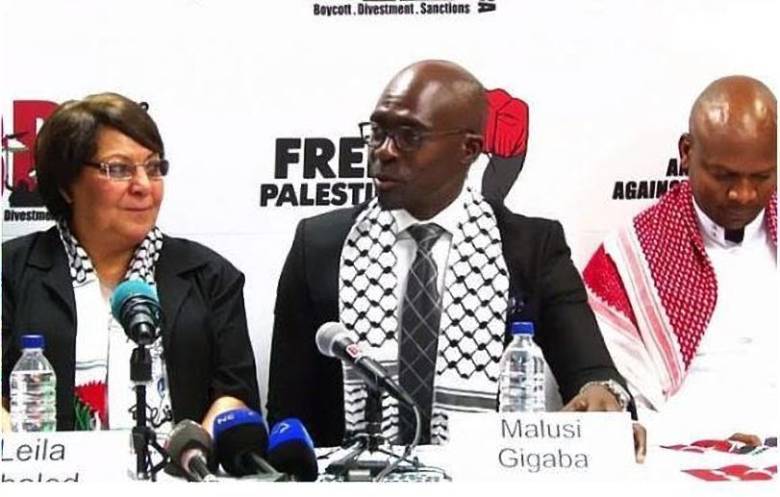
Rather than prompt a flurry of media activity by outlets both reporting the decision and speculating on whether other countries could soon follow suit, the move appeared to amount to an anticlimactic event as far as international (and domestic) interest is concerned.
Instead, it came across as a failed PR stunt by hypocritical politicians in South Africa, who would prefer grinding their anti-Israel axes than addressing more pressing concerns at home, or its support for Russia as it wages a brutal war of aggression in Ukraine.
Criticizing the resolution, the South African Zionist Federation (SAZF) noted that while the ANC government “obsesses over Israel, it is also hosting navy drills with Russia, which is responsible for terrible war crimes and the deaths of thousands of innocent Ukrainian civilians over the past year.”
Rowan Polovin, national chairman of the SAZF, also commented on how little coverage in South Africa the decision generated: “There has been surprisingly little local coverage of the issue in the print and digital media. A handful of articles which mostly published parts of our statement. Some radio and TV coverage, a bit of hostility but nothing too dramatic.”
Additionally, a spokesperson for the South African Jewish Board of Deputies pointed out that where the issue has received some media coverage, the reportage has been based on press releases giving both sides of the argument.
South Africa’s confirmation of its 2019 move to downgrade diplomatic ties with Israel is disappointing. However, it is heartening to see how little impact it is having for now in the international arena.
(full article online)
The resolution did not have the desired effect for those who wish to demonize and ostracize the world’s only Jewish state.

unitedwithisrael.org

 It is too complicated for you.