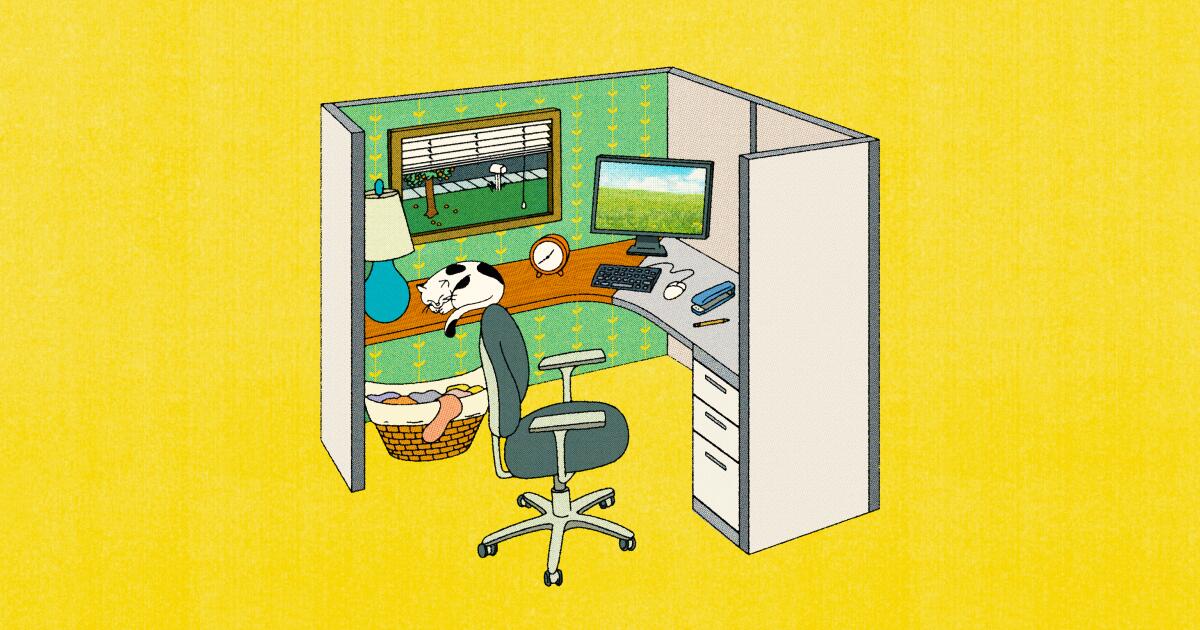
New research seems to support the idea that working from home leads to less productivity. But are employers measuring remote work results by the right metrics?

www.latimes.com
Fully remote employees 10% to 20% less productive.
A working paper reveals a 10%-20% drop in productivity among remote workers, fueling debate on work models. Leaders must innovate to balance productivity and well-being.

www.forbes.com
Same statistic.
No it doesn't. They office buildings are still there, and they are having to pay to keep them heated and cooked, and maintained, but they are empty. It's a waste of money.
Good point. I've seen some numbers that suggest that the average person spends between 5k and 8k per year commuting back and forth to work. From gas to maintenance on their vehicle. Let's split the difference at $6500. Plus if you are working at home, that means you can get up and start work in your PJs, so you don't have to buy as many clothes, socks, underwear, shoes, less in laundry detergent,women can use less in makeup.
Then there is daycare costs, which can be as high as 10k per year , now that you are working from home, you won't have to pay that.
I'm sure there are other expenses that you save on, so, let's say, because you work from home, you save about..$18,000 per year. So, if you want to work from home, then they should lower your pay by 18k per year, since the average private sector worker will have to incur those expenses. If you are in remote work, that should be factored into your pay.