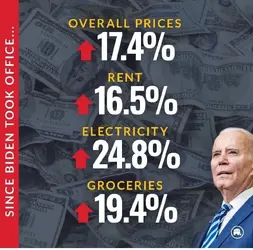
1. The Inflation Reduction Act may have added to it. But try as I might, I can't confirm how much (or enough) money was
actually spent and circulated when and where to exacerbate the inflation, and neither can you.
2. Biden evidently concentrated on the one thing he could, which was repairing crippled supply chains. They claimed they had successes. I don't know. This was a Fed problem once in fed on itself.
3. "Lazy". Since I know I'm wasting my time on a Trumpster, I'll just copy and paste a previous post on what happened. You'll notice it's not soaked in your silly partisan politics. You're welcome. Play with someone else now.
===
- All told, through 2020, about $11 TRILLION in stimulus is pumped into the economy in response to the 2009 Meltdown and resulting weaknesses
- Parenthetically, personally, I'd trace the origin of the Meltdown to the repeal of Glass Steagall (Clinton)
- The Fed purposely and aggressively keeps interest rates as low as possible, perhaps overly concerned about a return to the Meltdown
- We ALL go all those years waiting for all this stimulus to create MASSIVE inflation. EVERYONE knew what was eventually coming
- COVID hits and the economy falls into complete structural disarray and becomes wildly uneven across the sectors
- COVID subsides, many industries struggle to re-open and reorganize, having lost employees and having made big systemic changes
- Flush with cash, macroeconomic demand explodes globally coming out of the COVID lockdowns
- Supply chains, ill prepared and weakened after the lockdowns, immediately collapse worldwide, across virtually all industry (production/distribution) strata, clogging economic arteries, essentially creating a global economic heart attack
- As a result, the global supply/demand balance fails, inflation flares, and it rapidly compounds on itself with supply chains still paralyzed
- The Fed waits FAR too long (maybe 8 to 10 months) to gradually (or not so gradually) control the inflation with higher rates
- Far behind the curve, the Fed starts increasing rates quickly and the profound strain on the banking system (particularly regional) begins
- The resulting broad-based increased interest rates damn near put a boot on the throat of the economy, but the economy continues to grow through the inflation
- Global supply chains are finally largely repaired and functioning across the board, which was the other primary issue distorting markets
- Today, inflation has decreased, but there are a few signs of weakness/danger, so the "soft landing" theory is being tested
It was inevitable. And your agreement with the above is not required.