We have to decide which kind of capitalism we want- plutocratic capitalism where all the money is concentrated in the hands of 1% of the population, leaving the rest in debt or poverty, or democratic capitalism, where economic growth is created by as much of the population as possible
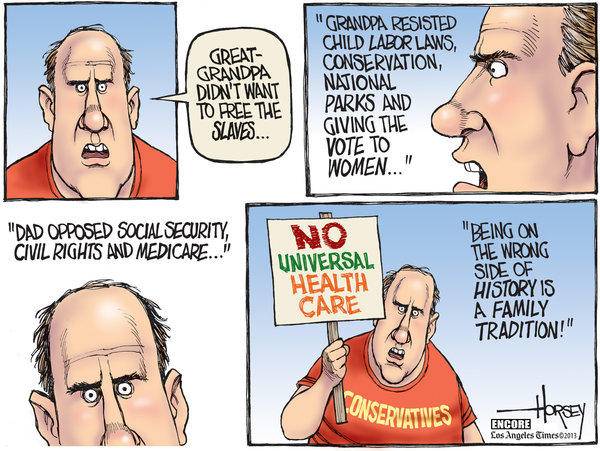
The conservatives have favored plutocratic capitalism, the belief in supply side economics, that the rich are the job creators but those jobs have to pay the smallest wages possible with no benefits in order to increase profits at the top end, that they should receive favorable treatment like low taxation and little oversight and regulation
Liberals favor democratic capitalism, where the profits are created by a consumer middle class who are paid wages that are sufficient, that the wealth of capitalism is spread and passed from hand to hand, that a welfare state is created for the working force so when there is an economic downturn or a personal disaster or emergency that member of the workforce is not expendable and their families will survive, and in their elder years they will have a pension and healthcare, aliviating that burden on their younger family members in the work force
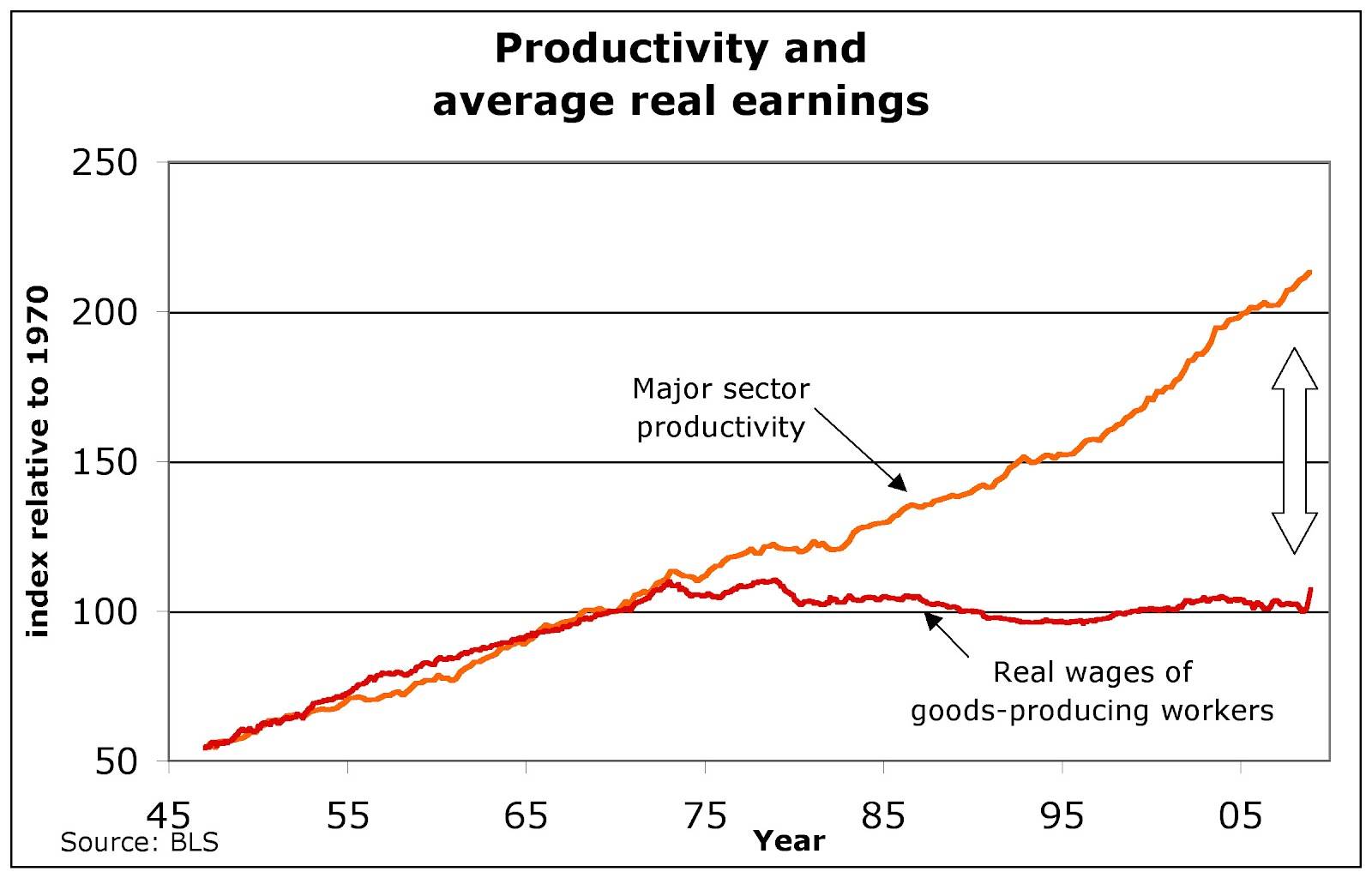
In the last thirty years the conservative view came back into vogue and the results have been a huge jump in the wealth of a few with the deterioration of the middle class
Republican reasoning: Bush tax cuts created jobs through trickle down economics, but raising the minimum wage will surely destroy the economy. You can't make this stuff up.
STUDY: These Charts Show There's Almost No Correlation Between Tax Rates and GDP
These Charts Show There s Probably No Correlation Between Tax Rates and GDP - Business Insider
Capital Gains Tax Rates and Economic Growth (or not)
If you read the editorial page of the Wall Street Journal (or surf around the nether regions of Forbes.com), you may come to the conclusion that no aspect of tax policy is more important for economic growth than the way we tax capital gains. You’d be wrong
Capital Gains Tax Rates and Economic Growth or not - Forbes
CBO finds that, between 1979 and 2007, income grew by:
275 percent for the top 1 percent of households,
65 percent for the next 19 percent,
Just under 40 percent for the next 60 percent, and
18 percent for the bottom 20 percent.
The share of income going to higher-income households rose, while the share going to lower-income households fell.
The top fifth of the population saw a 10-percentage-point increase in their share of after-tax income.
Most of that growth went to the top 1 percent of the population.
All other groups saw their shares decline by 2 to 3 percentage points.
Trends in the Distribution of Household Income Between 1979 and 2007 Congressional Budget Office