One thing is incredibly obvious in this thread, that people are apparently blissfully unaware of the history of water in California. They do not even have the amount of information that could be gained from watching the classic 1974 Jack Nicholson film "Chinatown". Which was a fictional take on the California Water Wars of the early 20th century.
LA has been "stealing" water from other areas for over a century.
I lived in and around this water system for decades. At one time even working at the main facility for receiving and purifying water coming in from the aqueducts for the city of LA itself. And until just a few years ago living less than a mile from the second largest reservoir in the system sending water to LA.
Now the history of aqueducts in California goes back over a century, from the Los Angeles Aqueduct in 1908, the Colorado River Aqueduct in 1933, and the California Aqueduct in 1963 (years on date construction started). And those three aqueducts into the early 1980s were sufficient to not only supply the city with more than enough water, but to also support agriculture as well as maintain sufficient water in the watersheds so as to not drain them.
But by the end of the 1980s, that showed there was simply not enough water. Water restrictions started to be put in place, agriculture was curtailed, and watersheds started decreasing. And now decades later the population and demands have only increased, and there is just not enough water left.
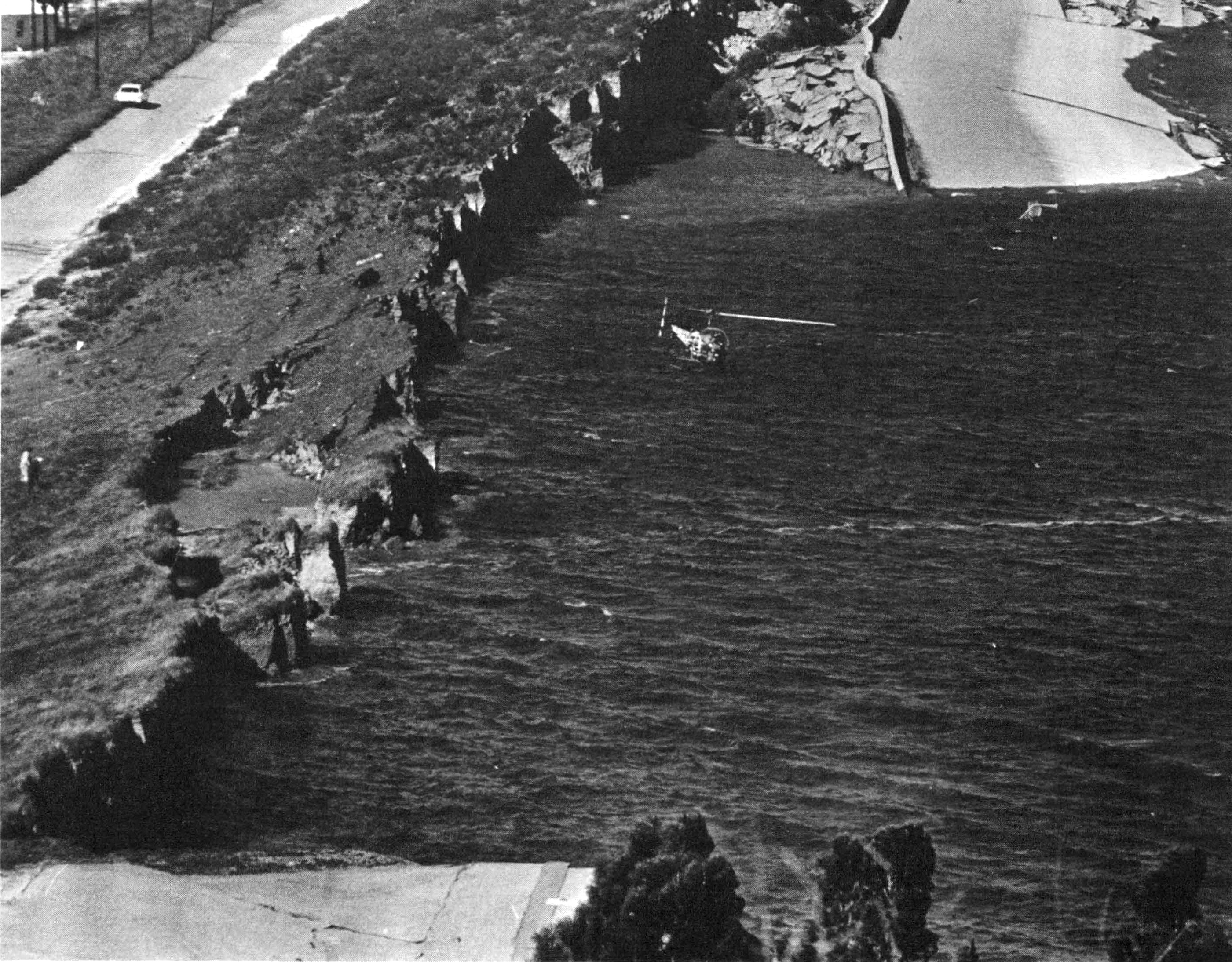
If people are interested, I can suggest a lot of good documentaries about the Water Wars and the infrastructure that exists to move this water around. Even the low points of the project, like the collapse of the San Francisquito Dam in 1928 which killed over 430 people, and the almost collapse of the 1971 Lower Van Norman Dam which caused me and my family to be on a 30 minute evacuation notice as we were literally in the flood path if it had failed.
In short, there is simply not enough water available to supply that large of a population. Period. Even in the wettest of winters like in 2017 when the Oroville Dam overtopped because of too much water the state was still in their perpetual state of drought. When every reservoir in the state was at and over maximum capacity and there was still not enough water, that shows you have a consumption problem, not a supply problem.

www.drought.gov