And the standing precedent for the ability of the Senate pro-tem is the impeachment of
Vice President Thomas Jefferson presided at the impeachment trial of Sen. William Blount in 1799
Founders Online: Notes on William Blount’s Impeachment Trial, 5 January 1799
Leahy added: "I'm not presenting the evidence. I am making sure that procedures are followed. I don't think there's any senator who over the 40-plus years I've been here that would say that I am anything but impartial in voting on procedure."
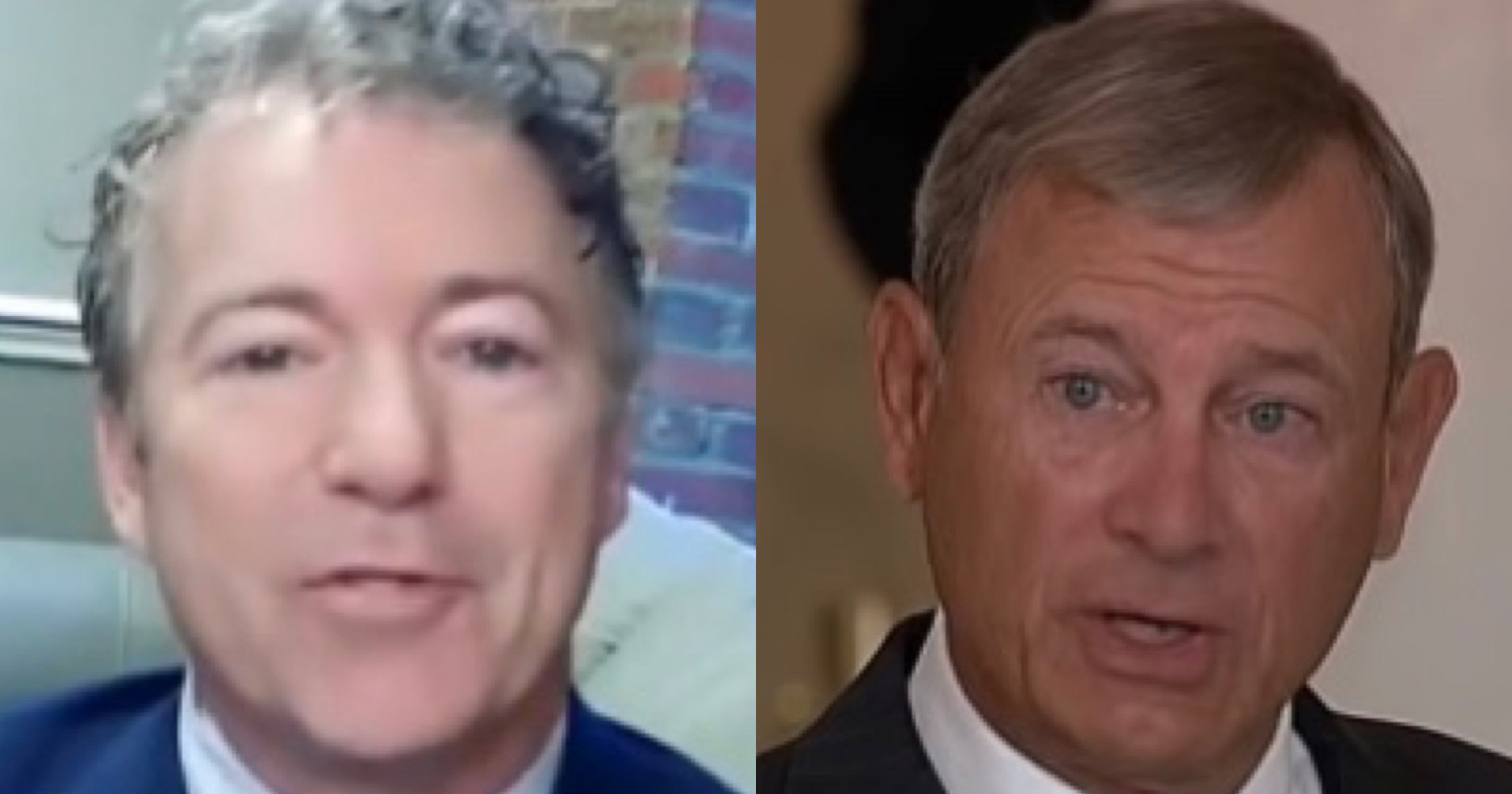
Chief Justice John Roberts presided over Trump's first impeachment trial, but now that he is a former president, Roberts is not constitutionally obligated to preside.
The Constitution says, "When the President of the United States is tried, the Chief Justice shall preside." And Roberts did that when Trump was tried last year. This time, however, the chief justice let it be known he did not want to preside now that Trump is no longer president. On Monday, a Supreme Court spokeswoman said the chief justice would have no comment.
Chief Justice John Roberts will not take on the role for the trial that begins the week of Feb. 8, a source says. A chief justice presides only when a sitting president is on trial.

www.npr.org

 mediarightnews.com


