What part of AI is not a source do you not understand? AI lies which is why it cannot be trusted.
Especially when iy=t proves you wrong
Yes, Israeli intelligence consistently concluded that Iran never abandoned its uranium enrichment activities. Assessments by agencies like the
Mossad and the
IDF pointed to continuous, covert development, differing sharply at times from broader international estimates. [
1,
2,
3,
4,
5]
Key Intelligence Findings
- Secret Acceleration: Israeli officials reported a surge in secret weaponization activity following the escalation of regional conflicts, specifically noting efforts to enrich and prepare material for potential warhead integration. [1, 2]
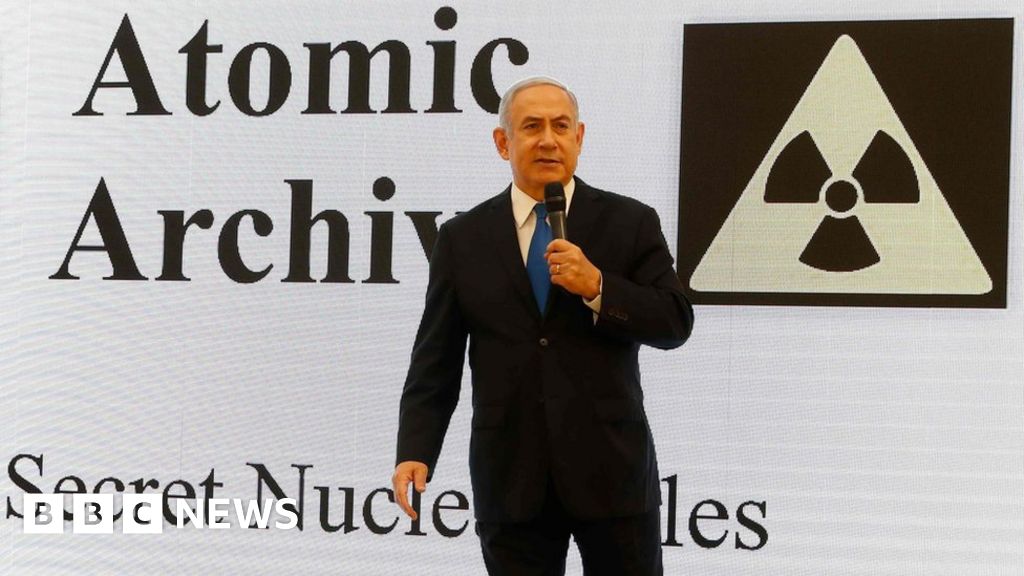
- The Archive Raid: A foundational pillar of this stance was Israel’s seizure of a massive Iranian nuclear archive in Tehran. BBC News detailed how Prime Minister Benjamin Netanyahu presented these files as proof that Iran maintained a hidden, ongoing nuclear program despite international agreements. [1, 2]
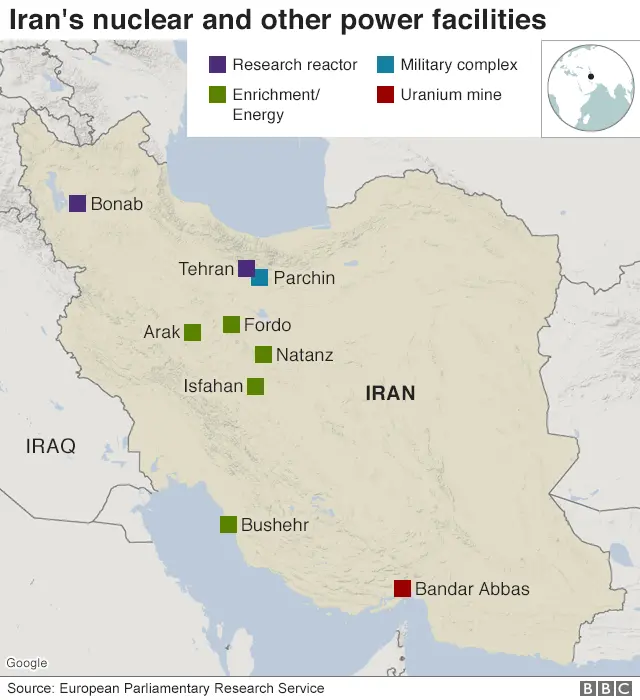
- Stockpile Survival: Following joint US-Israeli strikes, a senior official told Reuters that hundreds of kilograms of 60% enriched uranium remained buried and accessible in fortified bunkers like Fordo and Natanz. [1, 2]
Divergence from US & International Assessments
- The Breakout Gap: Historically, US intelligence assessments (such as those from the Director of National Intelligence) periodically evaluated that Iran was not actively pursuing a deliverable weapon. [1]
- The Israeli Position: Conversely, The New York Times reported that Israeli intelligence tracked a fast-tracked race to build a bomb, motivating pre-emptive strikes even without explicit American alignment. [1]
- IAEA Tracking: The International Atomic Energy Agency continuously monitored the expansion of near-bomb-grade stockpiles, with the Institute for Science and International Security tracking the rapid doubling of advanced enriched inventories. [1, 2]
The US secretary of state says documents presented by Israel show Iran "hid a vast atomic archive".

www.bbc.com
US Secretary of State Mike Pompeo says a landmark nuclear deal with Iran was "built on lies", after Israel claimed to have proof of a secret Iranian nuclear weapons programme.
Mr Pompeo said documents revealed by Israel's prime minister were authentic.
Analysts say they show nothing new, highlighting that concerns over Iran's nuclear ambitions led to the 2015 deal.
US President Donald Trump, who opposes the accord, has until 12 May to decide whether to abandon it or not.
Other Western powers, including signatories Britain and France, say Iran has been abiding by the deal and it should be kept.
What is Iran accused of?
Israeli Prime Minister Benjamin Netanyahu on Monday accused Iran of conducting a secret nuclear weapons programme, dubbed Project Amad, and said it had continued to pursue nuclear weapons knowledge after the project was shuttered in 2003.
That followed the revelation in 2002 by an exiled Iranian opposition group that Iran was constructing secret nuclear sites in breach of the nuclear Non-Proliferation Treaty, of which Iran was a signatory.
Mr Netanyahu presented what he said was evidence of thousands of "secret nuclear files" that showed Iran had lied about its nuclear ambitions before the deal was signed in 2015.
Tension between the long-standing enemies has grown steadily since Iran built up its military presence in Syria, which lies to the north-east of Israel.
Iran has always denied seeking nuclear weapons, and agreed three years ago to curb its nuclear energy programme in return for the lifting of sanctions.
The Israeli prime minister did not provide evidence that Iran had violated the accord since it went into effect in early 2016. But he insisted that Project Amad had continued at the Iranian defence ministry - citing the head of the programme as saying: "Special activities will be carried out under the title of scientific know-how developments."
Mr Netanyahu said he had shared the files with the US, and they would be submitted to the International Atomic Energy Agency (IAEA), which has been tasked with investigating Iran's nuclear past.
What does the US say?
The new secretary of state said the documents were proof "beyond any doubt" that "the Iranian regime was not telling the truth".