Poll : Do the Jews hold a valid claim on Greater Israel? Or the 1947 borders? Or any of the other borders arranged in different years?

Do the Jews hold a valid claim on Greater Israel? Or any of the other borders arranged in diff. yrs?


  • Total voters
    13
... because you don't pay attention much?
I’ve belonged to three synagogues and have met hundreds of Jews, attended services for 60+ years, went to Sunday School and Hebrew School for 10 years, and have listened to probbably 500+ sermons.

Nobody ever said that.
 
I’ve belonged to three synagogues and have met hundreds of Jews, attended services for 60+ years, went to Sunday School and Hebrew School for 10 years, and have listened to probbably 500+ sermons.

Nobody ever said that.
Then you have not paid attention.

And your validation is need for not a thing.
 
no, because it isn't something Jews say. It is a concept built into our identity, but it isn't a phrase that finds itself in frequent use by Jews


Thank you. Never heard a Jew say it.

That poster is just another antisemite. They’re crawling over this place like cockroaches.

(I think more highly of actual cockroaches.)
 
for all you wannabee Jews, from a guy whose great grandfather was a Jew.

✡️ Do Jews ever say they “struggle with God”?​

Yes — but not in the casual, off‑hand way people sometimes imagine. The idea of struggling with God is a deeply rooted biblical and theological theme, not a slang expression.

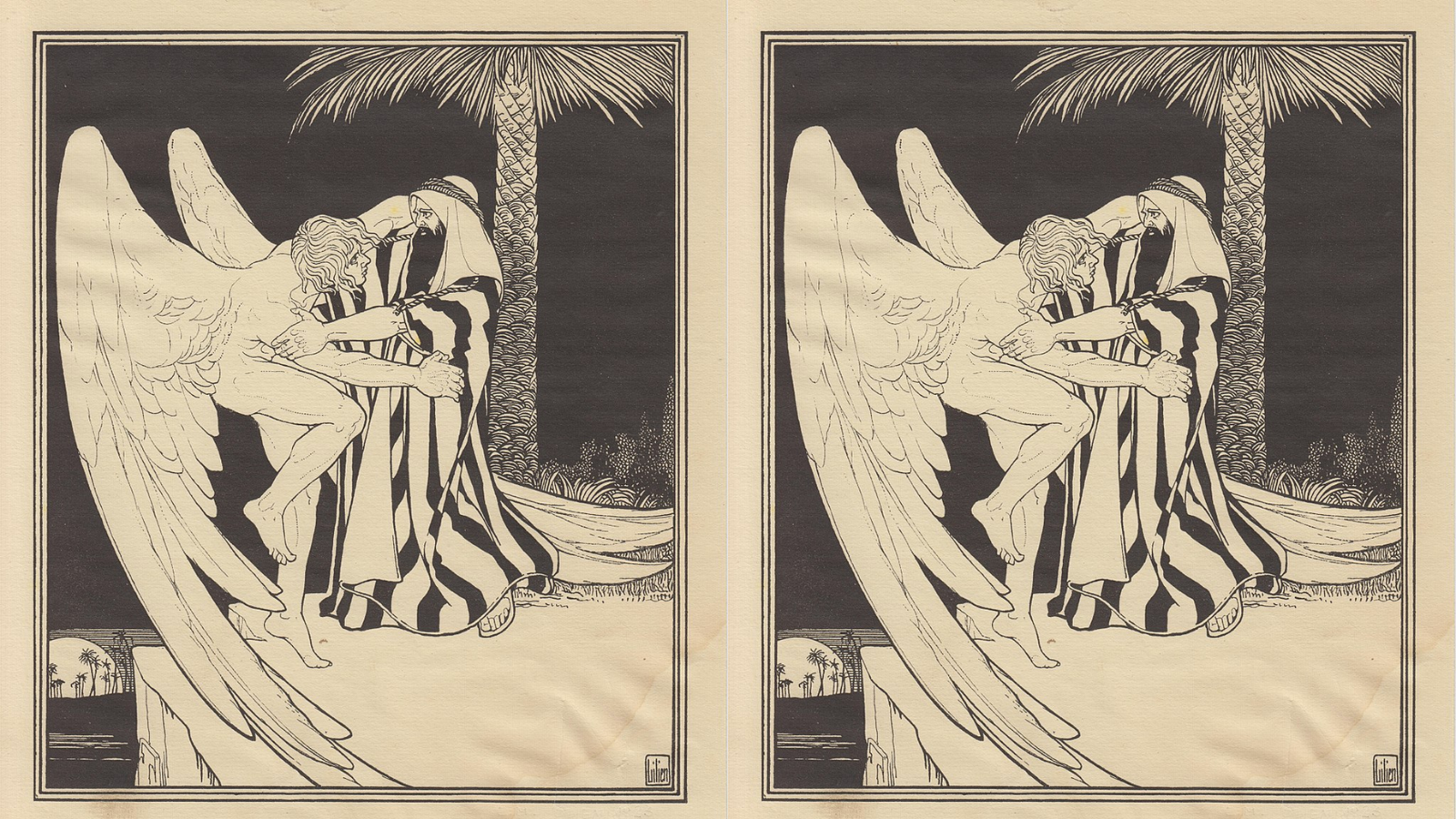
🌙 1. The phrase comes from the story of Jacob​

In Genesis 32, Jacob wrestles with a mysterious divine being. After the struggle, he receives a new name:

  • Yisra’el (Israel) — commonly interpreted as “one who struggles with God” or “God contends.”
This is the origin of both the name Israel and the idea of wrestling with the divine.

🕍 2. How Jews use the idea today​

Jews don’t typically say, “I’m struggling with God” as a formulaic phrase.But the concept is very much alive:

  • In sermons and Torah study
  • In discussions about suffering, ethics, or divine justice
  • In personal reflection or prayer
  • In the long tradition of arguing with God (e.g., Abraham, Moses, Job)
Judaism often encourages questioning, debate, and even protest directed toward God. It’s part of the tradition’s intellectual and spiritual honesty.

📘 3. Examples of how it might be expressed​

A Jewish person might say things like:

  • “I’m wrestling with this part of the Torah.”
  • “I’m struggling with what God wants from me.”
  • “I’m arguing with God about this.”
But these are contextual, not ritualized phrases.

🧭 4. Why this matters​

Judaism is unusual among world religions in that arguing with God is not seen as disrespectful
 
but not in the casual, off‑hand way people sometimes imagine. The idea of struggling with God is a deeply rooted biblical and theological theme, not a slang expression.
so, first off, what you posted corroborates what we have said -- that while this is a concept which is part of Judaism, it isn't a phrase people say.

Second, why call someone a "wannabe Jew"? Are you asserting that I am not Jewish? What particular insight do you have about my life that makes you think this?

and "someone whose great grandfather was a Jew"? Really? Does that confer any authority? No, no it doesn't.
 
so, first off, what you posted corroborates what we have said -- that while this is a concept which is part of Judaism, it isn't a phrase people say.

Second, why call someone a "wannabe Jew"? Are you asserting that I am not Jewish? What particular insight do you have about my life that makes you think this?

and "someone whose great grandfather was a Jew"? Really? Does that confer any authority? No, no it doesn't.

quit being a karen. it is a part of Judaism, and you have no idea whether it is said or not. Go talk to your Rabbi.
 
quit being a karen. it is a part of Judaism, and you have no idea whether it is said or not. Go talk to your Rabbi.
I am the rabbi. You might want to rethink your position on this.
 
Back
Top Bottom