Paul Krugman won the Nobel Prize for Economics in 2008. He teaches economics at Princeton and writes a column for The New York Times. I am confident that he could wipe the floor with any right wing economist. Keep in mind that right wing economists like Arthur Laffer and Milton Friedman promoted the scam of supply side economics.
The countries that have responded best to the Great Recession are the Scandinavian countries, Germany, Canada, Australia, and New Zealand. They have higher taxes than the United States and single payer health plans.
Tax Tea Party Time? - Forbes
Krugman would win a debate with a right winger? Really? Ok, explain this basic irrational thought by him. If you raise income taxes, then consumers have fewer dollars to spend and that slows down business. If you raise corporate taxes, that reduces profits and slows down hiring. Yet that's what Krugman advocates to speed up the economy thru more government spending which will raise taxes. Care to explain that irrational position???
That is not irrational at all. Raising income taxes reduces disposable income, which, if you understand the multiplier effect, ultimately decreases real investment spending. Raising corporate taxes decreases real and financial business investment capital (aka profits), which rationally perpetuates businesses to decrease real wages, or, more practically, discourage hiring and encourage layoffs. Increased government spending, however, increases consumption and real investment spending, thereby increasing aggregate demand, decreasing unemployment, and increasing real GDP. Increased government spending does not require raising taxes, especially since raising taxes is a discretionary fiscal policy, and is therefore an
ad hoc policy. Paul Krugman believes in increasing tax rates on the wealthy primarily as a means of ensuring public finance equity, but also because he empirically understands that the wealthy have a higher marginal propensity to save, and a lower marginal propensity to consume, meaning they contribute less to the success of an economic recovery that people in the middle or lower classes. I disagree with Krugman's approach on objective grounds, arguing that moral desires, such as equity, should not trump adherence to proper and completely effective fiscal stabilization policy.


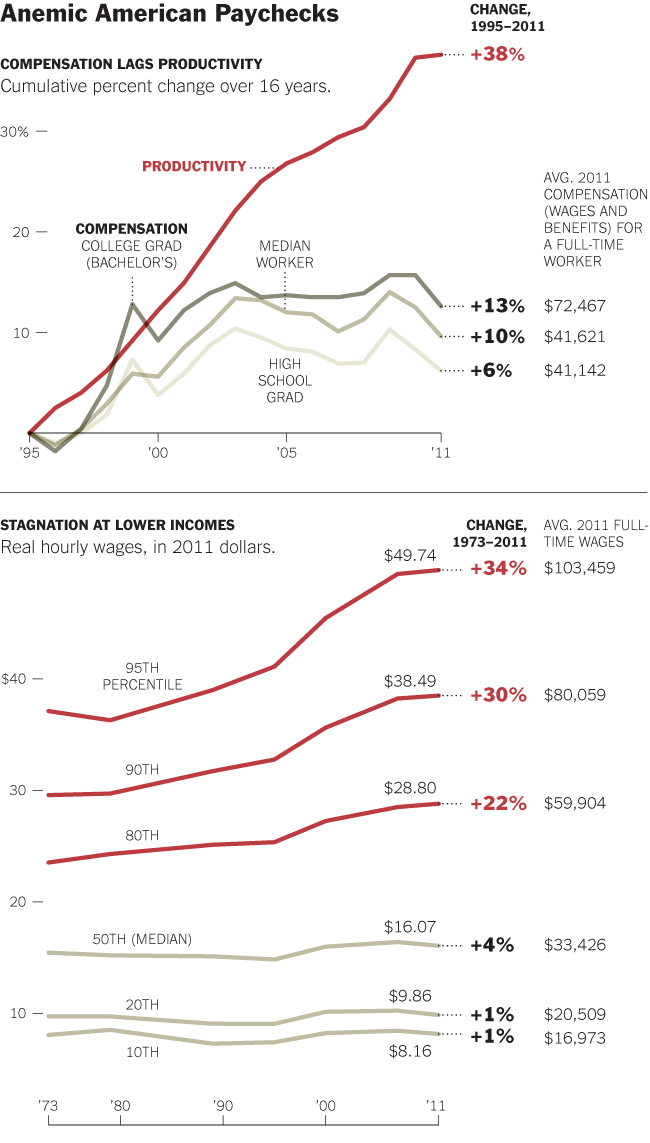


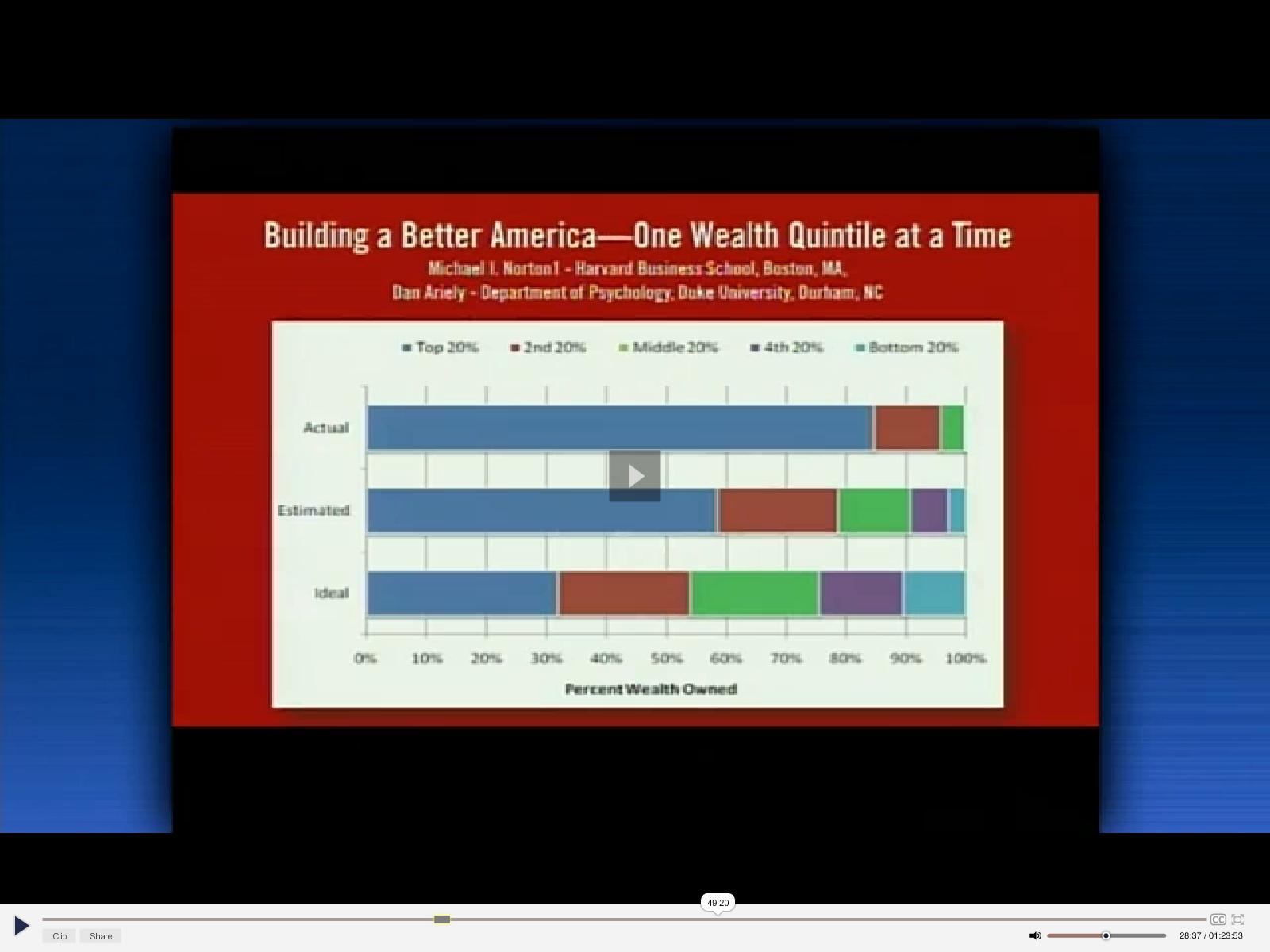

 Librals won this one.


