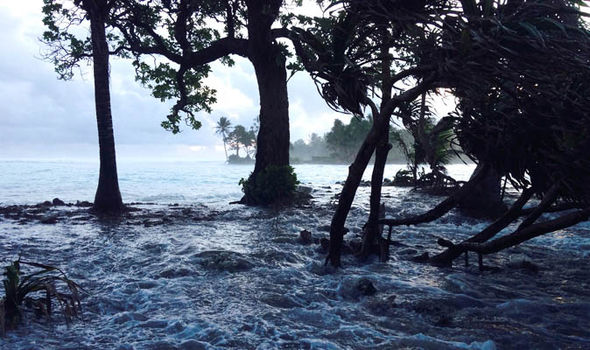
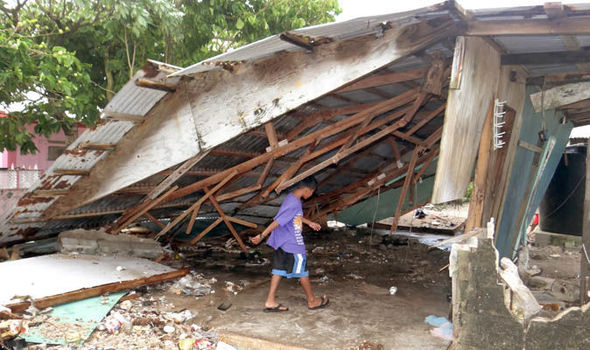
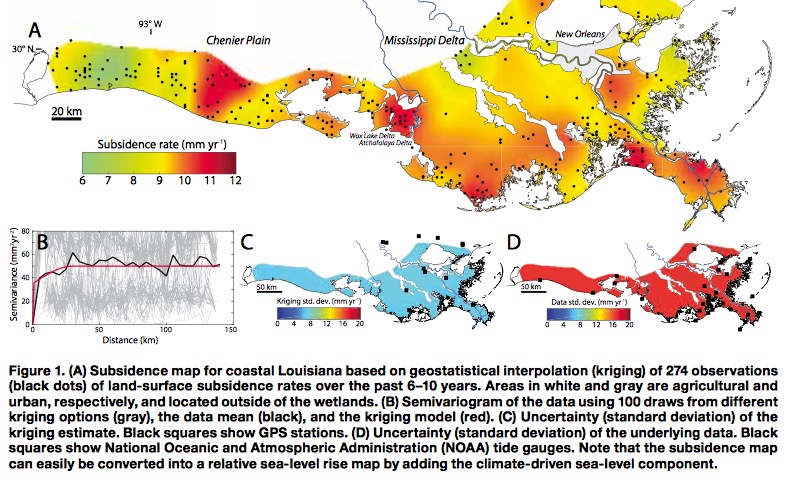
People are moving away from the parish, about 97km southwest of New Orleans, faced with growing flood risks and unable to pay for insurance, which can reach thousands of dollars and is required by mortgage banks in high-risk areas. Since Hurricane Katrina hit in 2005, nearly 10 percent of Lafourche’s population has left its southernmost end that is flood-prone and vulnerable to storm surges. Attrition due to soaring insurance premiums is visible from the proliferation of “For Sale” signs on houses and boats, said Gary LaFleur, a biologist and faculty member at the Center for Bayou Studies at Nicholls State University in Thibodaux. “No government is coming in and kicking people out, but all of a sudden the insurance rates are going up so high that it’s like a slow economic way of leading to a ghost town,” he told reporters. “Within 50 years the town is gone.”
Lafourche has been home for centuries to Cajuns who are descended from French-speaking settlers expelled in the 18th century from what is now Canada. Cajun culture is renowned for its spicy cuisine and lively traditional music. “It’s a lifestyle, people, language — just the way you were brought up by your parents and grandparents,” St Pierre said. Traditions such as the blessing of the fleets in the bayous — once an annual ceremony for shrimpers and others — are dimming as the ranks of family-owned fishing boats dwindle, he said. “When you see one shrimp boat and it’s followed by five party boats, you think, aww, this isn’t as cool as it used to be,” he said.
St Pierre, known as Ms Louise, sells her miniature Cajun paintings to customers at craft shows. “They can send them to their nephew in New York and say, ‘Hey, that is a part of our culture. Don’t forget,’” she said. St Pierre, 65, learned French from her grandparents and meets each Tuesday night with fellow francophones, whose numbers are falling. Fewer than 14,000 people in Lafourche are native French speakers, according to the latest census figures, down from some 16,000 a decade earlier. St Pierre also cooks a mean Cajun meal. “I can make you gumbo and jambalaya, and do your etouffees and of course boiled shrimp and crawfish, fried oysters,” she said. “And I love alligator tails.”
However, oyster beds were hit hard by the massive BP oil spill in 2010, crabs are under pressure from wetland loss and cheap foreign imports have depressed local seafood prices. Added to that, saltwater intrusion from the Gulf of Mexico is killing vegetation where rabbit, deer and other Cajun delicacies used to thrive, she said. Towns such as Leeville, once a vibrant fishing center, are under threat. The main artery was elevated to a causeway to avoid rising water, so the road that went through downtown now goes overhead, LaFleur said. “Leeville didn’t get washed away, but because they had to raise the road, now people just don’t go to Leeville anymore,” he said. “That’s kind of killing that community right there.”
Locals also worry about a loss of federal funding to protect the coast, advocated by US President Donald Trump’s administration. Under the 2006 Gulf of Mexico Energy Security Act (GOMESA), four states, including Louisiana, get nearly 40 percent of federal oil revenue from drilling off their coasts. Louisiana officials have said the state could see as much as US$140 million of GOMESA money for coastal restoration in a year. However, Trump’s proposed budget would divert that cash to the US Treasury. Former US PResident Barack Obama’s administration also sought to divert GOMESA funding but was blocked by US Congress. “If we don’t get that money this year, you can just kiss everything goodbye,” St Pierre said.
Source