historycisalpin
VIP Member
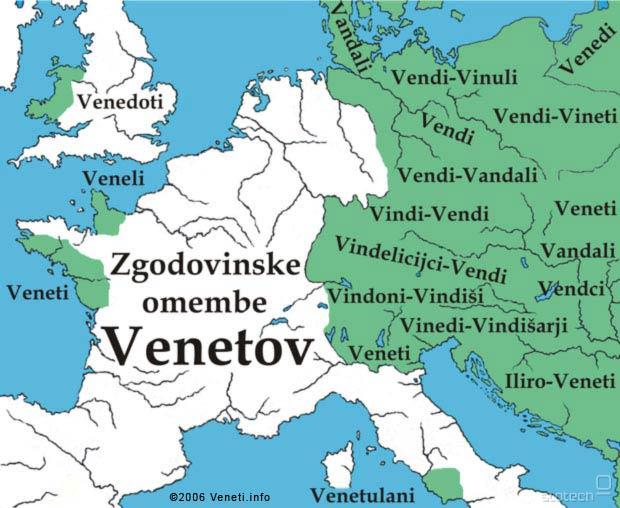
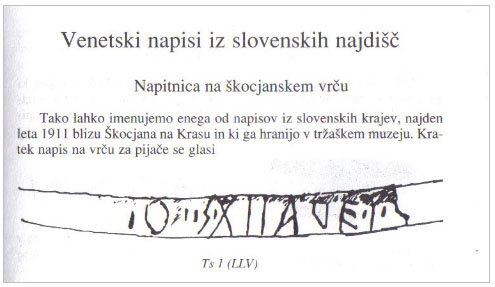
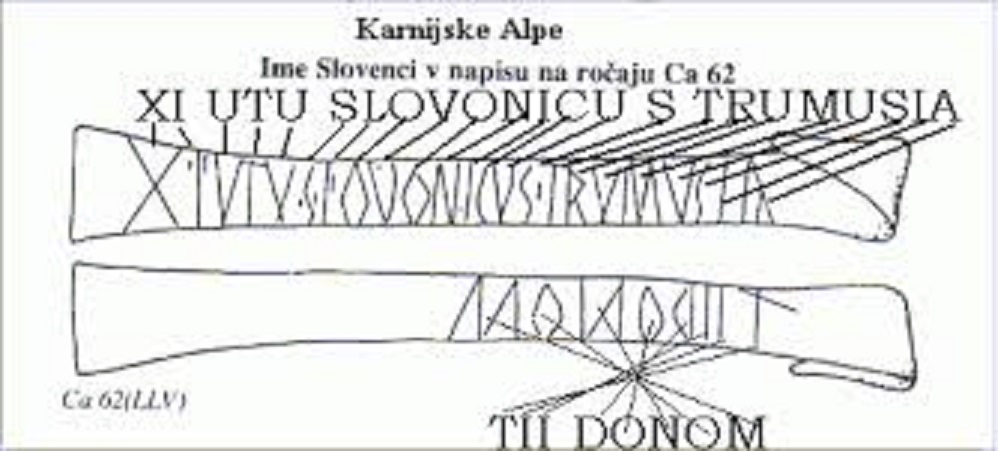
These etymological comparisons could reveal a set of proto-slave populations gathered from the same origin.
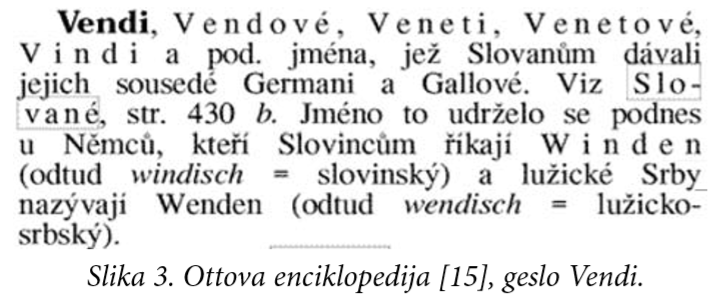
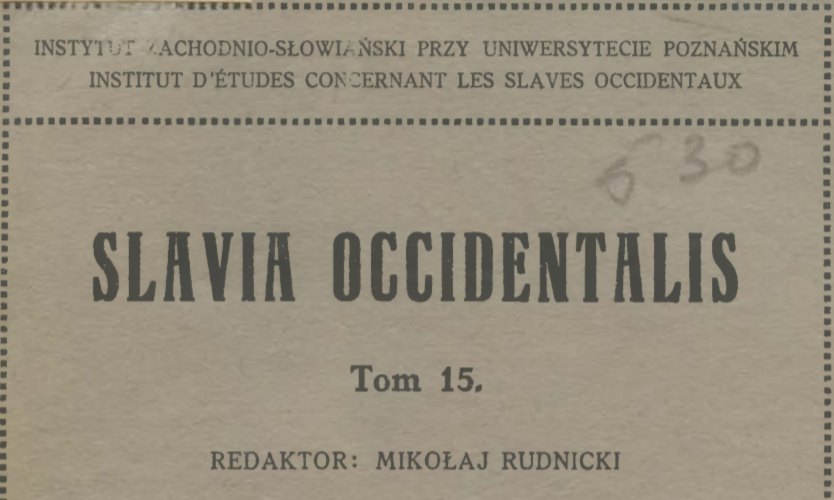
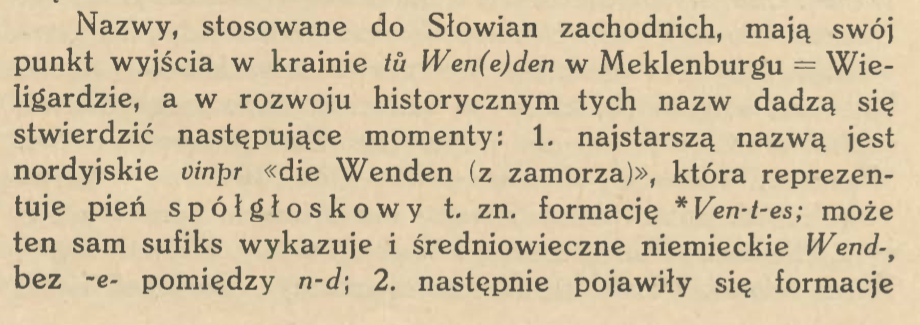
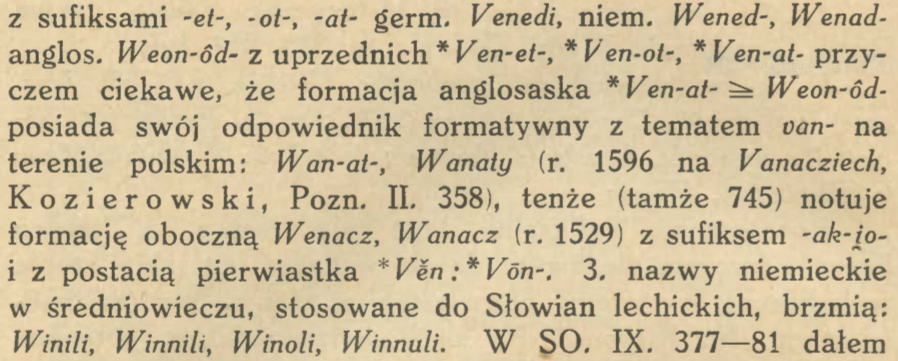
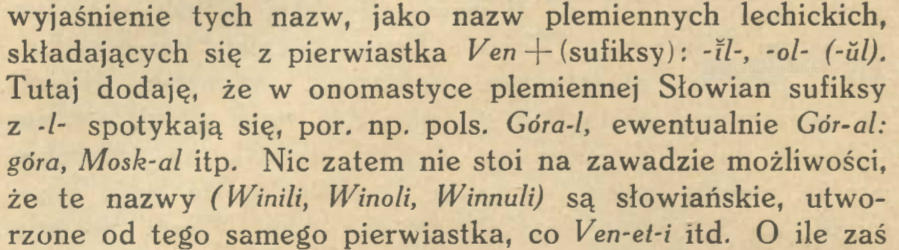
Translated from Polish, however reliable the universal translator is:
"The names used for the Western Slavs have their starting point in the land of Wen (e) den in Mecklenburg = Wiegligard, and the following moments can be found in the historical development of these names: \ ĕ the oldest name is the Nordic vinpr "die W enden (from zamorza)», which represents the Polish stem, or * Ven-t-es formation; perhaps the same suffix shows and medieval German Wend-f without -e- between n-d \ 2. then the formations with the suffixes -et-, -ot-, -at- germ appeared. Venedi, German Wened-, Wenad- Anglo Weon-ôd- from the preceding * Ven-et-, * Ven-ot-, * Ven-at- while interesting, that the Anglo-Saxon formation * Ven-at- ^ Weon-ôd- ha his training counterpart with the theme of üanna in Poland: Wan-at-, Wanaty (1596 on Vanacziech, K ozierowski, Poznań II.358), the same (ibid. 745) notes the collateral formation Wenacz, anVanacz (1529) with the suffix -ak-io- and the form of the element * Věn: * Vōn-, 3. The German names in the Middle Ages, used for the sechiti sechici, are: Winili, Winnili, Winola, Winnuli.
IN SO. IX. 377-81 I have given the explanation of these names as Lechic tribal names, consisting of the element Ven -j- (suffixes): -fl-, -ol- (-iii). I would add here that in Slavic tribal name day, the suffixes with z - / - meet, see e.g. Góra-l, or Gór-al: mountain, Mosk-al, etc. Nothing hinders the possibility that these names (Winili, Winoli, Winnuli) are Slavic, formed from the same root as Ven-et-i etc. "
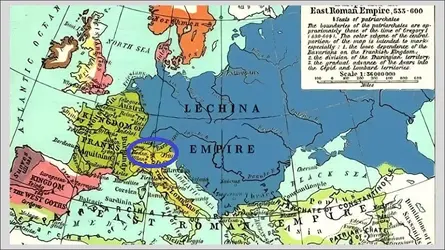
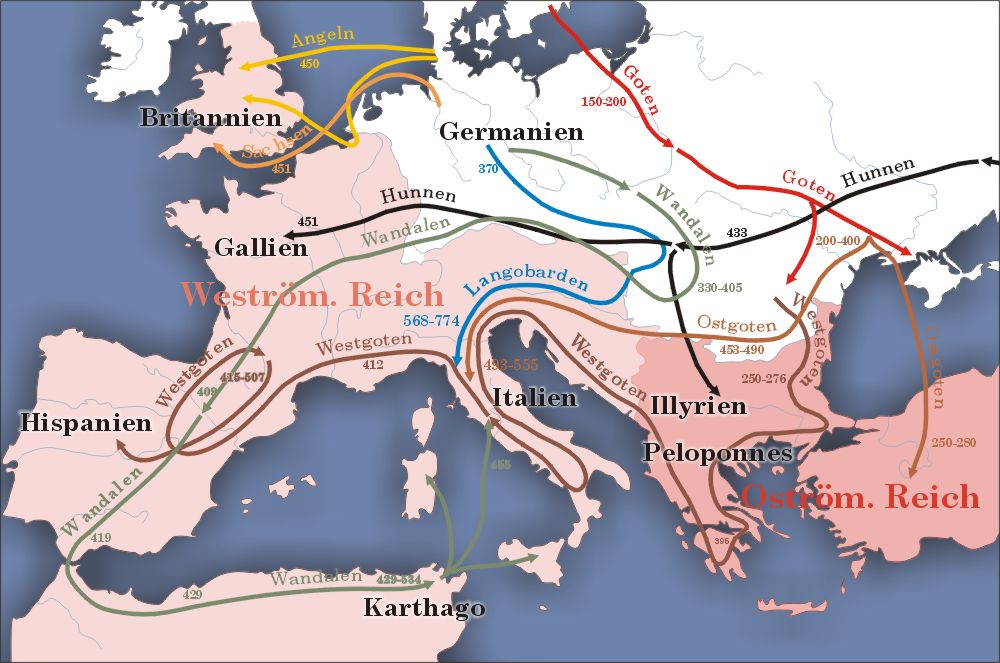
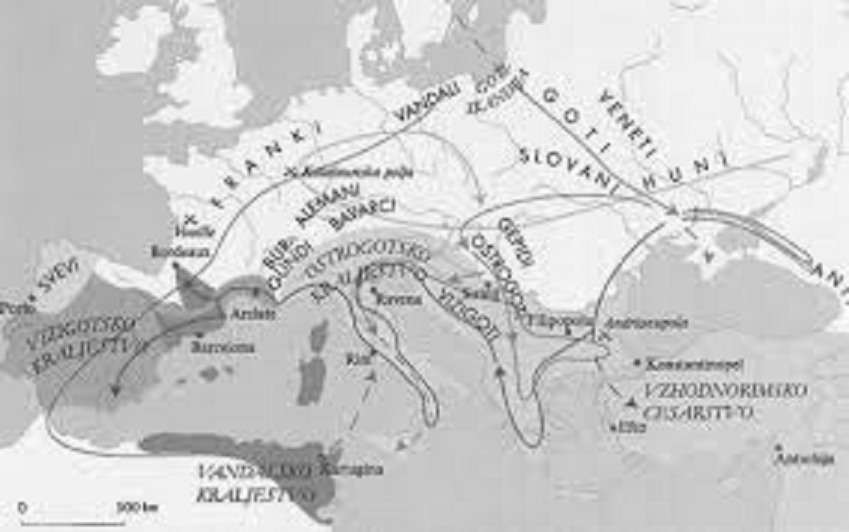
It should not be forgotten that the Lombards were originally called Winnili, as Paolo Diacono states in his history of the Lombards.
 www.jassa.org
Translated from Polish, however reliable the universal translator is:
"The names used for the Western Slavs have their starting point in the land of Wen (e) den in Mecklenburg = Wiegligard, and the following moments can be found in the historical development of these names: \ ĕ the oldest name is the Nordic vinpr "die W enden (from zamorza)», which represents the Polish stem, or * Ven-t-es formation; perhaps the same suffix shows and medieval German Wend-f without -e- between n-d \ 2. then the formations with the suffixes -et-, -ot-, -at- germ appeared. Venedi, German Wened-, Wenad- Anglo Weon-ôd- from the preceding * Ven-et-, * Ven-ot-, * Ven-at- while interesting, that the Anglo-Saxon formation * Ven-at- ^ Weon-ôd- ha his training counterpart with the theme of üanna in Poland: Wan-at-, Wanaty (1596 on Vanacziech, K ozierowski, Poznań II.358), the same (ibid. 745) notes the collateral formation Wenacz, anVanacz (1529) with the suffix -ak-io- and the form of the element * Věn: * Vōn-, 3. The German names in the Middle Ages, used for the sechiti sechici, are: Winili, Winnili, Winola, Winnuli.
IN SO. IX. 377-81 I have given the explanation of these names as Lechic tribal names, consisting of the element Ven -j- (suffixes): -fl-, -ol- (-iii). I would add here that in Slavic tribal name day, the suffixes with z - / - meet, see e.g. Góra-l, or Gór-al: mountain, Mosk-al, etc. Nothing hinders the possibility that these names (Winili, Winoli, Winnuli) are Slavic, formed from the same root as Ven-et-i etc. "
It should not be forgotten that the Lombards were originally called Winnili, as Paolo Diacono states in his history of the Lombards.
Winnili and Venelli | In Nomine Jassa
www.jassa.org
Last edited: