But yet:
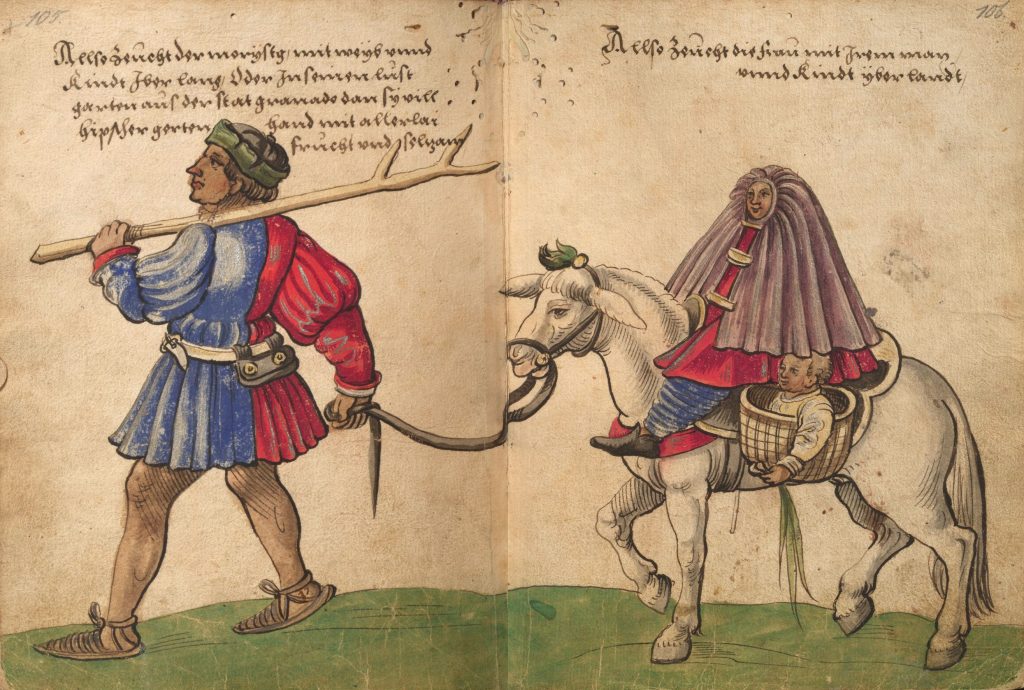
Those who boast their typically Bergamasco surname, with centuries of tradition behind them, might have a surprise. For charity, the Orobic curriculum will not be affected, but for a series of families from A to T - such as Alcaini, Astori, Bigoni, Bonzi, Ceroni, Donati, Donzelli, Fanzago, Grigis, Girardi, Gavazzi, Manzoni, up to the unsuspected Cattaneo, Locatelli, Pesenti, Personeni, Roncalli and Tiraboschi - the Moorish origin, that is an Afro-Muslim origin, with an Iberian filter, would not be excluded. The hypothesis puts it on the plate the essay Immigration of the Moorish populations in the Bergamo Valleys by Stefano Bombardieri, contained in the 15th issue of the Quaderni Brembani, bulletin of the Centro Storico Culturale Valle Brembana Felice Riceputi, which will be presented on Saturday 26 November, at 3 pm, at the Museum of the Zogno Valley.
Just a hypothesis. The arrival of the Moorish populations on our mountains could even date back to more than 1000 years ago, when they began to move from the south of Spain, from the Almeria region. But it is only a starting point, certainly not an incontrovertible thesis. In more recent history, among other things, the term moriscos (Moorish, in fact) has been used to indicate the Muslims of Spain who forcibly embraced the Christian religion between 1492, the year of the end of the Reconquista, and 1526. The name was moreover, it was used, with a derogatory connotation, also for their descendants, until the definitive expulsion of the Muslims, decreed in the five-year period 1609-1614. For Muslims who - in exchange for a tribute - had instead been allowed to live in the Christian territories preceding the Reconquista of the Iberian Peninsula, the Castilian word Mudejar was used instead. The conversion process was supported by the ecclesiastical authorities and, in particular, by the archbishop of Toledo Francisco Jiménez de Cisneros, regent of Spain who, starting from 1498, began a forced conversion of the Arabs, Berbers and Hispanics in general. Islamic faith of the Iberian Peninsula, present in those territories for over 800 years.
Lo ipotizza il saggio Immigrazione delle popolazioni moresche nelle Valli bergamasche di Stefano Bombardieri, nell'annuario del centro Felice Riceputi.

primabergamo.it
The story must be taken at 360 degrees and from different angles, otherwise it risks being mystified through romantic visions that are not entirely truthful.
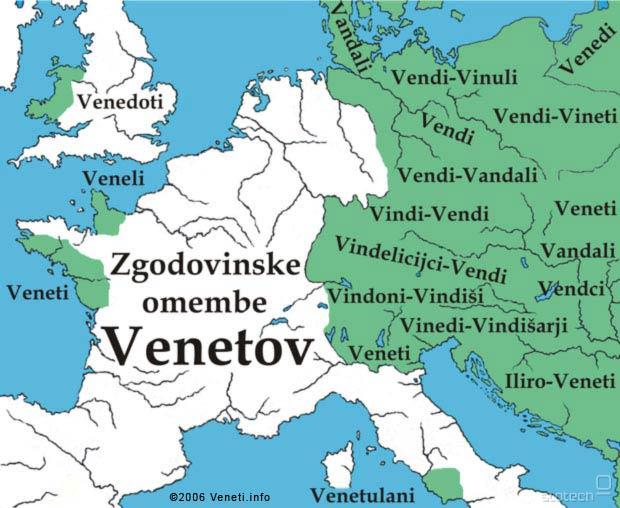
As I wrote to you in the previous post, in the Triveneto the Slavic sector is present both in surnames and in toponymy.