Signature verification is supposedly the cornerstone of mail in ballot security.
It is basically a joke in the first place for several reasons, the first if which is the simple fact that actual handwriting analysis takes years to learn and is normally done by people with degrees in the sciences in the first place.
Anyone that thinks a bunch if volunteers were adequately trained in time to allow for any real level of proficiency in this for this election and the massive expansion of this is nuts, making the supposed safeguard largely ineffective
Add to that that some security measures were actually removed in some states and we end up with the shit show we have.
Im not de facto opposed to mail in voting, but getting there is a process that takes years, not a snap reaction to a virus. We were not ready for this by any stretch of the imagination for this election.
In states that do all mail voting, the most important safeguard is not the signature check but getting the ballot in hands of the valid voter. The signature check works well to spot a forger who is forging a signature without having a sample of the signature to go by. This would occur if the ballot was delivered to the wrong address or the ballot was some how lost and a stranger found it and decided to cast that ballot not having a copy of the voters signature. These events are very rare and are certainly out weighted by the increase in voter turnout in all mail elections.
Interesting opinion, and proper delivery is certainly important, however, the signature of the voter on the ballot is their identification. It is what proves, or is supposedly what proves, that the intended voter submitted the ballot.
Signature verification is sufficient to identify the voter unless there is a skilled forger with a sample of the voter's signature and his ballot. In that case, verification will probably not catch the culprit. The state position is that it is very unlikely a ballot will be delivered to a skilled forger who has a sample of the voter's signature.
Signature verfication is one of several layers of security meant to safeguard a critical process.
Rolling some of those back, as was done for this election, is foolhardy. To your point of proper delivery, simply mailing ballots to all voters does not see to that requirement.
Expanding the scope in such a fashion as to outrun the ability to properly train volunteers to execute one of those safeguards is also foolish.
Mail voting can never be as secure as voting at the polls with strictly enforced voter identification and election regulations. However strictly enforced identification makes it much more difficult to vote, as does transportation to the polls, poll hours, parking, and waiting in line. All mail voting increases voter turnout by about 10%. In a state with 5 million registered voters all mail voting can increase turnout by as much half million votes. So it becomes a trade off between the possibly of more election fraud and a lot more people legally voting. If we can get hundreds of thousands more people voting at the sacrifice of possibly a few hundred additional cases of real voter fraud, I think it would be well worth it, particular when we consider that cases of real voter fraud occurs fairly equally between those voting democrat and republican.
Keep in mind there are serious problems that arise from voting at polls. Election workers often violate procedure and laws. Only 7 states have strict requirements on voter ids and that is not likely to change significantly. In most states a single person at the poll determines who gets to vote. In serval states, this person can allow people to vote because they know them to be a registered voter. This creates a huge potential for voter fraud. In every state in every major elections, there are numerous complaints of intimidation by other voters, observers, or poll workers, partisan election observers denied access, and violation of campaigning laws at the polls.
In the first post you grabbed, i said this:
"Im not de facto opposed to mail in voting, but getting there is a process that takes years, not a snap reaction to a virus. We were not ready for this by any stretch of the imagination for this election."
I agree but voters in lines at polls would most likely result in super spreader events and probably lower voter turnout. Many of the states simple were not well prepared for mail voting which resulted in long waits to get election results. In many states, laws did not allow vote counting of mail-in votes till election day.
Maybe and maybe not. That is an assumption at best.
The same people that can't figure out simple logistics of keeping people distant and keeping things clean so people can vote in person can figure out how to secure a massive expansion of mail in voting in a few short months.
In any case, the security of elections should come before any of those considerations.
Workers at polls are mostly part time older workers and volunteers with very limited training and little or no supervision. That is not the case in election offices.
Security of elections is rather meaningless when most people are not voting. The need to keep elections very secure is the guise that so called democratic governments in 3rd world countries hide behind to insure that their elections are neither fair nor democratic.
Now election security is a guise of 3rd world nations? Wow.
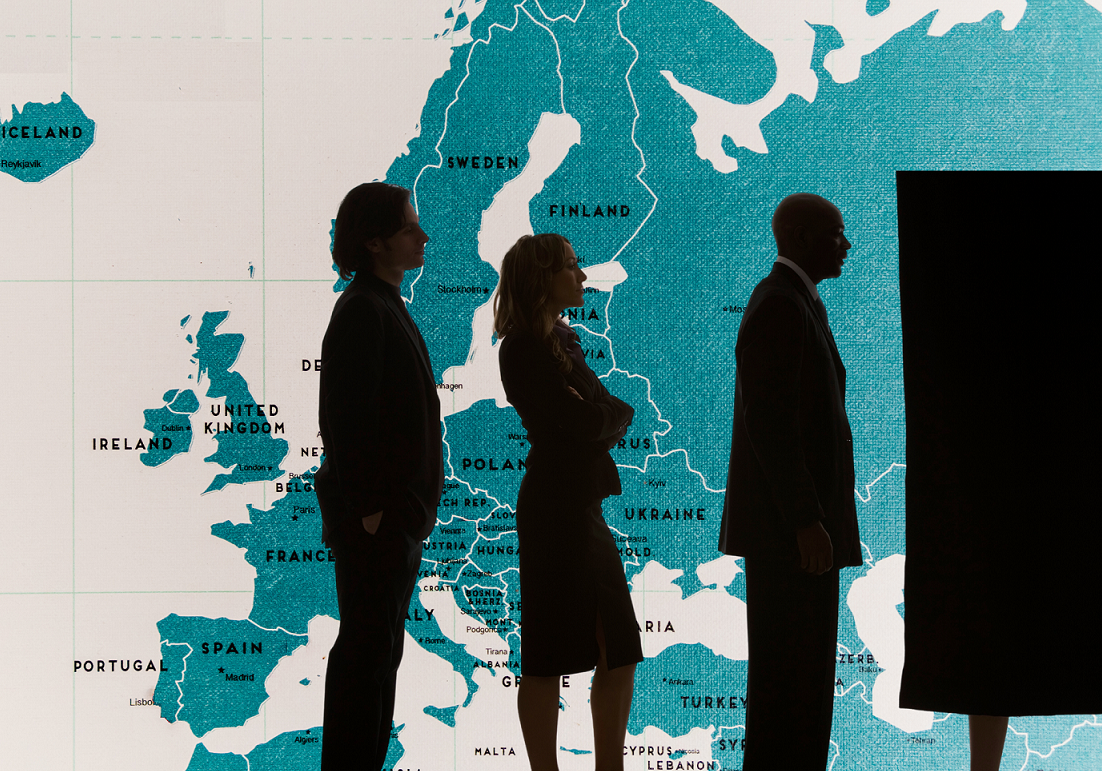
Lets look at the EU. These are not 3rd world nations run by strongmen I think we can agree.
If concern about voter fraud with mail-in ballots is delusional, it is a delusion that is shared by most of the world.

www.newsweek.com
"Among the 27 countries in the European Union, 63 percent ban mail-in voting unless living abroad and another 22 percent require a photo ID to obtain a mail-in ballot. Twenty-two percent ban the practice even for those who live abroad.
There are 16 countries in the rest of Europe, and they are even more restrictive. Every single one bans mail-in voting for those living in the country or require a photo ID to obtain a mail-in ballot. Sixty-three percent don't allow mail-in ballots even for citizens living outside of the country.
Are all of these countries, socialist and non-socialist alike, Western and Eastern European, developed and undeveloped, acting "without evidence?" It is not as though people in these countries haven't heard the same arguments about the importance of the ease of voting—or about how photo ID requirements will, as one professor in the U.K. explained, supposedly "
lead to people not being able to vote."
"These countries have learned the hard way what happens when mail-in ballots aren't secured. They have also discovered how hard it is to detect vote buying when both those buying and selling the votes have an incentive to hide the exchange."