Researchers not involved with the study were critical. They noted that the
Henry Ford team did not randomly treat patients but selected them for various treatments based on certain criteria.
"
As the Henry Ford Health System became more experienced in treating patients with COVID-19, survival may have improved, regardless of the use of specific therapies," Dr. Todd Lee of the Royal Victoria Hospital in Montreal, Canada, and colleagues wrote in a commentary in the same journal.
"Finally, concomitant steroid use in patients receiving hydroxychloroquine was more than double the non-treated group. This is relevant considering the recent
RECOVERY trial that showed a mortality benefit with dexamethasone." The steroid dexamethasone can reduce inflammation in seriously ill patients.
Rosenberg also pointed out that the
Detroit paper excluded 267 patients -- nearly 10% of the study population -- who had not yet been discharged from the hospital. He said this might have skewed the results to make hydroxychloroquine look better than it really was. Those patients might have still been in the hospital because they were very sick, and if they died, excluding them from the study made hydroxychloroquine look like more of a lifesaver than it really was.
"There's a little bit of loosey-goosiness here in all this,"
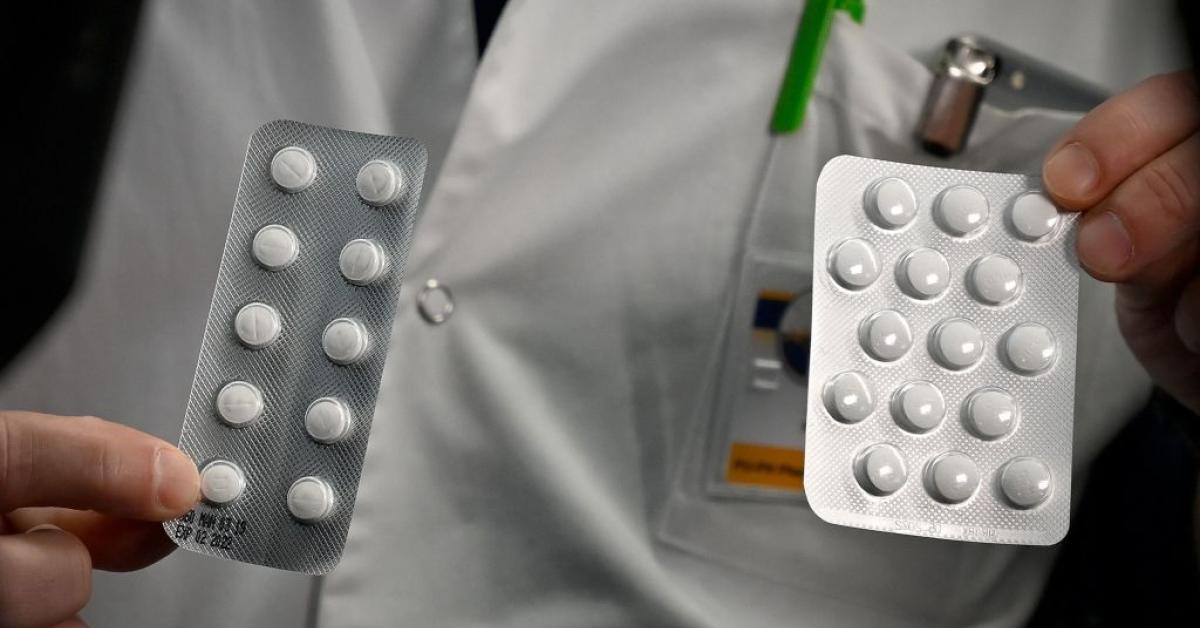
Both the Detroit and New York studies were observational: they looked back at how patients did when doctors prescribed hydroxychloroquine.
While helpful, observational studies are not as valuable as controlled clinical trials. Considered the gold standard in medicine, patients in a clinical trial are randomly assigned to take either the drug or a placebo, which is a treatment that does nothing. Doctors then follow the patients to see how they fare.
Two clinical trials on hydroxychloroquine for Covid-19, one in the US and one in the UK, were stopped early because their data suggested hydroxychloroquine wasn't helpful.