glaciers.......their fault

egp320i

Diamond Member
Gold Supporting Member
Joined
Dec 26, 2024
Messages
6,180
Reaction score
6,757
Points
1,938
Location
USA
seriously, it's interesting
1774145086240.webp
 
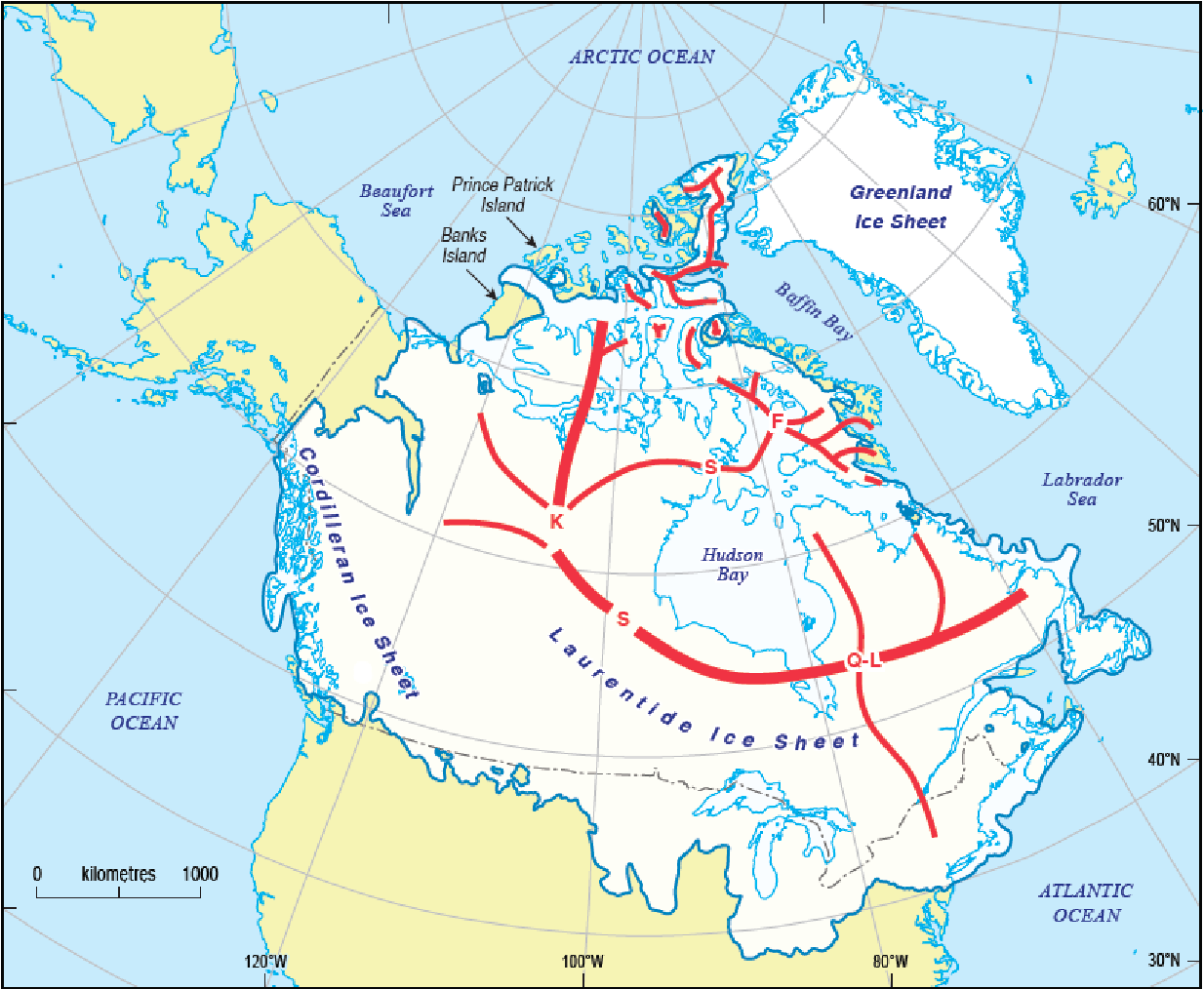
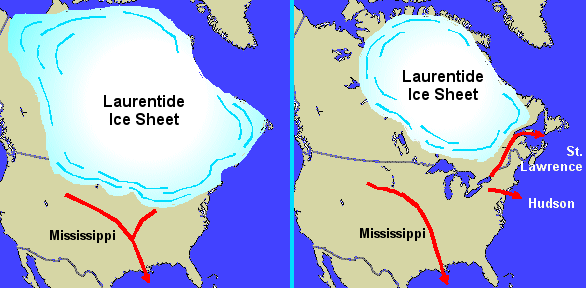
What happens when ice age glacier encounters tall mountain ranges? It gets "stuck" there, and it digs....


Figure 2 from Deglaciation of the Laurentide Ice Sheet from the Last 1 ...

Geologic History - Glacial History of Surrounding Towns


  • Visual Search
  • Save
  • View image

  • More
exactly, your illustration make it more clear

still interesting how ice "digs" lakes but we clearly
know they can carve out mountains, fjords are the best example
 
exactly, your illustration make it more clear

still interesting how ice "digs" lakes but we clearly
know they can carve out mountains, fjords are the best example


The bottom of ice age glacier sinks into the ground. Then as the glacier expands, it "grabs" the loose stuff and moves it. It digs straight down to the bedrock.

The two ice ages of today, one 1-2 million years old, the other 40, shown at current sea level with the ice removed...


Antarctica melting: Climate change and the journey to the 'doomsday ...

if All The Ice Melted: Scary rising sea level maps | Antarctica, Ice ...


^^^ proof Antarctic and South America were attached when they broke off from Africa 120+ million years ago.... and only broke apart 20 or so million years ago...


R.354088510a7e51dd8804f695e5c9ee45
 
exactly, your illustration make it more clear

still interesting how ice "digs" lakes but we clearly
know they can carve out mountains, fjords are the best example
The glaciers dig along fault lines because that's where the bedrock is weak.
 
Glaciation is one of a number of processes that lead to the formation of lakes.
I mean it's a real cool topic millions of years in the making before we were around

it shapes what we have today

I've always been interested in science and history
so much to learn, it would take a lifetime

wonder if anybody can explain the great lakes though
5 at different depths, that is an interesting part
 
Last edited:
I mean it's a real cool topic millions of years in the making before we were around

it shapes what we have today

I've always been interested in science and history
so much to learn, it would take a lifetime

wonder if anybody can explain the great lakes though
5 at different depths, that is an interesting part
Most likely explained by different bedrock and the different glaciers that carved the individual lakes.
 
Most likely explained by different bedrock and the different glaciers that carved the individual lakes.
I thought you claimed you were taking geology classes.

I guess they didn't stick. Or you were lying again.
 
Back
Top Bottom