1srelluc
Diamond Member
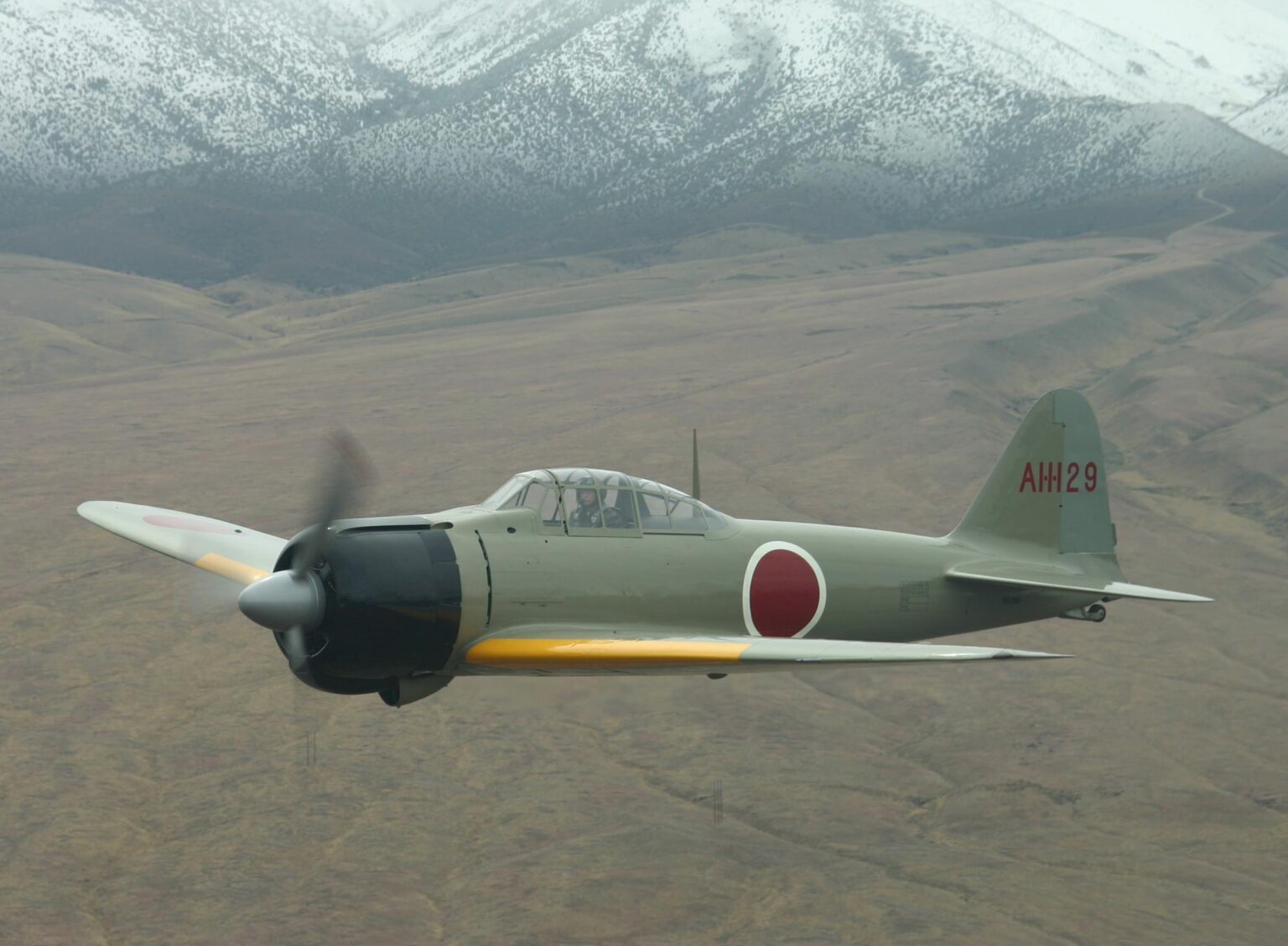
I always sorta wondered what happened to the one at the DC Air and Space Museum I saw as a kid. I heard it was removed but that was it.
Follow along with the video below to see how to install our site as a web app on your home screen.
Note: This feature may not be available in some browsers.


I love the WW2 vintage aircraft, i have seen a Spitfire twice flying overhead at tree top height the sound of that RR Merlin Engine is quite something, another great aircraft was the Mosquito that specialized in very low level raids one was Amiens prison where French resistance fighter were held another against Gestapo HQ in Copenhagen and the Pilips factory in Eindoven, some civilians were killed in the Copenhagen raid when a School was hit sad to say.I seen a group of them over head while fishing on the Suwanee River. I can't put words to the feeling I had watching them or any historic type aircraft. Someone in the area flys a WW1 double wing open cockpit plane in the area as well.

My Uncle my Dads Brother served as a gunner on HMS Victorious aircraft carrier in the Pacific attached to the US fleet, i believe at the time they had Corsair aircraft on the ship.The gull wing Corsair was a powerful American fighter/bomber but the long nose made it difficult to maneuver on an aircraft carrier so the planes were given to the Marines on Guadalcanal who used them effectively.

That is a Wildcat/Martlet, not a Corsair. You can easily tell by the square wingtips and no inverted gull wing.My Uncle my Dads Brother served as a gunner on HMS Victorious aircraft carrier in the Pacific attached to the US fleet, i believe at the time they had Corsair aircraft on the ship.
View attachment 1127224

And the landing gear extended from fuselage, rather than the wings as seen on similar Hellcat.That is a Wildcat/Martlet, not a Corsair. You can easily tell by the square wingtips and no inverted gull wing.

I always sorta wondered what happened to the one at the DC Air and Space Museum I saw as a kid. I heard it was removed but that was it.
The image was my Uncles ship HMS Victorious Illustrious class Carrier involved in the battle of Okinawa, on board were 20 Corsair aircraft and some Avengers, it was struck by Kamikazi aircraft the flight deck was damaged so the aircraft had to land on other Carriers in the Group.And the landing gear extended from fuselage, rather than the wings as seen on similar Hellcat.
The ABH carriers were decent ships against Kamikazes. They would have fared badly against the Kido Butai in 1942/43 with its many torpedo bombers. As it was, the BPF was lucky the Japanese didn't seed the kamikaze attacks it faced with conventional torpedo and dive bombers like they did some of the Kamikaze attacks against USN formations at the time. The Yokosuka D4Y Suisei (Judy), carried a 1,200-pound bomb that as the Luftwaffe proved in the Mediterranean, would go through the armored deck like a hot knife through butter, let alone the full third of the decks that were mild steel and unarmored elevators. As it was the BPF was lucky the Kamikazes that hit its carriers were aiming at the center of the deck as they were trained to do against the USN carriers.The image was my Uncles ship HMS Victorious Illustrious class Carrier involved in the battle of Okinawa, on board were 20 Corsair aircraft and some Avengers, it was struck by Kamikazi aircraft the flight deck was damaged so the aircraft had to land on other Carriers in the Group.
View attachment 1155893
Interesting info, i know the British carriers had steel decks so that would have reduced any impact by the Japs Kamikazis, although some people were killed with the strike on Victorious.The ABH carriers were decent ships against Kamikazes. They would have fared badly against the Kido Butai in 1942/43 with its many torpedo bombers. As it was, the BPF was lucky the Japanese didn't seed the kamikaze attacks it faced with conventional torpedo and dive bombers like they did some of the Kamikaze attacks against USN formations at the time. The Yokosuka D4Y Suisei (Judy), carried a 1,200-pound bomb that as the Luftwaffe proved in the Mediterranean, would go through the armored deck like a hot knife through butter, let alone the full third of the decks that were mild steel and unarmored elevators. As it was the BPF was lucky the Kamikazes that hit its carriers were aiming at the center of the deck as they were trained to do against the USN carriers.
That may well be, but the photo in your earlier post here is of a Grumman F4F Wildcat, - Martlet was the name used by the RN. As AZrailwhale pointed out.The image was my Uncles ship HMS Victorious Illustrious class Carrier involved in the battle of Okinawa, on board were 20 Corsair aircraft and some Avengers, it was struck by Kamikazi aircraft the flight deck was damaged so the aircraft had to land on other Carriers in the Group.
View attachment 1155893
Thanks for the info, landing must have been very hard at times on a carrier, my Uncle was a 22 year old 20mm Oerlikon gunner, his Brother my Dad told me when his Brother came home after the war he suffered for a long time with his nerves, then in time recovered, they probably call it PTSD now.That may well be, but the photo in your earlier post here is of a Grumman F4F Wildcat, - Martlet was the name used by the RN. As AZrailwhale pointed out.
I was up close and able to touch one this past Saturday while at an airshow at the Erickson Collection in Madras, Oregon, USA.
BTW, the Wildcat in your photo appears to have a broken fuselage, snapped behind the cockpit. Likely stress of tail-hook snagging the arrestor cable.
Naval carrier aircraft were built a bit tougher in structural framework, landing gear, etc. to take the strain and stress of landing on decks. Likely the aircraft in the picture you posted had received combat damage, shot-up, in the rear and weakened that portion of it's frame.Thanks for the info, landing must have been very hard at times on a carrier, my Uncle was a 22 year old 20mm Oerlikon gunner, his Brother my Dad told me when his Brother came home after the war he suffered for a long time with his nerves, then in time recovered, they probably call it PTSD now.
Their decks were only armored over the hanger roof. That was the area between the elevators. And even there the armor was only proof against five-hundred-pound bombsInteresting info, i know the British carriers had steel decks so that would have reduced any impact by the Japs Kamikazis, although some people were killed with the strike on Victorious.

I always sorta wondered what happened to the one at the DC Air and Space Museum I saw as a kid. I heard it was removed but that was it.
We learn something new every day, were you a Navy Man?Their decks were only armored over the hanger roof. That was the area between the elevators. And even there the armor was only proof against five-hundred-pound bombs
No, but my family was going back to the ACW. I was nearly disowned when I chose the Army for my service. I have just always been interested in warships and researched the British ABH carriers during arguments with Andy. Ther is a good site about the British carriers called armoredcarriers.comWe learn something new every day, were you a Navy Man?
Their decks were only armored over the hanger roof. That was the area between the elevators. And even there the armor was only proof against five-hundred-pound bombs
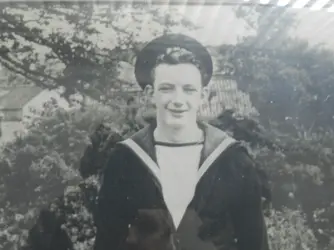
I will check it out, the image is my Uncle aged 18 i would say in 1941, i was told he walked about 15 miles to the next town to join up but he was only 17 so they rejected him until he was 18, funny thing is another Uncle of mine was KIA in Normandy 12 days after D-Day near Caen after landing on Gold Beach he was only 17 so how it worked in those days seems strange, i visited his grave a couple of years ago in Bayeux military cemetery to pay my respects.No, but my family was going back to the ACW. I was nearly disowned when I chose the Army for my service. I have just always been interested in warships and researched the British ABH carriers during arguments with Andy. Ther is a good site about the British carriers called armoredcarriers.com