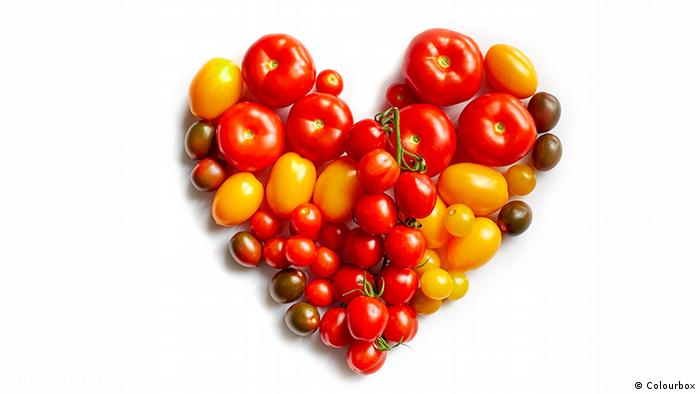
How many of us stop to think of how the tomatoes we eat taste? We get them everywhere, usually mixed in with something else or covered in mayonnaise or other sauces.
When was the last time you plucked one from the vine in a garden as just savored its taste?
When one starts typing the phrase "Tomatoes taste like…", in Google, the six most common auto-complete suggestions are "blood," "dirt," "fish," "pumpkin," "chlorine" and "wet dog."
If you, too, have ever lamented tasting wet dog (or, uh, blood) as you've bitten into a store-bought tomato-and-cheese sandwich for lunch, you may be in luck.
On Monday, scientists introduced a rare version of a gene that promises to make store-bought tomatoes taste more edible in a report published in Nature Genetics.
Tomato breeders usually sacrifice the flavor of their batches for the sake of production, opting to instead breed larger fruits in higher quantities with longer shelf lives.
A team of researchers (perhaps after hearing such "wet dog" and "dirt" complaints) gathered genetic information from 725 wild tomatoes and constructed a "pan-genome," or a genome with information from all 725 tomatoes.
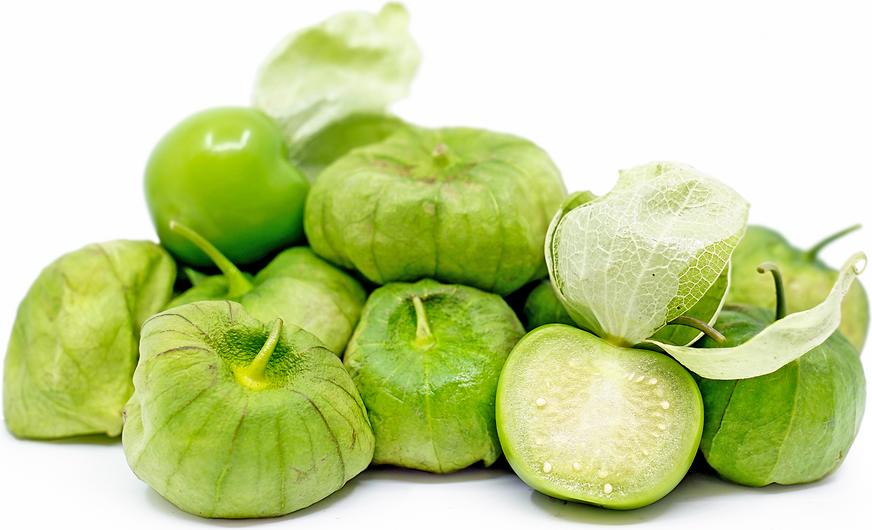
Has anyone here eaten a tomatillo?
These are the originals from which all other types come.
More of the story @
Finally! A way to return flavor to bland tomatoes | DW | 14.05.2019
No, I haven't tried tomatillo.
However, if there is anything I cannot stand, it's a hothouse tomato that has every apparition of being anemic. And they are served regularly at fast food palaces. /double bleh!
And pardon my off-topic comment but yellow lettuce so served with anemic tomatoes is my idea of a nutritional nightmare.
Oh, wait, nothing is worse than going to breakfast and seeing parents allowing to have their children drink a coke, pepsi, or other soft drink instead of having fresh, beautiful, organic fruit platter, and menu choices of glass-bottled distilled or 100% purified water that has a zero percent chance of harboring municipal chemicals that make indicator (borderline) people ill. An indicator individual is one whose sensitive system is a warning signal that the public health is at stake if the indicator individual has gut bleeding following water consumption. Others don't bleed, they contract serious cancers doctors have a hard time outwitting with the very best of cancer treatment and therapies that never consider public water a source of human illness just because it "fulfills" a government parameter for alleged health. Some chemicals in water are never considered a source of illness or causal agent of allergies and other anomalies of human health. That's just my opinion because if I forget about municipal water problems, I bleed if water is contaminated. And I bleed within 30 minutes of consuming bad water, which most municipal water is. bleh!



 And the mild or hot sauce doesn't cause any issues for some odd reason.


