Here's what we know now about COVID-19 or SARS-CoV-2. Jeez, the latter scares me more for some reason when they're both the same thing; Maybe it's because you have to use upper and lower case and an extra hyphen to spell it.
A sample:
"
Then
Older people above age 65 are at
highest risk for developing severe disease
.
Now
Age is still a risk factor for severe symptoms, but underlying conditions like
high blood pressure,
obesity and diabetes also boost risk.
Racial disparities have also come to light. In the United States, Black, Indigenous and Hispanic people are getting infected or dying at higher rates than white people.
Then
Children are largely spared from the disease.
Now
This is still true relative to other age groups, though researchers aren’t sure why. But low risk doesn’t mean no risk. Some children can develop a
dangerous inflammatory condition linked to COVID-19.
Then
An infected person will transmit the virus to
two or three other people, on average.
Now
With social distancing and
contact tracing, many places, including China, South Korea and New Zealand, have brought the infection rate from two to three down to below one. But in certain regions, including India, Latin America and parts of the United States, people may still be passing the virus on to more than one other person. And without stringent public health measures in place,
large gatherings have led to clusters of infections.
Then
Of people who
test positive for the virus, around 4 percent die.
Now
Death rates vary due to in part to differences in testing among countries. (For example, if only people with severe disease get tested that might inflate the case fatality rate.) Pinpointing a global rate won’t be clear until the end of the pandemic. But
antibody testing has allowed scientists to estimate that the infection fatality rate — a measure that includes people who were not tested, perhaps because they had mild or no symptoms — may be around 0.6 percent in some places.
Then
Only sick people should wear masks, according to guidance from WHO and the CDC.
Now
With data showing asymptomatic people can spread the virus, both agencies now recommend that all people wear masks in public. The effectiveness of
fabric masks was in question early on, but studies now suggest that these
masks can help curb transmission of the virus — if most people wear them.
Then
There are
no treatments for infected people and no vaccines to curb the virus’ spread.
Now
After a rapid push to test existing drugs against the new coronavirus, some have shown promise, while others fell out of the running. Remdesivir may
speed recovery in sick patients. Dexamethasone may
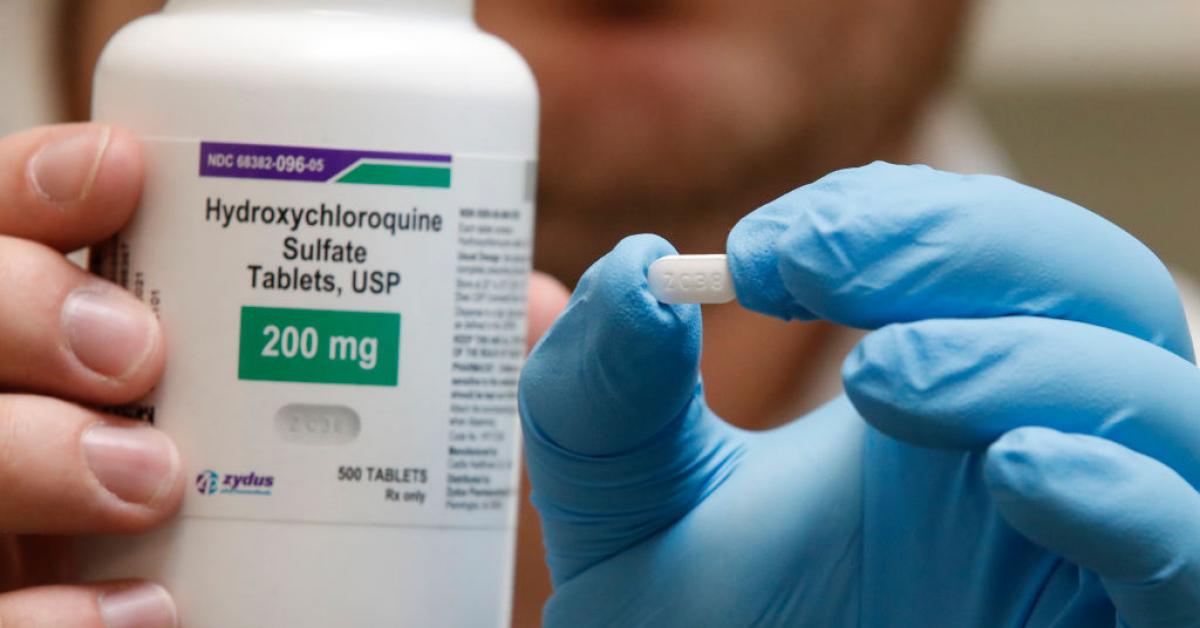
reduce the risk of death. The malaria drugs hydroxychloroquine and chloroquine have shown
no benefit for infected people. More than 150 coronavirus vaccines are in development, with 20 in clinical trials in people."
Six months into the new coronavirus pandemic, researchers have raced to uncover crucial information about SARS-CoV-2. But much is still unknown.

www.sciencenews.org