Bessent: US Tariff Revenue Could Top $500B a Year

If you refuse to buy imported prosecut

If you are fine with that, why did you try to deny it?

Odd that you include saving the dollar as the world currency given Trump's policy seems intended to harm that.

My point that about this being unconstitutional stands.
The president has the right to impose tariffs
 
The president has the right to impose tariffs.
Only if Congress gives him the right. By statute he has some leeway to impose tariffs but it is not a unilateral power. If Congress can't act, the President can now get away with murdering someone on 5th Ave.
 
Only if Congress gives him the right. By statute he has some leeway to impose tariffs but it is not a unilateral power. If Congress can't act, the President can now get away with murdering someone on 5th Ave.
Obviously false
 
Obviously false
You are. It is obvious to anyone who has had a basic civics class

"The Constitution grants Congress the power to regulate foreign commerce, impose tariffs, and collect revenue. As discussed in this report, Congress has long enacted laws authorizing the President to adjust tariff rates on goods in certain circumstances. Courts have generally upheld these laws against constitutional challenges, holding that they do not impermissibly delegate Congress's legislative power over tariffs to the executive branch."


Introduction

The U.S. Constitution gives Congress the power to regulate foreign commerce, impose import tariffs, and raise revenue.<a href="https://www.congress.gov/crs_external_products/R/HTML/R48435.web.html#fn1" name="ifn1" title="See U.S. Const. art. I, § 8.">1</a> Congress, in turn, has enacted laws giving the President the authority to impose tariffs under certain conditions.
 
You are. It is obvious to anyone who has had a basic civics class

"The Constitution grants Congress the power to regulate foreign commerce, impose tariffs, and collect revenue. As discussed in this report, Congress has long enacted laws authorizing the President to adjust tariff rates on goods in certain circumstances. Courts have generally upheld these laws against constitutional challenges, holding that they do not impermissibly delegate Congress's legislative power over tariffs to the executive branch."


Introduction

The U.S. Constitution gives Congress the power to regulate foreign commerce, impose import tariffs, and raise revenue.<a href="https://www.congress.gov/crs_external_products/R/HTML/R48435.web.html#fn1" name="ifn1" title="See U.S. Const. art. I, § 8.">1</a> Congress, in turn, has enacted laws giving the President the authority to impose tariffs under certain conditions.
You do know Trump is imposing the tariffs now which invalidates your claim.

Laws That Allow the President to Impose Tariffs

According to the Congressional Research Service, there are six statutory provisions currently in place that control how the president and the executive branch can use tariffs. Three provisions require federal agency investigations before a tariff can be imposed. The other provisions do not require an investigation before actions are taken.

Section 232 of the Trade Expansion Act of 1962 has been used by the first and second Trump administrations for steel and aluminum imports. It authorizes the president to ask the Secretary of Commerce to determine if goods are being imported in manner that threatens national security. The secretary then reports back to the president if he has any affirmative findings. “Section 232 does not require the President to follow the Secretary’s recommendations but permits him to take alternative actions or no action,” the CRS says. Under Section 232, there is no maximum time limit on the president’s tariff actions.

Another provision that requires an investigation is Section 201 of the Trade Act of 1974. The act allows the president to impose tariffs if the U.S. International Trade Commission (ITC) finds that an import surge is threatening a U.S. domestic industry. If the ITC makes an affirmative determination, the president can take action accordingly, including placing tariffs. Tariffs imposed under Section 201 are not meant to be permanent, and the actions have a limit of four to eight years.

Section 301 of the Trade Act of 1974 allows the United States Trade Representative (USTR) to authorize tariffs on foreign countries that restrict U.S. commerce in “unjustifiable,” “unreasonable,” or “discriminatory” ways. If the USTR confirms such behavior after an investigation, the president has the discretion to allow the USTR to impose tariffs for at least four years.

Among the three provisions that allow the president to act on his own to impose tariffs without an investigation, only one has ever been used: the International Emergency Economic Powers Act of 1977. The act allows the president to declare an emergency under the National Emergency Act (NEA) and then use his extensive economic powers to regulate or prohibit imports. The CRS says that President Trump was the first chief executive to use this act in February 2025, when he announced tariffs on Canada, China, and Mexico. The emergency stated by the president can be terminated at this request, or by a joint resolution of Congress.

Section 122 of the Trade Act of 1974, which allows the president to enact temporary tariffs to address “large and serious United States balance-of-payments deficits” or certain other situations that present "fundamental international payments problems; and Section 338 of Tariff Act of 1930, which authorizes the president to enact “tariffs on articles produced by, or imported on the vessels of, foreign countries that discriminate against U.S. commerce in certain ways,” have not yet been used.

Ultimately, Congress can limit or expand the presidential tariffs powers through legislation, but the CRS concludes that based on precedents dating back to the time of Chief Justice Marshall, judicial precedent “has given the President broad latitude to exercise his tariff authorities.”

Scott Bomboy is the editor in chief of the National Constitution Center.


You do know Trump is imposing the tariffs now which invalidates your claim.

Laws That Allow the President to Impose Tariffs

According to the Congressional Research Service, there are six statutory provisions currently in place that control how the president and the executive branch can use tariffs. Three provisions require federal agency investigations before a tariff can be imposed. The other provisions do not require an investigation before actions are taken.

Section 232 of the Trade Expansion Act of 1962 has been used by the first and second Trump administrations for steel and aluminum imports. It authorizes the president to ask the Secretary of Commerce to determine if goods are being imported in manner that threatens national security. The secretary then reports back to the president if he has any affirmative findings. “Section 232 does not require the President to follow the Secretary’s recommendations but permits him to take alternative actions or no action,” the CRS says. Under Section 232, there is no maximum time limit on the president’s tariff actions.

Another provision that requires an investigation is Section 201 of the Trade Act of 1974. The act allows the president to impose tariffs if the U.S. International Trade Commission (ITC) finds that an import surge is threatening a U.S. domestic industry. If the ITC makes an affirmative determination, the president can take action accordingly, including placing tariffs. Tariffs imposed under Section 201 are not meant to be permanent, and the actions have a limit of four to eight years.

Section 301 of the Trade Act of 1974 allows the United States Trade Representative (USTR) to authorize tariffs on foreign countries that restrict U.S. commerce in “unjustifiable,” “unreasonable,” or “discriminatory” ways. If the USTR confirms such behavior after an investigation, the president has the discretion to allow the USTR to impose tariffs for at least four years.

Among the three provisions that allow the president to act on his own to impose tariffs without an investigation, only one has ever been used: the International Emergency Economic Powers Act of 1977. The act allows the president to declare an emergency under the National Emergency Act (NEA) and then use his extensive economic powers to regulate or prohibit imports. The CRS says that President Trump was the first chief executive to use this act in February 2025, when he announced tariffs on Canada, China, and Mexico. The emergency stated by the president can be terminated at this request, or by a joint resolution of Congress.

Section 122 of the Trade Act of 1974, which allows the president to enact temporary tariffs to address “large and serious United States balance-of-payments deficits” or certain other situations that present "fundamental international payments problems; and Section 338 of Tariff Act of 1930, which authorizes the president to enact “tariffs on articles produced by, or imported on the vessels of, foreign countries that discriminate against U.S. commerce in certain ways,” have not yet been used.

Ultimately, Congress can limit or expand the presidential tariffs powers through legislation, but the CRS concludes that based on precedents dating back to the time of Chief Justice Marshall, judicial precedent “has given the President broad latitude to exercise his tariff authorities.”

Scott Bomboy is the editor in chief of the National Constitution Center.


Does the International Emergency Economic Powers Act authorize tariffs?

Probably not. Even if there were a legitimate emergency, the president is limited to the powers Congress has conferred. The International Emergency Economic Powers Act was passed to enable the president to impose economic sanctions on hostile foreign actors. It includes a long list of actions the president may take, but the word “tariffs” appears nowhere on that list. No president has ever used this law to impose tariffs before, and there is no mention of tariffs in its legislative history. That makes it safe to assume that Congress never intended for the law to be used in this way.


Does the International Emergency Economic Powers Act authorize tariffs?

Probably not. Even if there were a legitimate emergency, the president is limited to the powers Congress has conferred. The International Emergency Economic Powers Act was passed to enable the president to impose economic sanctions on hostile foreign actors. It includes a long list of actions the president may take, but the word “tariffs” appears nowhere on that list. No president has ever used this law to impose tariffs before, and there is no mention of tariffs in its legislative history. That makes it safe to assume that Congress never intended for the law to be used in this way.

Good file a lawsuit so how far you get. Youre beating a dead horse
 
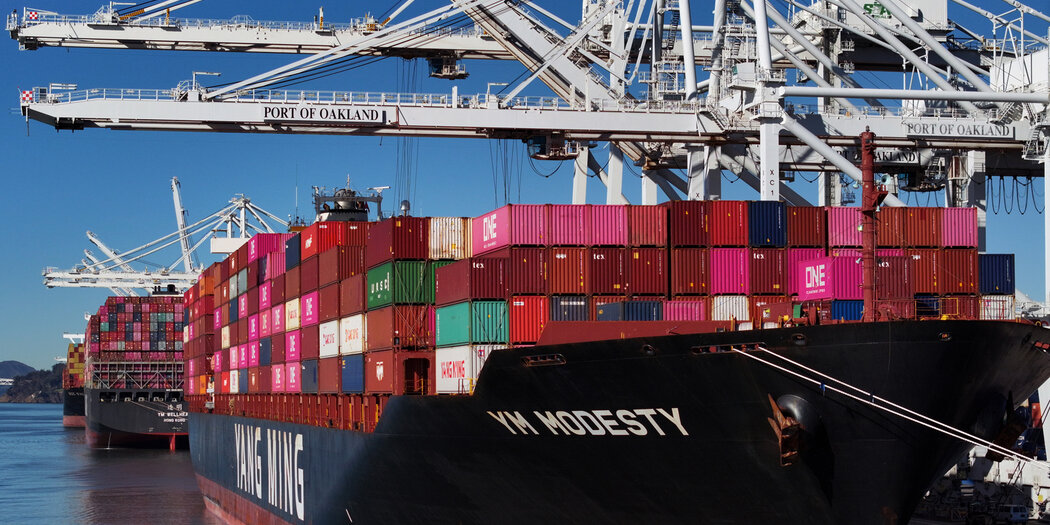
U.S. Treasury Secretary Scott Bessent said Tuesday that customs duty revenues from President Donald Trump's tariffs may surpass $500 billion a year, with a substantial jump from July to August and likely a bigger jump in September.

Bessent told a White House Cabinet meeting that his prior estimate of a $300 billion annual tariff collection rate was too low.

"We had a substantial jump from July to August, and I think we're going to see a bigger jump from August to September," Bessent said. "So I think we could be on our way well over half a trillion, maybe towards a trillion-dollar number. This administration, your administration, has made a meaningful dent in the budget deficit."

Tariff revenue would offset the deficit increases triggered by the Republicans' tax-cut and spending bill passed this year. CBO estimated this bill would widen the deficit by $3.4 trillion over the next decade.

Trump's tariffs drove July U.S. customs duty collections up by nearly $21 billion from the $7 billion collected in July 2024 and about even with the $20 billion increase registered in June. Significant increases in tariff rates for nearly all trading partners kicked in on August 7.


BJ-
The new Golden Age
America is back.
Better increase the tarriffs.

The fiscal 2025 deficit comes in at 1.97 Trillion. Likely over a trillion in interest alone. Hope everyone is happy with that one.

Tariffs are not doing squat.
 
You are. It is obvious to anyone who has had a basic civics class

"The Constitution grants Congress the power to regulate foreign commerce, impose tariffs, and collect revenue. As discussed in this report, Congress has long enacted laws authorizing the President to adjust tariff rates on goods in certain circumstances. Courts have generally upheld these laws against constitutional challenges, holding that they do not impermissibly delegate Congress's legislative power over tariffs to the executive branch."

Introduction
The U.S. Constitution gives Congress the power to regulate foreign commerce, impose import tariffs, and raise revenue.<a href="https://www.congress.gov/crs_external_products/R/HTML/R48435.web.html#fn1" name="ifn1" title="See U.S. Const. art. I, § 8.">1</a> Congress, in turn, has enacted laws giving the President the authority to impose tariffs under certain conditions.
Congress already gave the president the authority to impose tariffs.

1760439795777.webp
 
And all of it from increasing taxes on American citizens.

Patently false. Some will be paid by consumers. Some will be paid by foreign manufacturers because they need the US to stay in business. Some will be paid by exporters for the same reason.

If tariffs harm the country implementing them, why do other countries retaliate with tariffs of their own? Wouldn’t that be like shooting themselves in the foot?

The thing you lefties are missing is that the US is in the unique position of having the most desirable consumer market in the world. If US consumers don’t buy, other countries go bankrupt. They WILL eat some of the tariff to avoid that problem. Evidently, common sense isn’t so common.
 
Patently false. Some will be paid by consumers. Some will be paid by foreign manufacturers because they need the US to stay in business. Some will be paid by exporters for the same reason.

If tariffs harm the country implementing them, why do other countries retaliate with tariffs of their own? Wouldn’t that be like shooting themselves in the foot?

The thing you lefties are missing is that the US is in the unique position of having the most desirable consumer market in the world. If US consumers don’t buy, other countries go bankrupt. They WILL eat some of the tariff to avoid that problem. Evidently, common sense isn’t so common.
Nope. Every penny is paid by the importers.

That's how tariffs work.
 
15th post
Nope. Every penny is paid by the importers.

That's how tariffs work.

Yes, the tariff itself is paid by the importers, but importers can request foreign manufacturers to charge less, otherwise, they buy less. Get it yet?
 
Yes, the tariff itself is paid by the importers, but importers can request foreign manufacturers to charge less, otherwise, they buy less. Get it yet?
Nothing that is "charged less" goes into the treasury.

Americans pay ever damn penny of the tariffs.
 
Regardless.....

We had a higher deficit in 2025 than in 2024. 2026 needs to come down and come down a great deal.

And it needs to keep coming down.

We are paying well over a trillion in INTEREST on our 37+ trillion debt.
 
Back
Top Bottom