Yes I do slave. I live on the same planet but in the area that knows the governement is not to be trusted.
Did you hear what we did in Guatamala and in Tuskegee?
But of course slaves always want their masters to have more, b/c then they will need more slaves, and as we all know,
Misery loves company.
Hey pea brain, you SAY 'no one said get rid of all regualtions'...So tell me Einstein; WHO implements regulations, Martians?
SO what you are REALLY saying is that YOU are FOR getting rid of regulations.
You are an idiot, but you are too stupid to know it...

So what you are saying that you demand your nanny state take care of everything for you b/c you lack the manhood to do so for yourself.
I knew that slave.
fyi, we have so many regs now it's very very hard for new biz to get started. But like I said, miserable slaves want company.
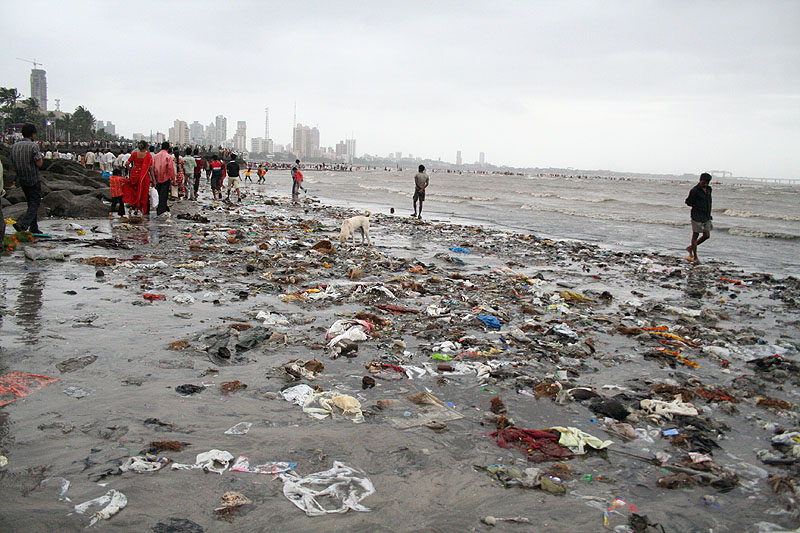
8/28 and 10/2. There are regs against littering, laws actually. The conservatives didn't leave any trash behind, the libes, like you, left piles of garbage.
So who cares about the land more? And who just talks the talk?
Actually the conservatives and Republicans left a HUGE pile of trash... they trashed America and everything that was accomplished from the turn of the 20th century through the late 1960's.
The melt down of our economy was because Republicans repealed or relaxed regulations that had worked for decades to create wealth for EVERYBODY, not just the top 1%.
America tried 'no government regulations' from the Civil War until the early 1900's ...it didn't work...but Ronbo Reagan, the pied piper on the road to serfdom, and the union busting Republicans dismantled the New Deal regulations and created 1900 America all over again!
America at the Turn of the Century
At the turn of the century America was in the midst of a great industrialization that had begun in the civil war. Great concentration of wealth had fallen to a few Americans who turned them into industrial development. These included Rockefeller in oil, Gould, Vanderbilt, Huntington and Stanford in railroads, Carnegie in steel, and so on.
Conditions of the Industrial System
The industrial system was marked by several characteristics that offered challenges to political leaders:
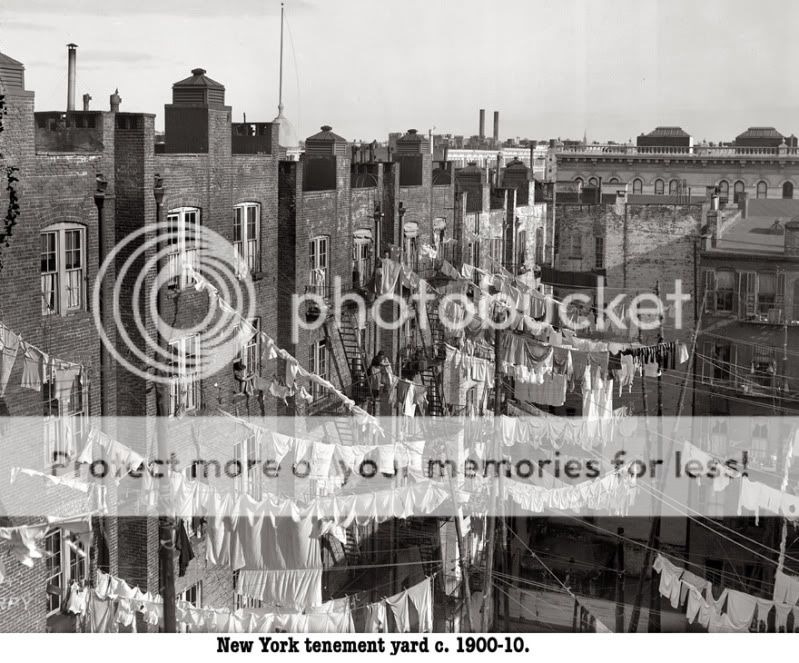
* Great disparities of wealth marked the economic life of the industrial cities. The most squalid of slums contained the urban poor mere blocks from opulent mansions in which the wealthy lived like royalty.
* Cheap Labor. Immigration and the migration from farms provided a seemingly inexhaustible supply of labor. This made labor a cheap part of industrial production as a result of the laws of supply and demand. To the industrialist, expenditures for safety made no economic sense: an injured or deceased worker was easily replaced by another. Wages could be kept low because there was always another worker willing to work for the lower wage. Attempts by workers to organize to confront the organized wealth of the barons for whom they worked were unsuccessful. Replacement workers were readily available. Hiring these "scabs" as labor called them inevitably led to disasters such as the Homestead Strike and the Pullman Strike in which quasi-military forces were brought in my the barons and workers died.
* Exploitation of Customers. In the climate of the times, the industrialists had the power to set prices. Railroads serviced the farmers along their lines, but the farmers needed the railroads to survive. There seemed no limit to the profit that the railroads could extract from the farmer. Furthermore with entire industries controlled by one source, there was no compulsion for quality. Books like The Jungle portrayed the meat packing industry in Chicago and the lack of concern with the safety of food.
* Corruption of Government. The concentrated wealth had an outlet in the corrupting of governmental officials. In the late 19th century the United States Senate was owned by the railroads. The wealthy poured money into the campaigns and pockets of key governmental officials who in turn protected their interests. In the large cities, the political machines organized politics not to address community concerns but as a provider of private largesse to those who supported the machine, rich and poor.
WHAT DEregulation in America looked like...
Pittsburgh, PA
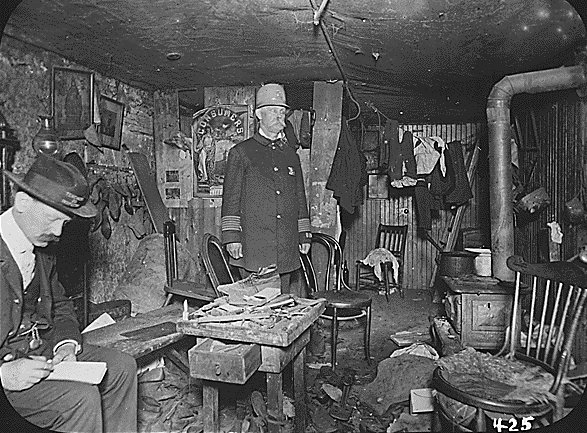
In New York, officials investigate a squalid tenement, 1900.