~~~~~~
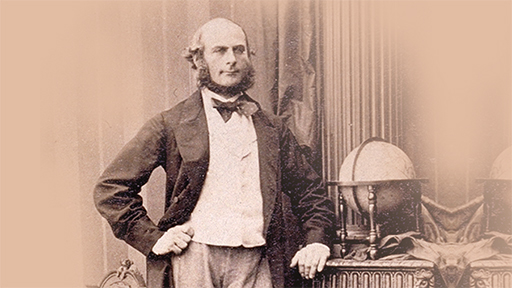
Discussions of eugenics began in the late 19th century in England, then spread to other countries, including the United States. Most industrialized countries had organizations devoted to promoting eugenics by the end of World War I.
Margaret Sanger is forever tied to eugenics and racism How a woman who advocated for the selective breeding of her fellow citizens.
Edward Bernays, known as the father of public relations, played a role in shaping public opinion during the Democrat-Progressive Era, which included the promotion of eugenics. The Progressive movement often intertwined with racism and eugenics, as many reformers believed in using scientific methods to improve society, leading to policies that marginalized certain groups based on flawed racial theories.
The Democrat-Progressive Movement in the early 20th century often embraced racism and eugenics as a means to promote social reform, believing that improving the genetic quality of the population could address social issues. This led to policies such as forced sterilization and restrictive immigration laws.
Wilson did not create segregation, he utilized it within our military.
The Democrat-Progressive period lay mainly within the Southern era of Jim Crow legislated segregation, often making it impossible to identify particular racial attitudes in the New South as "Democrat-Progressive" or simply as inherited features of long held southern racial ideas. The all important question for the historian is, Which racial ideas did the Progressives inherit from their predecessors, and which did they develop on their own?
A timeline highlighting key moments in the development of eugenics, with a focus on the American eugenics movement.

www.genome.gov


www.tmz.com