1951: African-Americans exposed to potentially fatal simulant in Virginia test of race-specific fungal weapons.
1952: German chemical weapons researcher Walter Schreiber, working in Texas, exposed as a perpetrator of concentration canp experiments, and flees to Argentina.
1956: Army manual explicitly states that bio-chemical warfare is not banned. Rep. Gerald Ford wins policy change to give U.S. military "first strike" authority on chemical arms.
1959: House resolution against first use of bio-chemical weapons is defeated.
1961: Kennedy Adminsitration begins hike of chemical weapons spending from $75 million to more than $330 million.
1962: Chemical weapons loaded on U.S. planes during Cuban missile crisis.
1966: Army germ warfare experiment in New York subway system.
1968: Pentagon asks for the chance to use some its arsenal against civil rights and anti-war protesters to demonstrate the "efficacy" of the chemicals. "By using gas in civil situations, we accomplish two purposes: controlling crowds and also educating people on gas," said Maj. Gen. J.B. Medaris. "Now, everybody is being called savage if he just talks about it. But nerve gas is the only way I know of to sort out the guys in white hats from the ones in the black hats without killing any of them."
1969: Utah chemical weapons accident kills thousands of sheep; President Nixon declares U.S. moratorium on chemical weapons production and biological weapons possession. U.N. General Assembly bans use of herbicides (plant killers) and tear gasses in warfare; U.S. one of three opposing votes. U.S. has caused tear gas fatalities in Vietnamese guerrilla tunnels.
1970: Sarin nerve gas used by U.S. forces in a secret raid into Laos called Operation Tailwind. "Upwards of 100'' people perished in the raid, including Laotian civilians. Platoon leader Lt. Robert Van Buskirk estimated up to 20 U.S. military defectors were killed. Adm. Thomas Moorer, former chairman of the Joint Chiefs of Staff, confirmed theraid on CNN in 1998.
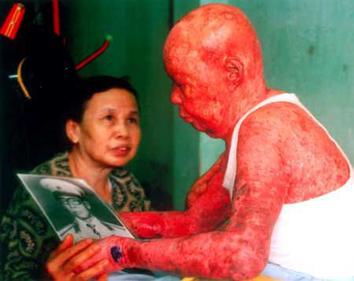
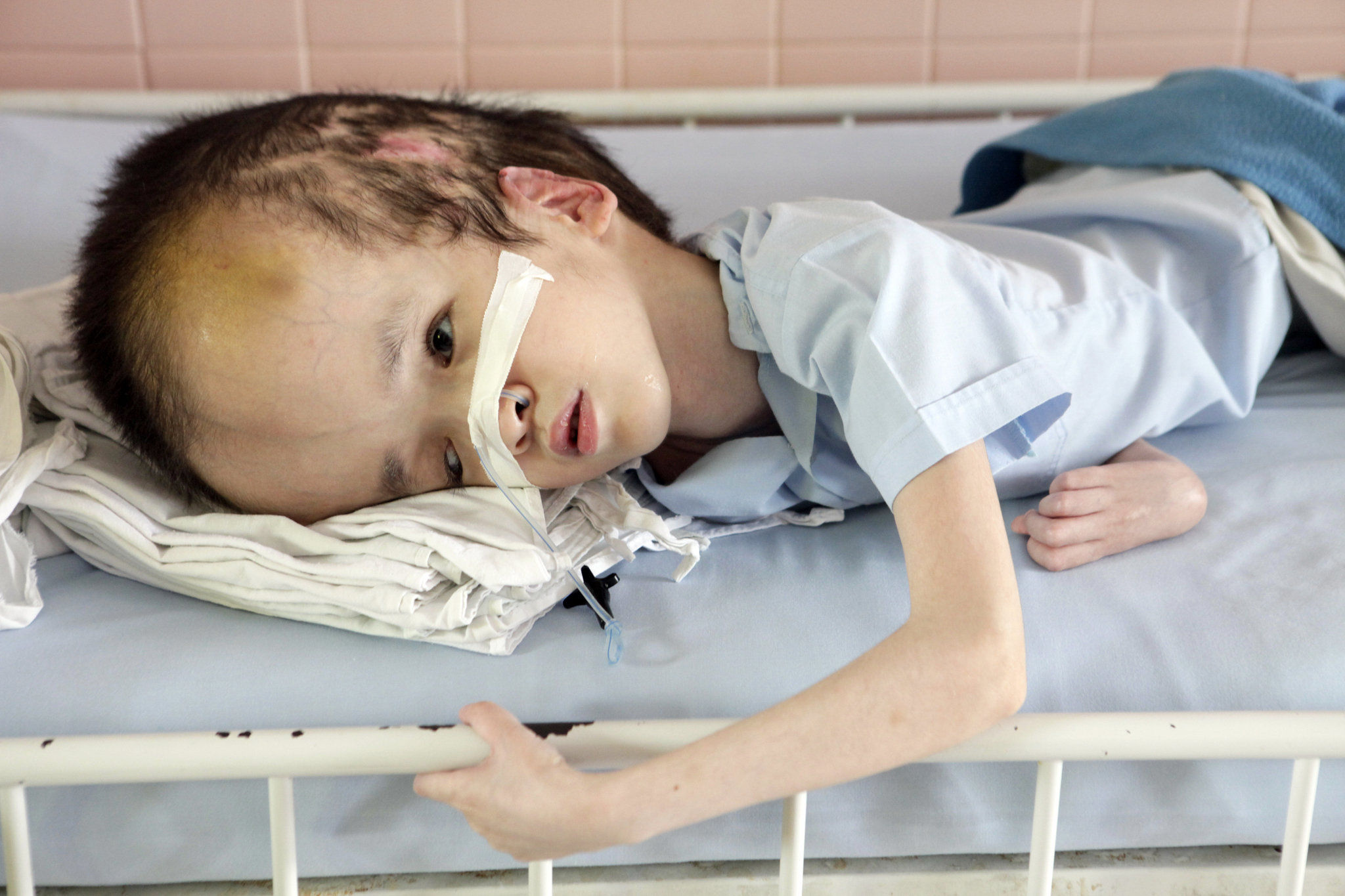
1971: U.S. ends direct use of herbicides such as Agent Orange; had spread over Indochinese forests, and destroyed at least six percent of South Vietnamese cropland, enough to feed 600,000 people for a year. U.S. intelligence source gives swine-flu virus to anti-Castro Cuban paramilitary group, which lands it on Cuba's southern coast (according to1977 newspaper reports).
1972: Biological and Toxic Weapons Convention. Cuba accuses CIA of instilling swine fever virus that leads to death of 500,000 hogs.
1974: U.S. finally ratifies 1928
Geneva Protocol.