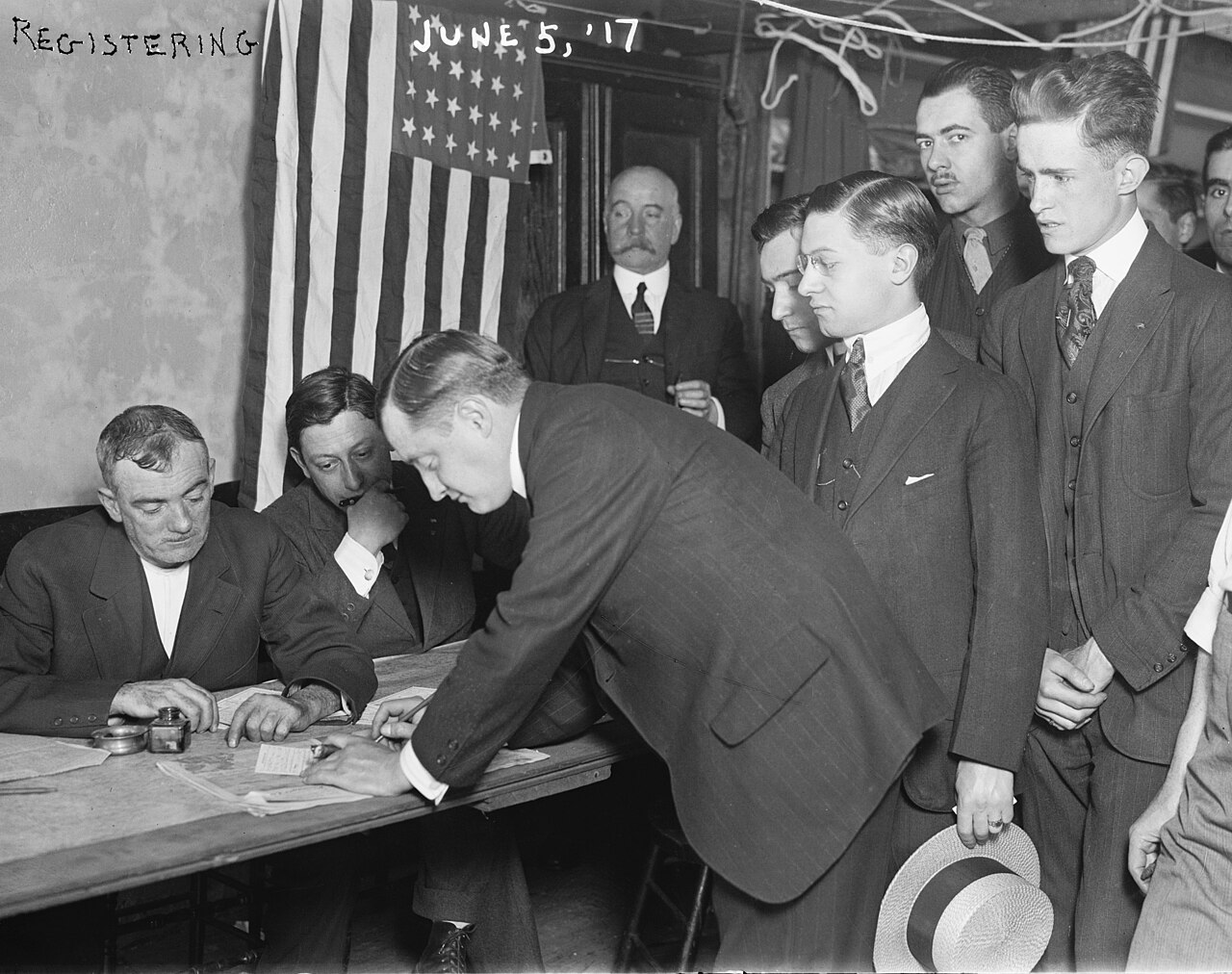
Not true, they were still drafting people between Korea and Vietnam.

en.wikipedia.org
Following the 1953 Korean War Armistice, Congress passed the
Reserve Forces Act of 1955 with the aim of improving
National Guard and federal
Reserve Component readiness while also constraining its use by the president. Toward this end, it mandated a six-year service commitment, in a combination of reserve and active duty time, for every line military member regardless of their means of entry. Meanwhile, the SSS kept itself alive by devising and managing a complex system of deferments for a swelling pool of candidates during a period of shrinking requirements. The greatest challenge to the draft came not from protesters but from lobbyists seeking additional deferments for their constituent groups such as scientists and farmers.
[31]
Many government leaders felt that the potential for a draft was a critical element in maintaining a constant flow of volunteers. On numerous occasions, Gen. Hershey told Congress that for every man drafted, three or four more were scared into volunteering.
[50][51] Assuming that his assessment was accurate, this would mean that more than 11 million men volunteered for service because of the draft between January 1954 and April 1975.
[30]
The policy of using the draft to incentivize voluntary enlistment was unique in American history. Previous drafts had not aimed to encourage individuals to enlist in order to gain preferential placement or less dangerous postings. However, the incremental buildup of the Vietnam War without a clear threat to the country bolstered this focus