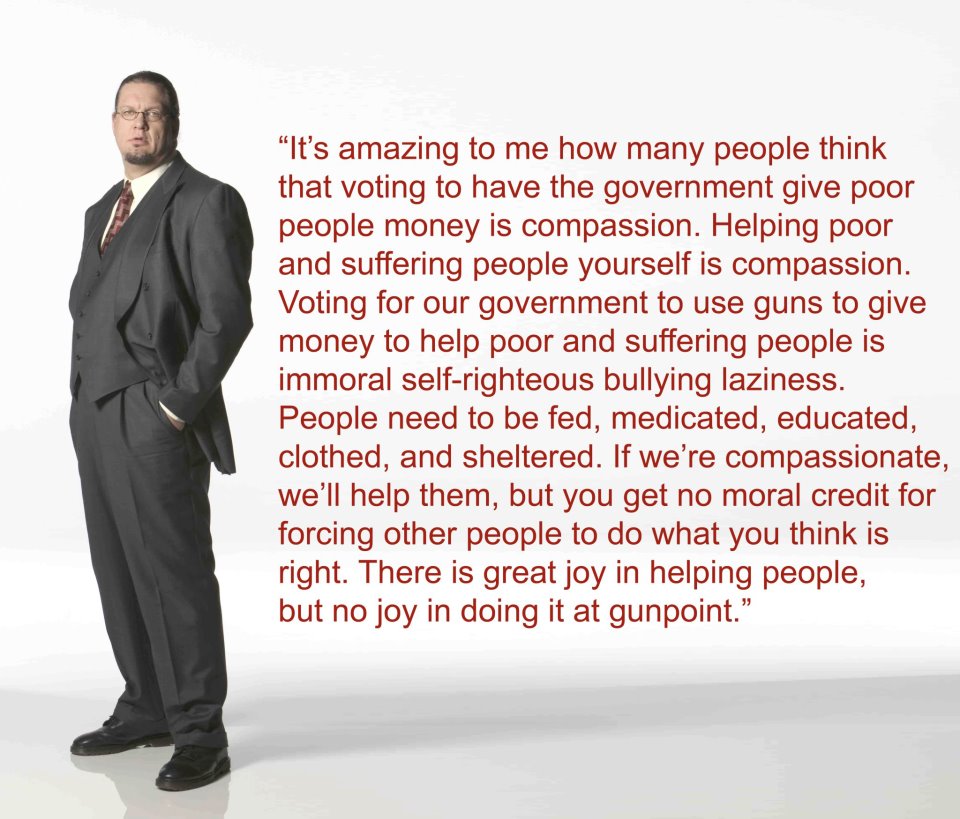
... I think it's far better we use those dollars for healthcare for the poor than blow up hospitals killing women and children.
Oh I totally agree with that. Dismantling the welfare state is low on my list of priorities. But it IS part of the problem, especially in the way it encourages people to accept corporatist government.
I don't think it's possible to dismantle the welfare state, not when half the country is receiving benefits. I think at the root of the problem is globalization and that's not going away.
Better trained workers abroad, increased foreign worker productivity, and increased investments abroad, a more stable international climate, and international free trade has put US workers in direct competition with foreign workers who command much lower wages and benefits. This means less jobs at lower pay, particularly for low skilled workers. This trend began years ago and it's not likely to reverse until foreign workers wages and benefits approach that of US workers.
Cutting benefits for the unemployed and low income workers will only drive more people into the workplace pushing wages lower. The result would be more poverty and more demand for government assistance.
The answer is of course creating more jobs for low skilled workers and increasing the productive of the American worker so he is better able to compete with workers abroad.
That last bit is exactly what I'm talking about when I say that the welfare state encourages people to accept corporatist government.
We
can dismantle the welfare state, and the warfare state - and pretty much any other corrosive institution of government -
if we decide it's worth doing.
I'm not quite sure what you mean by globalism. In my view it's nationalism that's feeding our move to corporatism, not globalism. The view that each country is in competition with the rest tempts us to view our people as resources to apply toward that goal, rather than individuals with rights to protect.
By globalism, I mean the barriers between countries, trade, travel restrictions, language, and cultures are slowly disappearing. Thus, a Chinese worker making two dollars an hour produces goods or services sold in the US displacing the US worker being paid $10/hr. In Pakistan, workers making $3/hr who speak English are displacing call center workers making $15/hr. This started years years ago and has increased in 21st century and I suspect it will continue.
The US worker is only able to compete with workers from abroad because of better training, technology, and a shorter distance between the worker and end user of the product. The problem is that these gaps are closing. The foreign worker is becoming better educated relative to the US worker, the same technologies being used in the US are becoming available throughout the world and the cost of transportation is going down. What all this means is the American worker has got to become more productive or his job is going to disappear and add to the number on welfare programs.
I think it's possible, that various social welfare benefits could be reduced, however I don't see anyway to abolish the social welfare system. There are too many voters that are receiving benefits and too many voters believe the programs are needed. One out of every 3 families has at least one family member receiving some form social welfare.