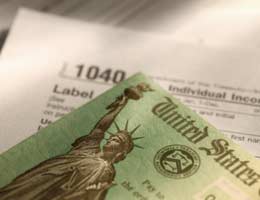
30 years ago people in the top 10% were making close to $60,000/per year, and so started the chant of rich people don’t pay their fare share. Today we’re hearing the exact same thing. So what I’m curious to know is who the rich are? What level of income is needed before you’re considered to not be paying your fair share. Is it still the $60,000 mark or is it anyone that has $1.00 more than you do.
IMHO it's not the income that decides whether you're paying your fair share It's all the deductions only the rich can take so their % of taxes are very low
LOL okay what are these make believe rich only tax deductions?
5 tax deductions that favor the rich
JAY MACDONALD@OMNISAURUS
DECEMBER 7, 2011 in
TAXES
ADVERTISEMENT
It’s good to be rich
When it comes to tax deductions, it is good to be rich — the richer, the better.
Middle-class America enjoys some of the same tax breaks as the wealthy on things like the mortgage interest on home loans, capital gains on retirement investments and donations made to charity.
However, the rich enjoy these deductions and others to a wildly disproportionate degree when compared to the rest of taxpayers. According to the National Priorities Project, America’s top earners will get an average tax cut of $66,384 in 2011 while the bottom 20 percent will realize an average tax savings of about $107.
Seth Hanlon, director of fiscal reform for the Center for American Progress, says that while all tax breaks are well-intended, the “upside-down” nature of some miss their target.
“Most people don’t see these as being government expenditures, but from an economic and budget point of view, they’re really the same thing as programs that spend money directly,” says Hanlon. “There are ways to reform them to make them work better.”
Many agree, including President Barack Obama, Warren Buffett and Bill Gates.
Here are five tax deductions that help the rich get richer.
The Most Common Overlooked Tax Breaks
Don't miss these tax breaks -- they could save you some cash.
Mortgage interest: a homeownership incentive?
The mortgage interest deduction on your federal tax return is intended to encourage homeownership by giving you a tax break on the interest you pay on your house note.
There is little question it benefits millions of middle-class homeowners as well as the wealthy. But does it provide a compelling financial incentive to own rather than rent? Not so much.
According to a study by The Wharton School at the University of Pennsylvania, mortgage interest deductions for households with incomes between $40,000 and $75,000 average just $523, while households with incomes above $250,000 enjoy an average write-off of $5,459, or more than 10 times as much.
You must itemize on IRS Form 1040 Schedule A to claim the deduction. If you do, you can also deduct the interest paid on a second home. The rich do both, but most of the middle class does neither.
“For millions of taxpayers, therefore, the mortgage interest deduction provides no added incentive to buy a home,” says Hanlon. “It makes no sense in terms of targeting the incentive at the people who need or could use it.”
Capital gains: how the rich get richer
Why does billionaire Warren Buffett pay less income tax than his secretary?
Two words: capital gains.
Long-term capital gains, which derive from the sale of investments such as stocks and bonds held for more than a year, are taxed at 15 percent. That’s well below the 35 percent maximum tax rate on ordinary income such as wages.
The preferential tax treatment of capital gains is widely viewed as regressive because the rich, who derive a disproportionate share of their income from capital gains, pay less than half of the tax rate on that income compared to middle-class wage earne