
Calling yourself an expert in a field in which you have NEVER WORKED is about as stupid as stupid can be. You might be the go to expert among the three idiots you hang out with at the office water cooler, but in the real world you aren't jack shit dude. And I base that entirely on the mounds and mounds of mistakes, errors and lies you have put out on the very topic in which you now claim expertise.Yes, the go to expert
Navigation
Install the app
How to install the app on iOS
Follow along with the video below to see how to install our site as a web app on your home screen.
Note: This feature may not be available in some browsers.
More options
Style variation
You are using an out of date browser. It may not display this or other websites correctly.
You should upgrade or use an alternative browser.
You should upgrade or use an alternative browser.
Weather destroys wind turbines in Iowa
- Thread starter elektra
- Start date

elektra
Diamond Member
- Thread starter
- #262
You clearly demonstrated there is a prototype and that you have no idea what, "on the market," means.I have clearly demonstrated that there is a 15 MW on the market. That makes you the liar.
To use a protype that is 15x's larger than the wind turbines that are operating commercially for a comparison to small coal plants, is lying.
Crick, there are no commercial 15mw wind turbines. The average turbine is 1mw.
Crick is a liar.
elektra
Diamond Member
- Thread starter
- #263
hahahaha, I work in the wind industry, I work in the solar industry, I work in the geothermal industry. I work anywhere electricity is made. I have worked at coal plants and natural gas plants.Calling yourself an expert in a field in which you have NEVER WORKED is about as stupid as stupid can be. You might be the go to expert among the three idiots you hang out with at the office water cooler, but in the real world you aren't jack shit dude. And I base that entirely on the mounds and mounds of mistakes, errors and lies you have put out on the very topic in which you now claim expertise.
Yet, crick, you still can not quote one post that I have not substantiated, all you can do is spew slime from your mouth.
elektra
Diamond Member
- Thread starter
- #264
You lost that bet in one second, you slimy liarI bet that unit in Denmark is feeding their grid.

Denmark's under-performing and curtailed wind turbines have lost DKK 2.1bn in asset revenue
IntelStor, a renewable energy market research and consulting firm, has uncovered that from 1978 through 2020, Denmark has seen a total loss of 7.85 TWh of wind energy production through a combination of curtailments, faults and failures as well as age-related asset performance degradation. Total...
Denmark's under-performing and curtailed wind turbines have lost DKK 2.1bn in asset revenue
elektra
Diamond Member
- Thread starter
- #265
You simply said so, you included no technical information, which wind turbine you are referring to, where it is installed. You simply, said so.And I did it again using one 1/5th its size and still showed your million turbine claim to be a complete bullshit lie.
crick proving crick is a slimy liar
See post #254. I included the ******* math you goddamned ignorant lying piece of shit. Is multiplication and division over your head?You simply said so, you included no technical information, which wind turbine you are referring to, where it is installed. You simply, said so.
crick proving crick is a slimy liar
elektra
Diamond Member
- Thread starter
- #267
you are really this stupid, you made up a number, multiplied it, and presented that number as a fact, you really are that stupidSee post #254. I included the ******* math you goddamned ignorant lying piece of shit. Is multiplication and division over your head?
The wind never blows all the time, crick's math is not based in reality
Crick is not using the output of any turbine, crick is assuming all turbines all day produce an equal amount of electricity despite the fact that wind never blows at one speed, from one direction, every single minute of any day
grow up crick, your slimy posts just so your stupidity
How much CO2 did they emit while operational?You lost that bet in one second, you slimy liar
Denmark's under-performing and curtailed wind turbines have lost DKK 2.1bn in asset revenue
IntelStor, a renewable energy market research and consulting firm, has uncovered that from 1978 through 2020, Denmark has seen a total loss of 7.85 TWh of wind energy production through a combination of curtailments, faults and failures as well as age-related asset performance degradation. Total...renewablesnow.com
Denmark's under-performing and curtailed wind turbines have lost DKK 2.1bn in asset revenue
elektra
Diamond Member
- Thread starter
- #269
The manufacturing never stops. As soon as one is built it's replacement is being built.How much CO2 did they emit while operational?
I imagine, with leadind edge erosion, the damage to the environment is immense.
Trillions of micro pieces of plastic and epoxy scattered across the world
You didn't answer the question. The answer, as we all know is ZERO.The manufacturing never stops. As soon as one is built it's replacement is being built.
I imagine, with leadind edge erosion, the damage to the environment is immense.
Trillions of micro pieces of plastic and epoxy scattered across the world
Next question, how much fuel did they consume and what did it cost?
Some coal numbers. This came from someone named Ian Copeland on Quora.
A typical coal-fired plant would have an 85–95% capacity factor. However, let’s assume the plant has a capacity of 500MW and runs at 100% capacity factor - i.e., it produces 4,360,000 MWh per year (500MW x 8,760 hours/year). The Nordjylland Unit 3 in Denmark is the most efficient coal-fired unit in the world with a net electrical efficiency of ~47% (Lower Heating Value basis). However, coal-fired plant fleet efficiencies range from a ~26% in India to 41% in France (normalized to LHV). Let’s assume a reasonably modern design operating at a world class 40% efficiency on a Higher Heating Value basis (~42% LHV basis). This equates to a “Heat Rate” of 9,000kJ/kWh (3,600 kj/kWh / 0.40) or 9 million kJ/MWh (1,000 kWh per MWh). The HHV heating value of coals range from ~16,000 kJ/kg for Lignite to ~33,500 kJ/kg for low volatile bituminous coal (on a LHV basis). Let’s assume the coal the plant uses has an HHV of 30,000 kJ/kg or 30 million kJ/MT. So, to produce 1 MWh we need 300 kg (or 0.3 MT) of coal.
So, with the assumptions we’ve used, to produce 4,360,000 MWh per year from the notional 500 MW power plant, we need 1,308,000,000 kg (or 1.3 million metric tons) of coal. To put this in perspective, a typical modern train coal car holds ~110 MT and this notional plant would need ~11,800 coal cars per year or ~32 per day. Thinking of this in volumetric terms, let’s assume a MT of coal has a volume of 1.5 cubic meters. This means that our notional plant needs 1.9 million cubic meters of coal.
That’s a coal pile 1.9 meters tall covering a square kilometer or a pile 100 meters square rising to a height of 190 meters. You can picture this volume as about two Empire State Buildings or two Shards!
Obviously, this is all dependent on capacity factor and efficiency of the plant and the heat content of the coal the plant uses. The actual amount could be notionally smaller (we assumed pretty close to world class efficiency and high heat content call) to substantially larger. For example, if we assumed that the plant used sub-bituminous coal from the Powder River Basin in Montana/Wyoming (which supplies about 40% of the coal to the US power industry) with an average heat content of ~20,000 kJ/kg the number would increase by 50% to ~1.9 million metric tons.
A quick note on HHV vs LHV - HHV is calculated with the moisture in the coal (or other fuels) being in liquid form while LHV is calculated with moisture being evaporated into vapor form.
So, let's take an average of 1.6 million metric tons of coal. A short ton of bituminous coal is selling for about $100 per the EIA. There are 0.907815 metric tons in one short ton so the plant would use 1,762,473.63 short tons at a cost of $176,247,363.00 A liberal estimate of the cost of purchasing and installing a 3 MW turbine is $4 million. Thus, for the cost of the first year's fuel, we could buy and install 44 wind turbines with a rated capacity of 132 MW. More than enough turbines to replace the plant could be had for less than the cost of 4 years fuel. And, somehow, I don't think they're going to cost $176 million/year in consumables. Nor will they emit the CO2 and pollution or produce the gaping hole in the Earth that mining and burning 1.762 million US tons of coal will produce, year, after, year, after year.
A typical coal-fired plant would have an 85–95% capacity factor. However, let’s assume the plant has a capacity of 500MW and runs at 100% capacity factor - i.e., it produces 4,360,000 MWh per year (500MW x 8,760 hours/year). The Nordjylland Unit 3 in Denmark is the most efficient coal-fired unit in the world with a net electrical efficiency of ~47% (Lower Heating Value basis). However, coal-fired plant fleet efficiencies range from a ~26% in India to 41% in France (normalized to LHV). Let’s assume a reasonably modern design operating at a world class 40% efficiency on a Higher Heating Value basis (~42% LHV basis). This equates to a “Heat Rate” of 9,000kJ/kWh (3,600 kj/kWh / 0.40) or 9 million kJ/MWh (1,000 kWh per MWh). The HHV heating value of coals range from ~16,000 kJ/kg for Lignite to ~33,500 kJ/kg for low volatile bituminous coal (on a LHV basis). Let’s assume the coal the plant uses has an HHV of 30,000 kJ/kg or 30 million kJ/MT. So, to produce 1 MWh we need 300 kg (or 0.3 MT) of coal.
So, with the assumptions we’ve used, to produce 4,360,000 MWh per year from the notional 500 MW power plant, we need 1,308,000,000 kg (or 1.3 million metric tons) of coal. To put this in perspective, a typical modern train coal car holds ~110 MT and this notional plant would need ~11,800 coal cars per year or ~32 per day. Thinking of this in volumetric terms, let’s assume a MT of coal has a volume of 1.5 cubic meters. This means that our notional plant needs 1.9 million cubic meters of coal.
That’s a coal pile 1.9 meters tall covering a square kilometer or a pile 100 meters square rising to a height of 190 meters. You can picture this volume as about two Empire State Buildings or two Shards!
Obviously, this is all dependent on capacity factor and efficiency of the plant and the heat content of the coal the plant uses. The actual amount could be notionally smaller (we assumed pretty close to world class efficiency and high heat content call) to substantially larger. For example, if we assumed that the plant used sub-bituminous coal from the Powder River Basin in Montana/Wyoming (which supplies about 40% of the coal to the US power industry) with an average heat content of ~20,000 kJ/kg the number would increase by 50% to ~1.9 million metric tons.
A quick note on HHV vs LHV - HHV is calculated with the moisture in the coal (or other fuels) being in liquid form while LHV is calculated with moisture being evaporated into vapor form.
So, let's take an average of 1.6 million metric tons of coal. A short ton of bituminous coal is selling for about $100 per the EIA. There are 0.907815 metric tons in one short ton so the plant would use 1,762,473.63 short tons at a cost of $176,247,363.00 A liberal estimate of the cost of purchasing and installing a 3 MW turbine is $4 million. Thus, for the cost of the first year's fuel, we could buy and install 44 wind turbines with a rated capacity of 132 MW. More than enough turbines to replace the plant could be had for less than the cost of 4 years fuel. And, somehow, I don't think they're going to cost $176 million/year in consumables. Nor will they emit the CO2 and pollution or produce the gaping hole in the Earth that mining and burning 1.762 million US tons of coal will produce, year, after, year, after year.
elektra
Diamond Member
- Thread starter
- #272
Wind turbines do not produce electricity 80-90% of the time.You didn't answer the question. The answer, as we all know is ZERO.
Next question, how much fuel did they consume and what did it cost?
Wind Turbines require constant maintenance.
Fossil fuels must supply power that wi d turbines are incapable of supplying.
That is a lie. "Over the course of a year, modern wind turbines can produce electricity 90% of the time"Wind turbines do not produce electricity 80-90% of the time.

Wind Power Facts and Statistics | ACP
Wind is the third-largest source of electricity in the country. Get the latest wind energy facts and statistics from American Clean Power (ACP).
That is a lie. "How often do turbines require maintenance? Wind turbines generally require preventative maintenance checkups two to three times per year."Wind Turbines require constant maintenance.
NextEra Energy Resources | What We Do | Wind FAQ
That is a lie. If more power is required, it can come from any source.Fossil fuels must supply power that wi d turbines are incapable of supplying.
Do you have any more lies for us?
elektra
Diamond Member
- Thread starter
- #274
Your source is decieving, it says can. It does not say it does. Nowhere does the wind blow in one direction 90% of the timeThat is a lie. "Over the course of a year, modern wind turbines can produce electricity 90% of the time"(
Big difference crick. This has been discussed here on usmb and it is discussed all across the world.
no modern wind turbine has wins, 90% of the year
Just cause you link dont mean ypu are not posting lies
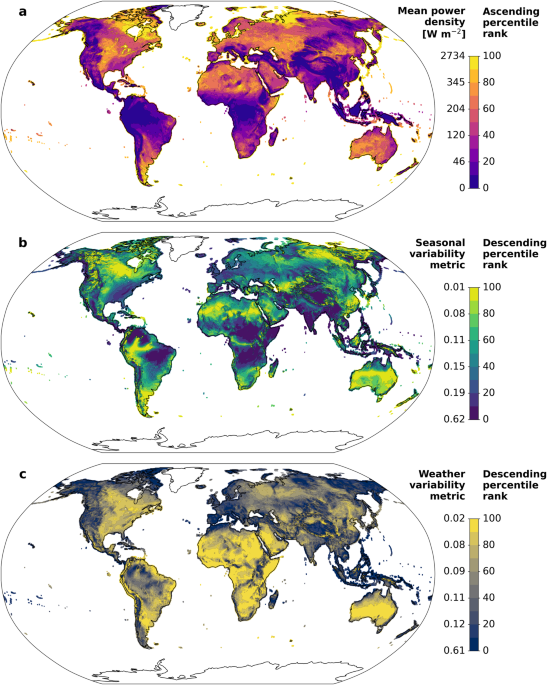
Identification of reliable locations for wind power generation through a global analysis of wind droughts - Communications Earth & Environment
Because of high weather variability, European sites experience more frequent and prolonged wind droughts than other world regions where power densities are high, with impacts on wind power generation, according to statistical analysis of historical weather data.
 www.nature.com

What Europe’s exceptionally low winds mean for the future energy grid
‘Wind droughts’ are extreme weather events too – and we need to plan for them.
 theconversation.com
What Europe’s exceptionally low winds mean for the future energy grid
Dear "expert on wind turbines", wind turbines rotate to face the wind.Your source is decieving, it says can. It does not say it does. Nowhere does the wind blow in one direction 90% of the time
Are you shitting me. You actually believe wind turbines face in a fixed direction. Allow me to present my 4th grader next door who knows better.Big difference crick. This has been discussed here on usmb and it is discussed all across the world.
I fully admit the website likely has a pro-wind-turbine bias but its still infinitely better than the NO-LINKS-REQUIRED position you take.no modern wind turbine has wins, 90% of the year
And because you almost NEVER post supporting links, we are left to assume EVERYTHING you post was pulled directly from your anal orifice.Just cause you link dont mean ypu are not posting lies
The world, Europe included, is still building and installing wind turbines and doing so to REPLACE coal, petroleum and natural gas power plants.Identification of reliable locations for wind power generation through a global analysis of wind droughts - Communications Earth & Environment
Because of high weather variability, European sites experience more frequent and prolonged wind droughts than other world regions where power densities are high, with impacts on wind power generation, according to statistical analysis of historical weather data.What Europe’s exceptionally low winds mean for the future energy grid
‘Wind droughts’ are extreme weather events too – and we need to plan for them.What Europe’s exceptionally low winds mean for the future energy grid
The #1 goal is to eliminate CO2 emissions. That their are costs involved is suborned to the need to address global warming.
Last edited:
elektra
Diamond Member
- Thread starter
- #276
WInd turbines lag, when adjusting to wind direction. WInd gusts, direction, changes rapidly. Much faster than wind turbine are engineered to react to.Dear "expert on wind turbines", wind turbines rotate to face the wind.
Yes, go ask your 4th grade neighbor so that he can educate you with his kite flying and wind wheel spinner toy.
Rapid wind direction changes always result in down time, no electricity being produced. Something crick is missing when crick was multiplying 5 times infinity.
elektra
Diamond Member
- Thread starter
- #277
Crick you responded to my post with 2 linksI fully admit the website likely has a pro-wind-turbine bias but its still infinitely better than the NO-LINKS-REQUIRED position you take.
Crick, when you decide to be a slimy filthy liar you should do so when responding to a post that does not easily show crick is a liar
elektra
Diamond Member
- Thread starter
- #278
I have thousands of links in these threads, crick. You know it, crick doubling down on crick's slimy liesAnd because you almost NEVER post supporting links, we are left to assume EVERYTHING you post was pulled directly from your anal orifice.
The only thing I pull out of my, "anal orfice," is your tongue crick. I dont like your perverted homosexuality.
elektra
Diamond Member
- Thread starter
- #279
The goal of eliminating Co2 emissions is proven false by the endless manufacturing of inefficient, largely non operational wind turbinesThe #1 goal is to eliminate CO2 emissions. That their are costs involved is suborned to the need to address global warming.
That you should call yourself an expert on wind turbines just boggles the ******* mind.WInd turbines lag, when adjusting to wind direction. WInd gusts, direction, changes rapidly. Much faster than wind turbine are engineered to react to.
He will educate YOU with the commonly known tidbit that wind turbines can rotate to face the wind. They they don't do so in seconds is simply a matter of scale. And if you want to see the rate at which wind direction changes.Yes, go ask your 4th grade neighbor so that he can educate you with his kite flying and wind wheel spinner toy.
Birds successfully migrate thousands of miles, sailing ships navigate the world and wind turbines are able to efficiently cope with changing wind direction. It is amazing how often you fail to do anything but demonstrate your ignorance in a field in which you've now repeatedly claimed expertise.
How much time have you spent a few hundred feet above the midwestern plains or a few miles off the coast? Gusts are primarily the product of turbulence caused by ground topography and surface obstructions. Aloft, where the wind turbines hang out, the wind is faster and far more steady.Rapid wind direction changes always result in down time, no electricity being produced. Something crick is missing when crick was multiplying 5 times infinity.
Similar threads

- Replies
- 48
- Views
- 764


- Locked
- Replies
- 2
- Views
- 357


New Topics
-
 US judge orders Trump administration to explain tarp obscuring Kennedy Center facade
- Started by C_Clayton_Jones
- Replies: 0
-
 Poll: Republican Support for Trump Iran Deal Drops After Details Emerge
- Started by Crepitus
- Replies: 0
-

-

-
Judge tosses DOJ lawsuit against 4 New Jersey 'sanctuary cities'
- Started by C_Clayton_Jones
- Replies: 2


