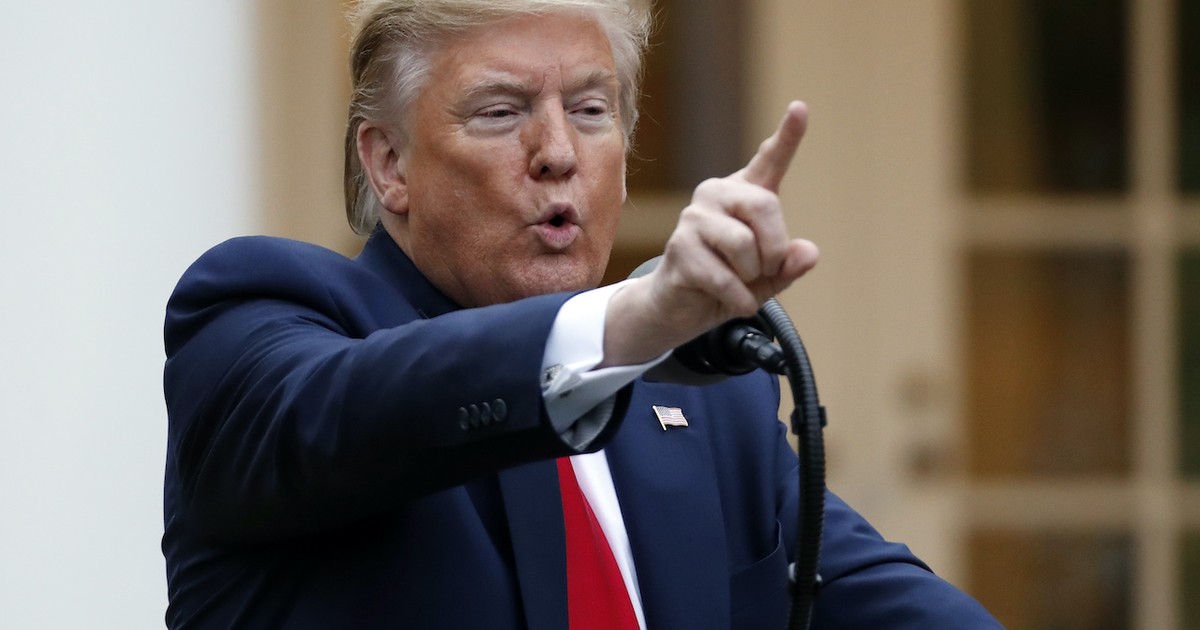
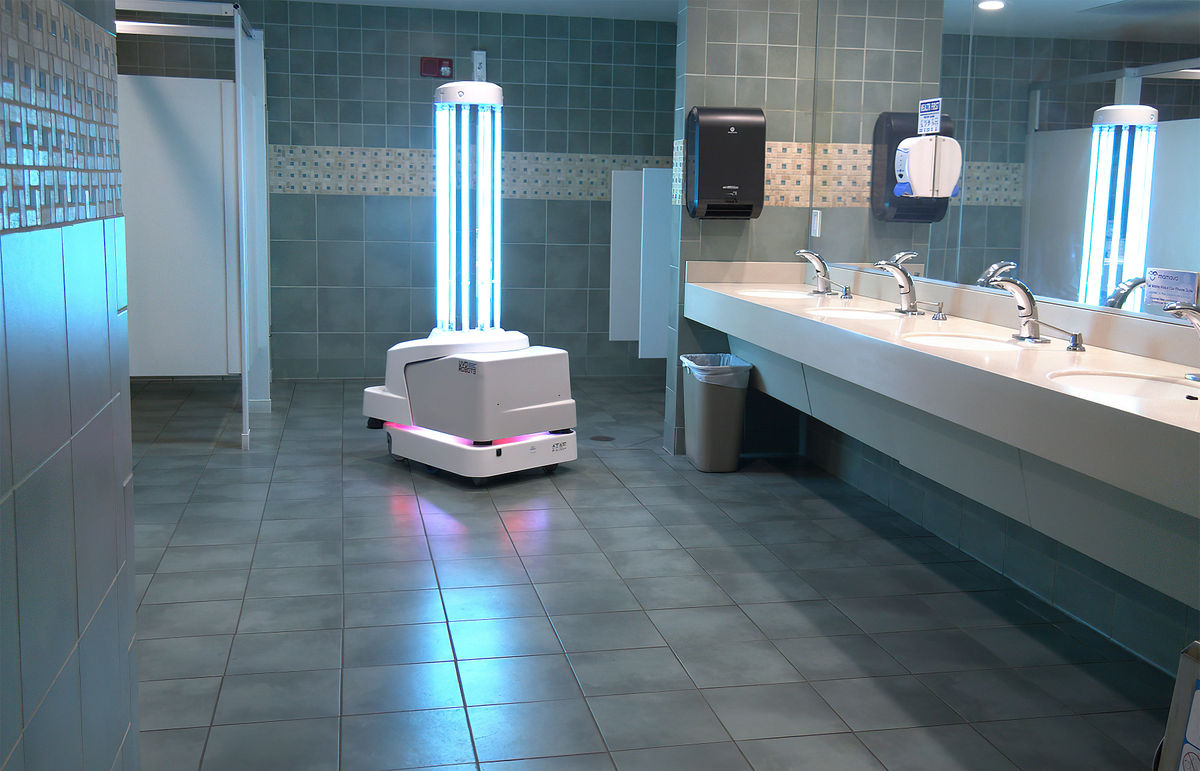
From these results of both in-vitro and in-vivo testing on human cells and rats, researchers were able to come to one conclusion, which is, as the study put it, that “these findings suggest that, under specific conditions, UVA reduces various pathogens including coronavirus-229E, and may provide a safe and effective treatment for infectious diseases of internal viscera.” To put it more simply, in a shocking turn of events, internal UV light for coronavirus might just be an effective treatment as Trump once suggested and was then ridiculed for.
Now, the question must be asked. Does this have any practical uses in treating coronavirus, and has anyone created a realistic way of harnessing this treatment outside of a tightly controlled lab environment? The answer to both of those questions might be yes. One possible tool for harnessing this treatment was patented by
Aytu BioScience, a small specialty pharmaceutical company, in partnership with the Cedars-Sinai Medical Center in Los Angeles. The product, which is being referred to as the Healight Platform Technology, is a small catheter that can be inserted down the throat of an intubated critically ill coronavirus patient. When turned on, the Healight will presumably begin killing the coronavirus that has infected the lungs. While the device itself is not yet FDA approved, Aytu BioScience has indicated that it is seeking accelerated approval so that it might be used to potentially save the lives of critical coronavirus patients. If the Healight proves effective, it might just change the game when it comes to advanced coronavirus treatment.