PBS Newshour: Are Wind Turbine Rare Earth Minerals Too Costly for Environment?
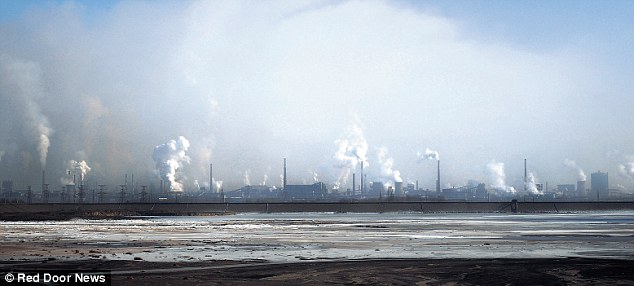
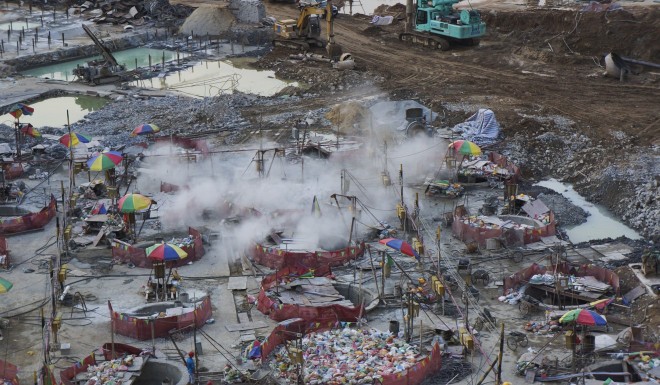
LINDSEY HILSUM: It doesn't look very green. Rare earth processing in China is a messy, dangerous, polluting business. It uses toxic chemicals, acids, sulfates, ammonia. The workers have little or no protection.
But, without rare earth, Copenhagen means nothing. You buy a Prius hybrid car and think you're saving the planet. But each motor contains a kilo of neodymium and each battery more than 10 kilos of lanthanum, rare earth elements from China.
Green campaigners love wind turbines, but the permanent magnets used to manufacture a 3-megawatt turbine contain some two tons of rare earth. The head of China's Rare Earth Research Institute shows me one of those permanent magnets. He's well aware of the issues.
ZHAO ZENGQI, Baotou Rare Earth Research Institute: The environmental problems include air emissions with harmful elements, such as fluorine and sulfur, wastewater that contains excessive acid, and radioactive materials, too. China meets 95 percent of the world's demand for rare earth, and most of the separation and extraction is done here. So, the pollution stays in China, too.
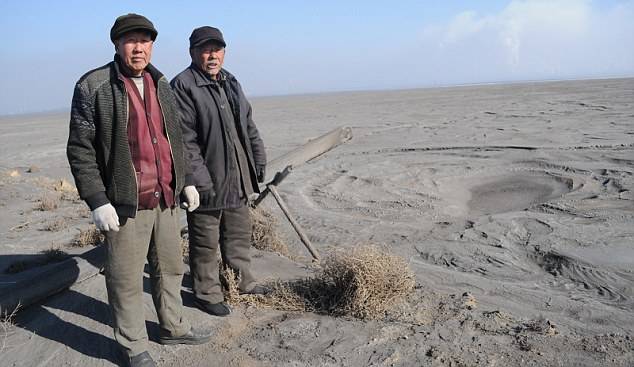
WANG CUN GUANG, farmer: The Baotou Environmental Protection Bureau tested our water, and they concluded that it wasn't fit for people or animals to drink or for irrigation.
LINDSEY HILSUM: For those who remember the old life, it's hard to understand. The authorities pay compensation, acknowledging that the land has been ruined, but they haven't yet relocated the villagers.
JIA BAO CHENG, farmer: Rare earth is the country's resource, but small people like us need to eat, too. We live on farming, but the crops no longer grow, and we will go hungry.