
The Duke
Diamond Member
- Jul 30, 2022
- 45,277
- 58,690
- 3,488
Oh, is that so? How?As usual, the reprehensible right attempts to defend the indefensible.
Follow along with the video below to see how to install our site as a web app on your home screen.
Note: This feature may not be available in some browsers.
Oh, is that so? How?As usual, the reprehensible right attempts to defend the indefensible.

One of the guys that helped created the mrna vaccine, said it wasn't safe.Not safe?
Nothing in life is perfect. mRNA has been approved by the FDA. Yes, there are some negatives but also some very strong positives. It is a matter for doctors to prescribe it to their patients and not RFK to decide that.

LOL. I'm confused. I thought your side was against Big Pharma? Aren't they rich enough off the backs of the 99 percenters that they don't need government funding? Why do you support government funding to the one percenters?RFK Jr. pulls $500 million in funding for vaccine development
WASHINGTON (AP) — The Department of Health and Human Services will cancel contracts and pull funding for some vaccines that are being developed to fight respiratory viruses like COVID-19 and the flu.
Robert F. Kennedy Jr. announced in a statement Tuesday that 22 projects, totaling $500 million, to develop vaccines using mRNA technology will be halted.
Here we go with RFK showing his "TRUE" colors. Vaccines be damned, meaning less protection from viruses for all Americans.
I guess Covid was not a lesson learned!
View attachment 1145684
My Side? Which side you think I belong to? Could "no side" be the answer? I am an independent, did you not know that?LOL. I'm confused. I thought your side was against Big Pharma? Aren't they rich enough off the backs of the 99 percenters that they don't need government funding? Why do you support government funding to the one percenters?
One of the guys that helped created the mrna vaccine, said it wasn't safe.
You are an independent like Bernie Sanders is an independent. And, yes, I knew you were another Bernie Sanders. But, back to the question, if Big Pharma is so rich off the backs of the 99 percenters, why should the government be sending them large checks? Why can't they use their own greedy money for the vaccines, of which they are going to charge Americans or their insurance companies for anyway?My Side? Which side you think I belong to? Could "no side" be the answer? I am an independent, did you not know that?
I am for doing things in the best way possible, with the least pain and most benefits that reality can offer...............no matter the side.
Then again and realizing that this might be something you do not fully understand, nothing is ever perfect. If you look at any side, you can always something to criticize i everything and everyone. It is human nature to be fallible (not perfect).
What you look for is the side that has more pluses than minuses and chose them, but even them, it needs to be understood that you will get both (pluses and minuses) in the end.
Any questions? Yes, one question..........."what was the death rate of children under 2 years of age before vaccines were invented?
You mean to say that you believe the government should not be involved at all? That they should Big Pharma be allowed to do what they want? That the FDA is not important? that regulations are not important?You are an independent like Bernie Sanders is an independent. And, yes, I knew you were another Bernie Sanders. But, back to the question, if Big Pharma is so rich off the backs of the 99 percenters, why should the government be sending them large checks? Why can't they use their own greedy money for the vaccines, of which they are going to charge Americans or their insurance companies for anyway?
Link? Proof that supports your statement? One person (Paul Thomas) is the expert on this and everyone else is wrong?One physician who kept such records and went public was Paul Thomas in Oregon or Washington. He was punished by loss of license I think.
There have been others too.
Are you blind? I said if Big Pharma are one percenters getting rich off the backs of the 99 perncenters, then why should the government be sending them big checks for vaccines when Big Pharma is already rich to begin with and will get richer charging money to Americans and their insurance companies for the vaccines? That's what they do. They spend 500 million on vaccine research and then sell one billion dollars of vaccines to the world, making a 500 million dollar profit. And yet you want the government to fund that original 500 million so Big Pharma can make a full one billion dollar profit. Why?You mean to say that you believe the government should not be involved at all? That they should Big Pharma be allowed to do what they want? That the FDA is not important? that regulations are not important?
Oh, by the way. see this information and tell me that big pharma is not needed!!
- Before the 20th century:
- In the 1800s, up to 30% of children died before their first birthday.
- In 1900, the infant mortality rate was 157.1 deaths per 1,000 live births.
- In the early 1900s, approximately 100 infants died before age 1 year for every 1000 live births in the United States.
- The child mortality rate (under 5 years) in the United States in 1800 was 462.9 deaths per thousand births.
- Major causes of death: Infectious diseases like pneumonia, diphtheria, dysentery, measles, and others, were a leading cause of child mortality in the 19th and early 20th centuries.
- Impact of vaccines:Vaccines, along with other advances like improved sanitation and healthcare, have drastically reduced infant and child mortality rates over the past century.
- Vaccines are estimated to have accounted for 40% of the decline in infant mortality over the last 50 years.
You might be a lucky one, but with this post you cannot be taken seriously. Do you work for Pfizer?
From Google AI to ANSWER your questionAre you blind? I said if Big Pharma are one percenters getting rich off the backs of the 99 perncenters, then why should the government be sending them big checks for vaccines when Big Pharma is already rich to begin with and will get richer charging money to Americans and their insurance companies for the vaccines? That's what they do. They spend 500 million on vaccine research and then sell one billion dollars of vaccines to the world, making a 500 million dollar profit. And yet you want the government to fund that original 500 million so Big Pharma can make a full one billion dollar profit. Why?
LOL. I was asking you, not google. Aren't you against Big Pharma?From Google AI to ANSWER your question
- AI Overview
Governments frequently provide funding to vaccine makers, even those with substantial profits, for several reasons:However, the practice of funding profitable pharmaceutical companies, especially vaccine makers, has also drawn criticism.
- Public health priority: Vaccines are considered a crucial public good, essential for protecting populations from infectious diseases and preventing epidemics. Ensuring continued vaccine development and availability is seen as vital for national and global health security.
- Addressing market failures and incentivizing development:The private sector alone may underinvest in vaccine development and production due to factors like:
- High research and development costs.
- Significant risks associated with clinical trials and regulatory approvals.
- Uncertainties about market demand and potential returns on investment.
- Inability of firms to fully capture the widespread societal benefits of vaccines.
- Accelerating vaccine development and manufacturing during crises: During public health emergencies like the COVID-19 pandemic, government funding and advance purchase commitments played a critical role in accelerating the development, testing, and production of vaccines. This included investments in research, manufacturing capacity, and securing supplies of essential materials.
- Ensuring equitable access and affordability: Government funding can be used to subsidize vaccine costs, making them more affordable and accessible to the public, particularly for vulnerable populations and lower-income countries. This can help improve immunization rates and reduce health disparities.
- Encouraging competition and innovation: While potentially controversial, some argue that government subsidies can foster competition among vaccine producers and encourage investment in developing new and improved vaccine technologies.
- Building on prior investments in basic research: Long-term government investments in basic scientific research at institutions like the National Institutes of Health (NIH) lay the groundwork for vaccine development by funding foundational innovations in areas like mRNA technology. These earlier investments can be leveraged during times of crisis to accelerate the development of new vaccines.
In essence, government funding for vaccine makers represents a balancing act between encouraging innovation, ensuring a stable and accessible vaccine supply, and addressing concerns about fairness and affordability.
- Some argue that pharmaceutical companies' high profits and focus on shareholder enrichment suggest they may not require additional government funding, according to peoplesmedicines.org.
- There are concerns that such funding may lead to inflated prices and hinder equitable access, particularly when publicly funded research contributes significantly to vaccine development.
- The argument is also made that government action should focus on ensuring that publicly funded research benefits people first, rather than disproportionately enriching corporations.

GIGO forever.From Google AI to ANSWER your question
- AI Overview
Governments frequently provide funding to vaccine makers, even those with substantial profits, for several reasons:However, the practice of funding profitable pharmaceutical companies, especially vaccine makers, has also drawn criticism.
- Public health priority: Vaccines are considered a crucial public good, essential for protecting populations from infectious diseases and preventing epidemics. Ensuring continued vaccine development and availability is seen as vital for national and global health security.
- Addressing market failures and incentivizing development:The private sector alone may underinvest in vaccine development and production due to factors like:
- High research and development costs.
- Significant risks associated with clinical trials and regulatory approvals.
- Uncertainties about market demand and potential returns on investment.
- Inability of firms to fully capture the widespread societal benefits of vaccines.
- Accelerating vaccine development and manufacturing during crises: During public health emergencies like the COVID-19 pandemic, government funding and advance purchase commitments played a critical role in accelerating the development, testing, and production of vaccines. This included investments in research, manufacturing capacity, and securing supplies of essential materials.
- Ensuring equitable access and affordability: Government funding can be used to subsidize vaccine costs, making them more affordable and accessible to the public, particularly for vulnerable populations and lower-income countries. This can help improve immunization rates and reduce health disparities.
- Encouraging competition and innovation: While potentially controversial, some argue that government subsidies can foster competition among vaccine producers and encourage investment in developing new and improved vaccine technologies.
- Building on prior investments in basic research: Long-term government investments in basic scientific research at institutions like the National Institutes of Health (NIH) lay the groundwork for vaccine development by funding foundational innovations in areas like mRNA technology. These earlier investments can be leveraged during times of crisis to accelerate the development of new vaccines.
In essence, government funding for vaccine makers represents a balancing act between encouraging innovation, ensuring a stable and accessible vaccine supply, and addressing concerns about fairness and affordability.
- Some argue that pharmaceutical companies' high profits and focus on shareholder enrichment suggest they may not require additional government funding, according to peoplesmedicines.org.
- There are concerns that such funding may lead to inflated prices and hinder equitable access, particularly when publicly funded research contributes significantly to vaccine development.
- The argument is also made that government action should focus on ensuring that publicly funded research benefits people first, rather than disproportionately enriching corporations.

Am I against Big Pharma? No!LOL. I was asking you, not google. Aren't you against Big Pharma?
Father was MD, raised 15 years in a drug store in pharmacy, Medical Service Corps in Army.What is your medical background? Doctor? Nurse?
Link? Proof that supports your statement? One person (Paul Thomas) is the expert on this and everyone else is wrong?
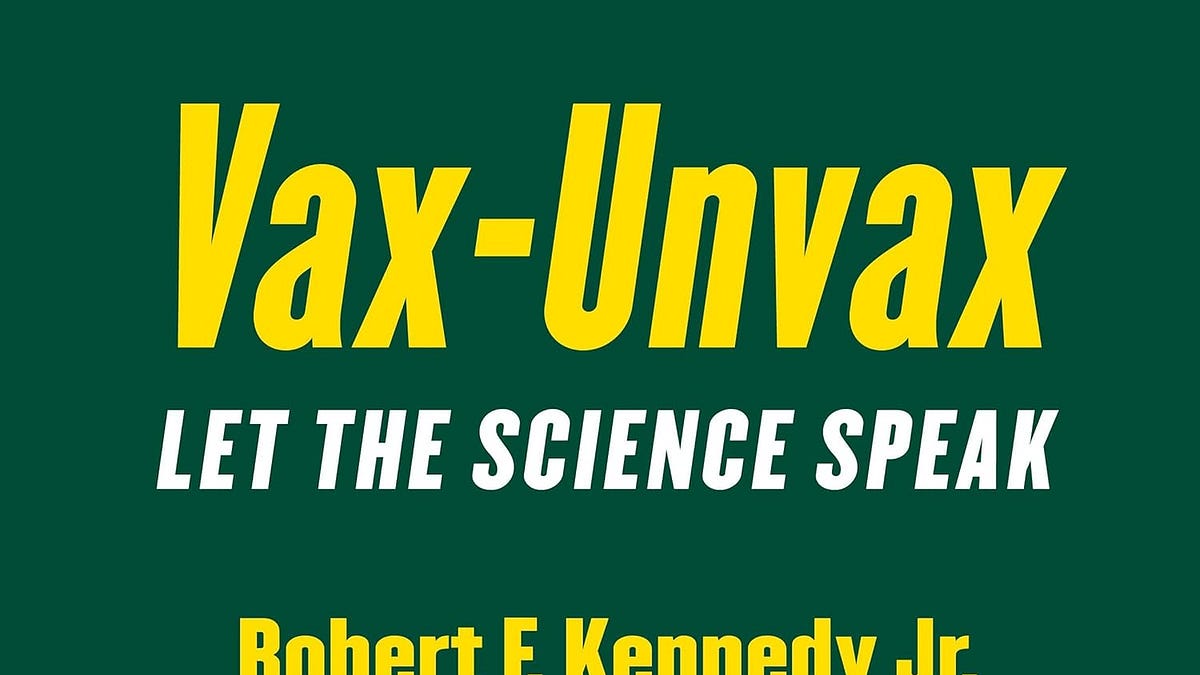
 kirschsubstack.com
A newsletter is your link to data, statistics and facts? Hahahahaha9 studies vaxxed vs. unvaxxed, all published in the peer-reviewed literature, show vaccinated are worse off in every measure
Here are the 9 studies from Vaxxed-Unvaxxed, thanks to Brian Hooker. 100% show your kids are far better off avoiding all vaccines. Where's the science showing the opposite? Nowhere to be found!


