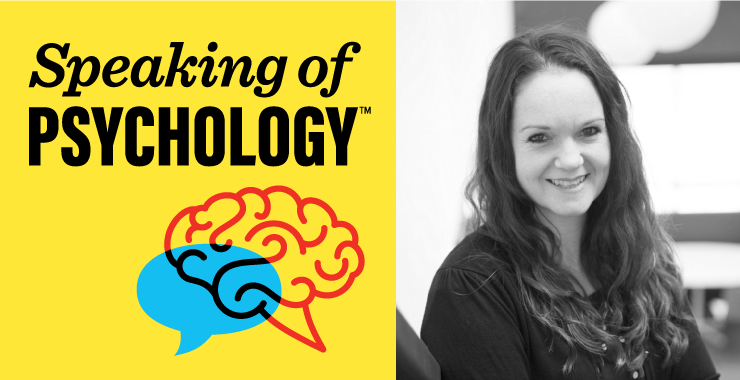
Karen Douglas, PhD, discusses psychological research on how conspiracy theories start, why they persist, who is most likely to believe them and whether there is any way to combat them effectively.

www.apa.org
Everybody does it at some point in time. Here are some good answers as to why, and also some answers on why people feel the need to promote and believe in conspiracy theories.
And much more!
Nobody wants to appear guilty of promoting conspiracy theories and so they invariably believe their personal conspiracy theories are the true account.
Can a few answers, as are contained in this piece serve to dissaude some from promoting the own conspiracy theories?
note to moderator: I was just about to post the personal content. Sorry for the delay,
Pretty interesting stuff, particularly the part about how the internet
may not be a driving force. I assumed that the internet would have been at the top of the list. Perhaps the internet, rather than
driving conspiracy theories, keeps them
organized for people and makes them more vivid and (somehow) more believable.
Clearly, people who fall into conspiracy theories are filling some kind of psychological and/or emotional need. She talks about how both narcissism and a feeling of powerlessness (a pretty interesting combination) both play a role. Maybe those two qualities combine to create this profound paranoia that's also a part of it.
A pronounced lack of critical thinking has to be a part of this, as well. These people clearly don't intellectually challenge these ideas; they just buy into them, and off they go. That would make sense, since so many have been conditioned to believe what they're told, particularly that which makes them more paranoid.