Violent crime increased by 6.7 percent last year, rising to 193,542 cases from 181,386 cases in 2015. There was a similar increase in drug-related crime, which rose by 7.1 percent to 302,594 cases in 2016. Perhaps more worryingly, the rise in weapons-related crime was more than double that - up 14.8 percent to 34,443 cases. Nevertheless, the overall statistics showed only a slight increase in crime - up by just 0.7 percent from 2015 to 2016 - or 6.37 million cases in total, and there was a notable drop of 4.4 percent in the rate of theft.
The reported rates of assault, murder, manslaughter and rape all went up last year in Germany. De Maiziere described the developments as worrying, and blamed it on an overall "coarsening" in society. He pointedly refused
to blame last year's influx of refugees - or any particular group - for the problem, and said the statistics bore him out. "We are dealing with a rise in hate, lack of respect and violence in general," the minister told reporters. "We would
not reduce that to any particular group - whether left, right, or foreigners."
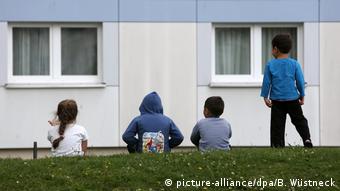
Attacks on asylum-seekers' homes have dropped slightly
Crime among asylum-seekers
Nevertheless, one statistic stuck out in the report - while police had registered only 114,000 criminal incidents among asylum-seekers and refugees in 2015, there were 174,000 in 2016. "Among the violent crimes, there were 1 percent more Germans, but 90 percent more migrant suspects," de Maiziere said - before adding that many of these crimes took place among the asylum-seekers themselves inside shelters.
This is thru 2016, and it is reported it will drop again for 2017-
View attachment 184669
And this is from the Brennan Center,
Year-End Analysis: Crime and Murder Down in 2017
“Once again crime rates remain near historic lows. This is welcome news as 2017 comes to an end, and a clear indication that claims of rising crime are unfounded,” said
Ames Grawert, a counsel in the Brennan Center’s Justice Program. “However, there are some cities where violence has increased, and those concerning spikes need to be better understood and addressed.”
Key findings from the analysis include:
- The overall crime rate in the 30 largest cities in 2017 is estimated to decline slightly from 2016, falling by 2.7 percent.
- The violent crime rate will also decrease slightly, by 1.1 percent, essentially remaining stable.
- The 2017 murder rate in the 30 largest cities is estimated to decline by 5.6 percent. Large decreases this year in Chicago (down 11.9 percent) and Detroit (down 9.8 percent), as well as small decreases in other cities, contributed to this decline. New York City’s murder rate will also decline again, to 3.3 killings per 100,000 people.
- Some cities are projected to see their murder rates rise, including Charlotte (54.6 percent) and Baltimore (11.3 percent).
German violent crime has once again increased.
Homicide rate
US 4.88
Germany .85
Crime Threats
Crime rates throughout Germany have been comparable to those in most first-world countries, including the U.S., and comparative analysis of crime data for the U.S. and Germany reveals only marginal differences. Crimes, especially those targeting tourists, are as common as in any large European city. The Bundeskriminalamt’s (BKA) 2015 Police Crime Statistics indicated only minor changes in the number of most of the recorded offenses over 2014, with an increase of 4.1% overall. There was a 157% increase in “Aliens Act-related” crime. There were also marked increases in categories related to credit card fraud. While the 2016 crime statistics are not expected to be published until approximately May 2017, preliminary information indicates a 9.9% increase in residential burglaries.
Some observers have suggested that official statistics may not always provide an accurate accounting of the level of crime. Not all crimes reported to the police are captured in the form of an actual police report. It is common to hear of police dissuading victims from making formal reports citing little chance of capturing the suspect. Such a practice may create a disincentive to report criminal activity.
There have also been reports of crimes, in effect, being de-criminalized due to their frequency and impact on resources. One such report involved a community declaring that petty crimes (shoplifting) would not be investigated by the authorities. Another possible example involves the 2015 New Year’s celebration in Cologne that lead to more than 1,500 crimes recorded by police. There were extensive media reports that not all of those reported crimes were reported in police statistics.
Outspoken representatives of police unions have stated the number of crimes is often drastically under-reported. In 2015, the head of the Bund Deutscher Kriminalbeamter (German Detective Union) accused politicians of “leaving the public in the dark as to the true level of criminality.” He claimed that 75% of domestic burglaries were reported and that sex crimes and cybercrimes were under-reported.
Germany 2017 Crime & Safety Report: Berlin
2. More violent crimes, fewer break-ins
As German media outlets
reported last week ahead of the official report's release, the figures for 2016 showed an increase in violent crime and a decrease in home break-ins.
Murder and homicide increased by 14.3 percent, while rape and sexual assault rose by 12.8 percent.
5 things we learned from the latest German national crime report


