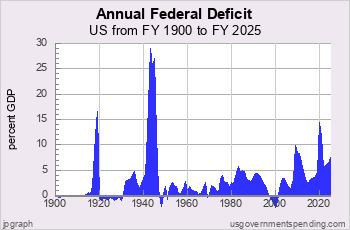
. "There are actually a few ways of tabulating the debt. One is public debt, which includes all debt borrowed by the federal government and held by investors through Treasury notes and other securities. Another is gross federal debt, which includes public debt plus debt held by the government. The most notable forms of debt held by the government are the trust funds for Social Security and Medicare, money which is owed to beneficiaries in the future."
You are citing gross debt figures which do not refute the real surpluses that Clinton achieved. Here's why you are baffled:
. "The discrepancy between the two concepts of federal debt in these years occurred because of program surpluses and the rapid growth of reserves held by the various trust fund accounts, such as Social Security," said Brookings Institution economist Gary Burtless. Social Security surpluses don't go into a "lock box" but are instead invested in government bonds; the proceeds of these purchases go into the general treasury, and when the bonds mature, the treasury is obligated to pay back the Social Security trust both principal and interest.
"The growth of these surpluses meant the rest of the federal government did not have to issue as much debt to the public," Burtless said. "In fact, the federal government paid off more of its old debt than it issued new debt to the public. Therefore, net federal debt held by the public declined."
So, is there any reason to prefer any single measurement? On this question, we couldn't find a clear consensus.
The Congressional Budget Office wrote in a 2009 report that government-held debt, such as the Social Security trust fund, "has no direct, immediate impact on the economy. Instead, it simply represents credits to the various government accounts that can be redeemed as necessary to authorize payments for benefits or other expenses." By contrast, CBO wrote, "long-term projections of federal debt held by the public, measured relative to the size of the economy, provide useful yardsticks for assessing the sustainability of fiscal policies."