Navigation
Install the app
How to install the app on iOS
Follow along with the video below to see how to install our site as a web app on your home screen.
Note: This feature may not be available in some browsers.
More options
Style variation
You are using an out of date browser. It may not display this or other websites correctly.
You should upgrade or use an alternative browser.
You should upgrade or use an alternative browser.
Obama-backed $2.2B green energy 'boondoggle' leaves taxpayers on the hook
- Thread starter Hafar1014
- Start date

ColonelAngus
Diamond Member
- Feb 25, 2015
- 70,349
- 80,606
- 3,615
Lefties, NO ONE IS MAKING YOU USE FOSSIL FUELS.
STOP USING EVERYTHING THAT CONTAINS PETROLEUM.
JUST PHUCKING DO IT, YOU PHUCKING FRAUDS.
STOP USING EVERYTHING THAT CONTAINS PETROLEUM.
JUST PHUCKING DO IT, YOU PHUCKING FRAUDS.
Last edited:

Moonglow
Diamond Member
The whole direction of their actions was in the Energy Policy Act of 2005. Why do you think Bush wanted alternative forms of energy?Yes it saves us in the long run. Thank the contracts under Biden and Obama fir that fee

Marener
Diamond Member
- Jul 26, 2022
- 64,979
- 27,579
- 2,173
Oh man. If you think that’s bad, wait until you hear about fossil fuels.Wind Turbines are a disaster, they kill animals pollute the air with carbon fibers, cost too much, and fall apart in 10 years. And theyre ugly too. They are a monument to progressive stupidity
Good job Q-NUT.Paying someone from a job is wages…earned pay.
Rent on a lease?Yes, we reimbursed them for the rent they paid on the lease we canceled
Holy FUK?
$2 billion?
Your dear leader is awful generous with other people's $$$.
LOL.Holy shit! You don’t know what a reimbursement is! How old are you? Have you ever left your parents? It’s clear you’ve never experienced the real world
Yes he is….he reimburses them their moneyGood job Q-NUT.
Rent on a lease?
Holy FUK?
$2 billion?
Your dear leader is awful generous with other people's $$$.
LOL.
LOL.Yes he is….he reimburses them their money
That would be a first for the orange grifter.
Of course, as usual..............It's not his $$$.
Geez man you posted the link showing he did it!LOL.
That would be a first for the orange grifter.
Of course, as usual..............It's not his $$$.
Moonglow
Diamond Member
Your theme seems to be to deny anything and lie about a demographic group. Feel proud?The democrat theme fail lie deny blame
The Energy Policy Act of 2005 (Pub. L. 109–58) is a U.S. federal law signed by President George W. Bush on August 8, 2005, aimed at combating energy problems through tax incentives, loan guarantees, and increased efficiency standards. It promoted energy diversity, including fossil fuels, nuclear, and renewable energy, while significantly increasing mandated ethanol production and strengthening energy infrastructure. [1, 2, 3, 4]
Key Provisions of the Act
- Renewable Energy & Efficiency:Promoted renewable energy production, including wind and solar, through tax incentives and mandated renewable energy use in federal buildings. It established new energy efficiency standards for appliances and commercial equipment.
- Oil and Gas Production: Encouraged domestic production, particularly on federal lands, by providing incentives and reducing royalties for marginal wells.
- Ethanol Mandate: Required increased production of ethanol to be blended with gasoline, a major shift in fuel policy.
- Nuclear Matters: Provided incentives for new nuclear power plants, including loan guarantees and protection against regulatory delays.
- Electricity Grid Reliability: Repealed the Public Utility Holding Company Act of
- 1935 (PUHCA) and authorized the creation of an electric reliability organization to enforce mandatory grid standards.
- Coal and Energy R&D: Authorized funding for clean coal power initiatives and various research and development programs for energy technologies.
- Energy Conservation: Provided tax credits for consumers making energy-efficient improvements to homes, such as installing solar panels, fuel cells, or energy-efficient appliances. [1, 2, 3, 4, 5, 6, 7]
Key Impacts and Outcomes- Increased Biofuels: The Renewable Fuel Standard (RFS) introduced by the act significantly increased the amount of ethanol mixed into gasoline.
- Energy Infrastructure: The law led to increased investment in energy infrastructure and encouraged the development of new energy projects, particularly wind and geothermal.
- Regulatory Changes: The Federal Energy Regulatory Commission (FERC) gained enhanced authority to oversee energy markets and infrastructure.
- Federal Energy Management: Set goals for federal agencies to reduce energy consumption. [1, 2, 3, 4, 5]
Marener
Diamond Member
- Jul 26, 2022
- 64,979
- 27,579
- 2,173
Coal is very costly, highly polluting, and doesn’t just kill birds, it kills people!Low cost reliable can meet demand love them drill baby drill
Yet MAGA wants us to use the oldest and nastiest form of energy production for political reasons.
And we haven’t even touched on CO2.

j-mac
Nuthin' but the truth
Not in Cali they don’t…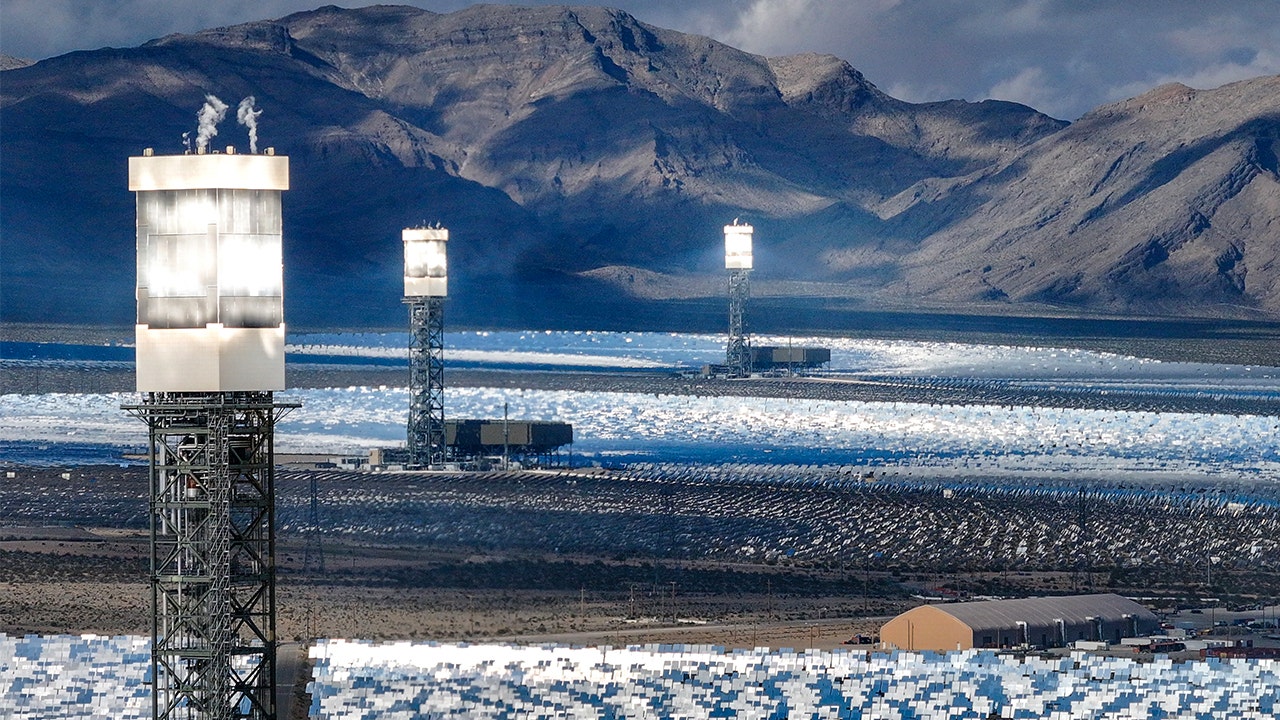
Obama-backed $2.2B green energy 'boondoggle' leaves taxpayers on the hook
Taxpayers and electricity customers face a costly standoff over the Ivanpah solar plant as California regulators block all efforts to shut it down.www.foxnews.com
Here we go again another solar energy business driving up the cost going broke and democrats wanst to keep it going. Where ese but in Calif.
But California regulators have refused to allow it to close, warning that closing the plant could strain the power grid.
The result is a costly standoff rooted in years of government decisions: shutting it down could leave taxpayers responsible for hundreds of millions of dollars tied to a $1.6 billion federal loan, while keeping it open means higher electricity costs for consumers.
"This project makes no economic sense to keep afloat, and the market itself has shown that," Daniel Turner, founder of the energy advocacy group Power The Future, told Fox News Digital.
"This is a boondoggle, like most of California's large projects are a boondoggle," he said, arguing it is being kept alive for political reasons, with costs ultimately passed on to customers.
"At some point, you have to stop throwing good money after bad," he added.
j-mac
Nuthin' but the truth
Then stop breathing, do your part.Coal is very costly, highly polluting, and doesn’t just kill birds, it kills people!
Yet MAGA wants us to use the oldest and nastiest form of energy production for political reasons.
And we haven’t even touched on CO2.
Marener
Diamond Member
- Jul 26, 2022
- 64,979
- 27,579
- 2,173
You missed the point about coal being toxic, expensive and dumb.Then stop breathing, do your part.
Yet MAGA is obsessed with it and forces it down our throats anyway.
For political reasons.

Hafar1014
Diamond Member
- Sep 1, 2010
- 17,436
- 15,043
- 2,278
- Thread starter
- #36
Renewable energy cant meet demand of AI and data banks. It never will. Its driving manufacturing out of Europe and they are coming here. Bill Gates is restarting 3 mile island next year. Fossil fuels and nuclear are the future. Renewables will wreck the economy just like whats happening in CA.Your theme seems to be to deny anything and lie about a demographic group. Feel proud?
The Energy Policy Act of 2005 (Pub. L. 109–58) is a U.S. federal law signed by President George W. Bush on August 8, 2005, aimed at combating energy problems through tax incentives, loan guarantees, and increased efficiency standards. It promoted energy diversity, including fossil fuels, nuclear, and renewable energy, while significantly increasing mandated ethanol production and strengthening energy infrastructure. [1, 2, 3, 4]
Key Provisions of the Act
- Renewable Energy & Efficiency:Promoted renewable energy production, including wind and solar, through tax incentives and mandated renewable energy use in federal buildings. It established new energy efficiency standards for appliances and commercial equipment.
- Oil and Gas Production: Encouraged domestic production, particularly on federal lands, by providing incentives and reducing royalties for marginal wells.
- Ethanol Mandate: Required increased production of ethanol to be blended with gasoline, a major shift in fuel policy.
- Nuclear Matters: Provided incentives for new nuclear power plants, including loan guarantees and protection against regulatory delays.
- Electricity Grid Reliability: Repealed the Public Utility Holding Company Act of
- 1935 (PUHCA) and authorized the creation of an electric reliability organization to enforce mandatory grid standards.
- Coal and Energy R&D: Authorized funding for clean coal power initiatives and various research and development programs for energy technologies.
- Energy Conservation: Provided tax credits for consumers making energy-efficient improvements to homes, such as installing solar panels, fuel cells, or energy-efficient appliances. [1, 2, 3, 4, 5, 6, 7]
Key Impacts and OutcomesThe Act was a comprehensive attempt to address energy security and promote diverse energy sources, influencing US energy policy for over a decade. [1, 2, 3]
- Increased Biofuels: The Renewable Fuel Standard (RFS) introduced by the act significantly increased the amount of ethanol mixed into gasoline.
- Energy Infrastructure: The law led to increased investment in energy infrastructure and encouraged the development of new energy projects, particularly wind and geothermal.
- Regulatory Changes: The Federal Energy Regulatory Commission (FERC) gained enhanced authority to oversee energy markets and infrastructure.
- Federal Energy Management: Set goals for federal agencies to reduce energy consumption. [1, 2, 3, 4, 5]
j-mac
Nuthin' but the truth
OverviewYou missed the point about coal being toxic, expensive and dumb.
Yet MAGA is obsessed with it and forces it down our throats anyway.
For political reasons.
Clean coal technology refers to a set of systems designed to reduce environmental damage from coal-fired power generation, primarily targeting CO2 emissions through Carbon Capture and Storage (CCS) and limiting pollutants like sulfur dioxide (\(SO_{2}\)) and nitrogen oxides (\(NO_{x}\)). Key methods include gasification, supercritical/ultra-supercritical combustion, and fluidized-bed combustion, which enhance efficiency and capture waste products. [1, 2, 3, 4, 5, 6]
Key Clean Coal Technologies:
- Carbon Capture and Storage (CCS): Captures \(CO_{2}\) emissions from power plants, storing them underground to prevent atmospheric release.
- Integrated Gasification Combined Cycle (IGCC): Turns coal into gas, removing impurities before combustion to improve efficiency.
- Supercritical & Ultra-supercritical Plants: Operate at higher pressures/temperatures than traditional plants, increasing efficiency to roughly 45% (vs. ~35% standard), allowing more electricity from less coal.
- Fluidized-bed Combustion (FBC): Burns pulverized coal mixed with limestone to capture sulfur emissions during the process rather than using external scrubbers.
- Flue-gas Scrubbers: Remove \(SO_{2}\) from exhaust gases. [1, 2, 3, 4, 5, 6]
- Pros: Reduces sulfur dioxide by 98%, particulates by 99.8%, and nitrogen oxides by 83% according to the Department of Energy (DOE). It offers a way to continue using coal in a lower-carbon manner.
- Cons: High initial investment (up to $2 billion per facility). These systems can be complex, and reducing emissions is energy-intensive, requiring more coal to be burned. [1, 2, 3, 4, 5]
- 'Clean Coal' Technologies, Carbon Capture & Sequestration
As many coal-fired power stations approach retirement, their replacement gives much scope for 'cleaner' electricity. Alongside nuc...
World Nuclear Association
- Clean Coal Technology - an overview | ScienceDirect Topics
Fluidized-bed combustion (FBC) system is a variation of PCC technology, in which coal is burned with air circulating through a bed...
ScienceDirect.com
- What is clean coal technology? - Science | HowStuffWorks
Carbon capture and storage — perhaps the most promising clean coal technology — catches and sequesters carbon dioxide (CO2) emissi...
HowStuffWorks
Moonglow
Diamond Member
Tell that to astronauts and their vehicles that use solar energy.Renewable energy cant meet demand of AI and data banks. It never will. Its driving manufacturing out of Europe and they are coming here. Bill Gates is restarting 3 mile island next year. Fossil fuels and nuclear are the future. Renewables will wreck the economy just like whats happening in CA.
Moonglow
Diamond Member
We should be utilizing every form of energy we can.
j-mac
Nuthin' but the truth
But that’s NOT what you people want…you tried to FORCE people to use exclusively green powered cars, by artificially driving up gas prices to over $5 a gallon, and introduce junk battery powered cars with NO charging stations in place. Biden said he was out to kill the oil industry, coal industry, and no plans for reliable replacement.We should be utilizing every form of energy we can.
Every form my ass.
Similar threads

- Replies
- 38
- Views
- 1K


- Replies
- 19
- Views
- 627


- Replies
- 34
- Views
- 858

New Topics
-

-
-
 Parents charged with murder in death of 7 year old, 255 lb. son.
- Started by odanny
- Replies: 2
-


