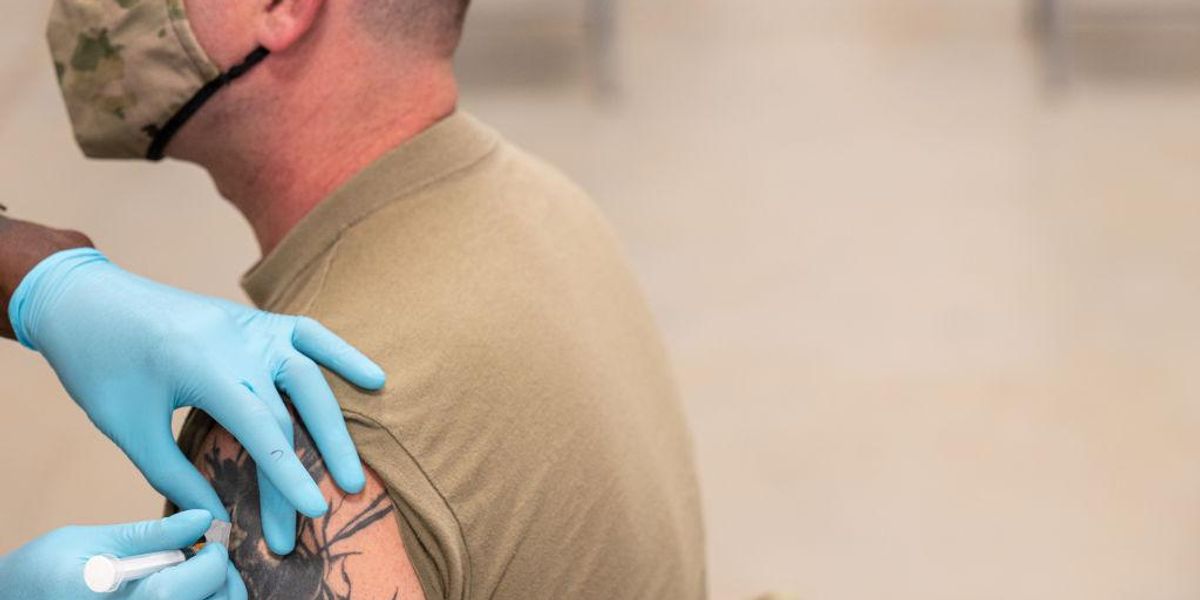
Not to mention the transplant team wouldn’t require it if they believed it to be a threat to his health. The whole point of requiring vaccines is to give the patient the best possible outcome from the procedure.
Been a policy for decades, a LOOOONG time ago, an alcoholic friend's dad got a liver transplant, a while later, started drinking again, they wouldn't even put him on the list.
You know what happened after that.
Look, these people are offering you something, they have rules, what if the same person, refused to take anti-rejection drugs, based on the same assumptions?
Tacrolimus decreases the activity of your immune system. This may increase the risk that you will get a serious infection.
While necessary to keep transplant patients alive, anti-rejection medications do come with a few potential side effects. This is especially true of the drug tacrolimus, which is one of the most common anti-rejection medications available. Because this medication suppresses the immune system, the patient has a higher risk of infections and infectious complications. The drug can also cause high blood pressure and gout, have adverse effects on kidney function, and potentially create blood cell issues.
When your immune system is not working normally, there may be a greater risk that you will develop cancer, especially lymphoma (a type of cancer that begins in the cells of the immune system).
The longer you take tacrolimus or other medications that decrease the activity of the immune system, and the higher your doses of these medications, the more this risk may increase.
If you experience any of the following symptoms of lymphoma, call your doctor immediately: swollen lymph nodes in the neck, armpits, or groin; weight loss; fever; night sweats; excessive tiredness or weakness; cough; trouble breathing; chest pain; or pain, swelling, or fullness in the stomach area.
That's a whole lot of side effects compared to a covid-19 vaccine, unless........................you listen to Rogan or the dentist.