
- Thread starter
- #21
2016 - 2020 yesIf there's just one thing certain about humans.......
They have a remarkable propensity to forget the past, and repeat the exact same dreaded and horrible mistakes time and time again.
Follow along with the video below to see how to install our site as a web app on your home screen.
Note: This feature may not be available in some browsers.
2016 - 2020 yesIf there's just one thing certain about humans.......
They have a remarkable propensity to forget the past, and repeat the exact same dreaded and horrible mistakes time and time again.

I addressed with the victims of Communism who can no longer speak for themselves.Failure to address the OP
No.Okay. Let us...
Yes. Yet we have all those who mourn living under communism. Not in theory, but in practice.It's also interesting that people living under Communism are routinely fleeing their native countries in an effort to sneak into free countries but nobody from a free country is sneaking into Communist countries. I wonder why that is?
Problem is, if they went back to Communism, they'd want Capitalism.
Such is the way people think.

Would that be the GOP Under MAGA?Stop being silly .
It is the very essence of Mind Control .
See Chapter one of " Mind Control simplified for Americans "
Oh please justI addressed with the victims of Communism who can no longer speak for themselves.


Unless, of course, they are from Central Asian villages. Then they are all welcome!ia. But Russia have strict anti-migrant laws

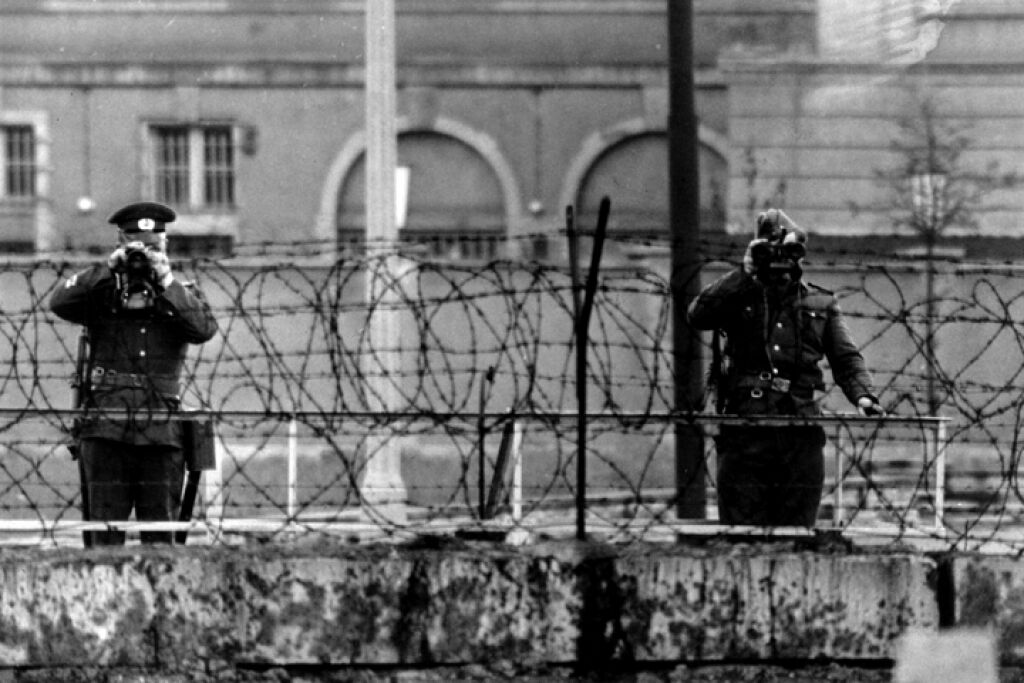
You upset because some people who actually lived under communist rule believe they were better off under it?wut?
your threads?

agreed
I doubt it. You have posted an article which contains no link to the poll.You upset because some people who actually lived under communist rule believe they were better off under it?
You find reality difficult to grasp?
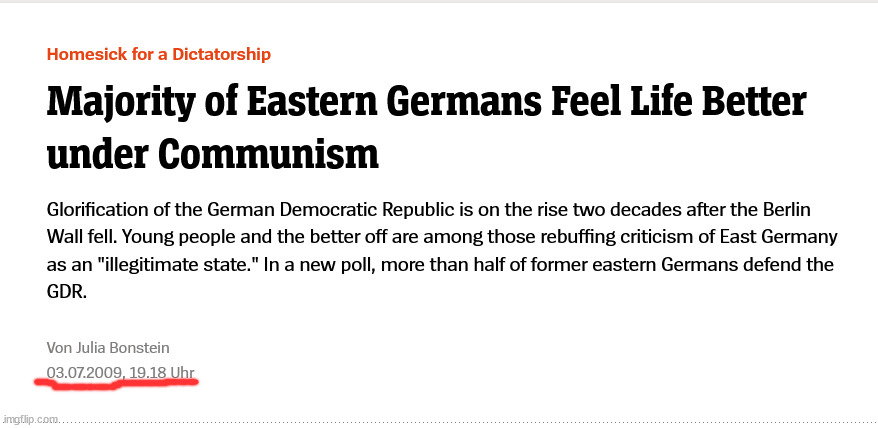
Sure, fifteen years ago.Majority of Eastern Germans Feel Life Better under Communism
I doubt it. You have posted an article which contains no link to the poll.
I cannot find what percentage of those polled actually LIVED in the GDR, or if millennials and gen z are skewing the poll.

 www.spiegel.de
yepSure, fifteen years ago.
What portion of these polled were millenials or Gen Z?57 percent, or an absolute majority, of eastern Germans defend the former East Germany.

 )
)

 www.pewresearch.org
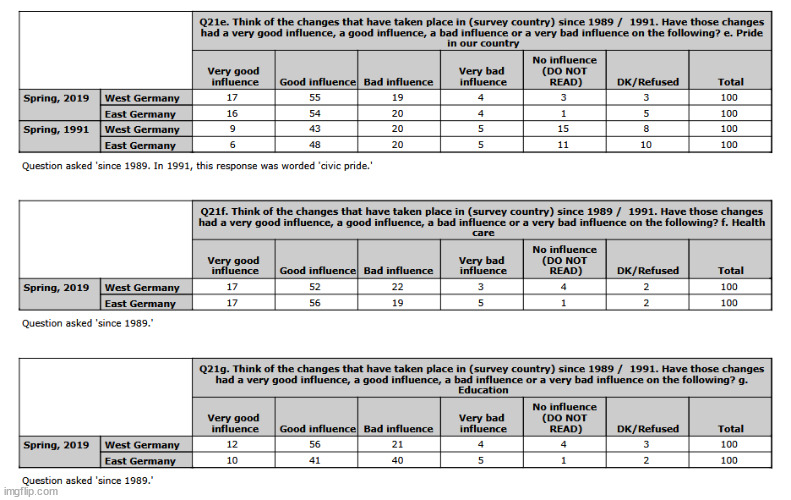
Thirty years ago, a wave of optimism swept across Europe as walls and regimes fell, and long-oppressed publics embraced open societies, open markets and a more united Europe. Three decades later, a new Pew Research Center survey finds that few people in the former Eastern Bloc regret the monumental changes of 1989-1991. Yet, neither are they entirely content with their current political or economic circumstances. Indeed, like their Western European counterparts, substantial shares of Central and Eastern European citizens worry about the future on issues like inequality and the functioning of their political systems.. . . and yet? You do not post the poll.
Even in the Pew Research. . I cannot find a break down of the demographics, which generally, is ALWAYS included. It is a must in social science research.
Where is it?
Without it? We can't say much about the data TBH.
(Well. . . the establishment CAN make articles and comments in the propaganda for the intellectually dull. No surprise you gravitate to it.
How the attitudes of West and East Germans compare, 30 years after fall of Berlin Wall
Despite broadly positive sentiments among Germans about the changes of the past 30 years, views differ in some notable ways in the former West and East.
 www.pewresearch.org


