Oh, dear. Okay, you realize that France and the Netherlands didn't fall until mid-1940, right? So AZrailwhale's point is valid.
LOL! Wow. Virtually any source you want to consult will tell you that the Great Depression ended in 1939, not 1933. Just one of literally thousands of sources that could be cited:
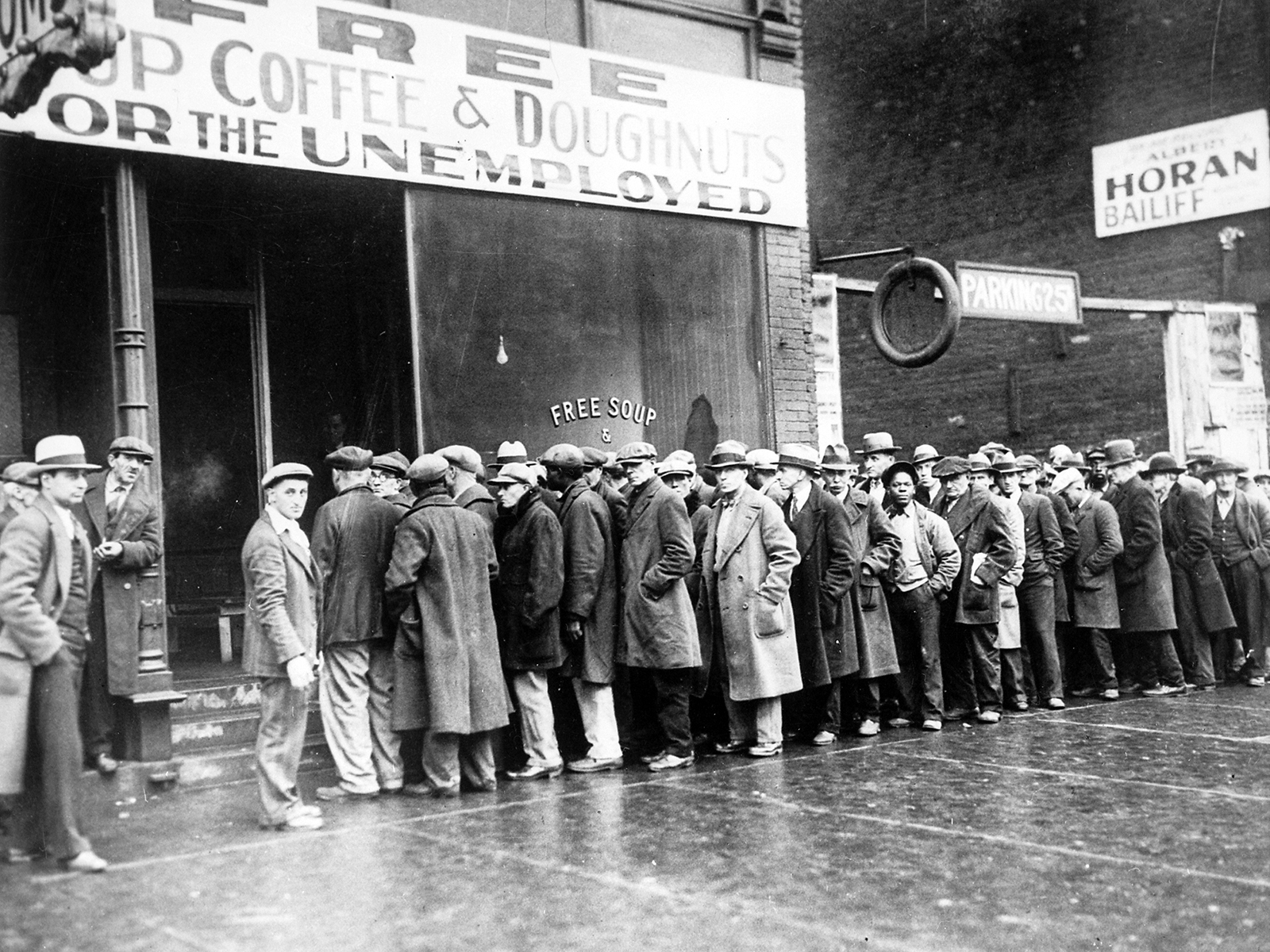
The Great Depression was the worst economic downturn in the history of the industrialized world, lasting from the stock market crash of 1929 to 1939. (Great Depression: Black Thursday, Facts & Effects)
And considerable economic troubles lasted until 1941, but 1939 is the date usually given for the end of the Great Depression. A sharp recession occurred in 1937. Let me repeat that: a sharp recession occurred in 1937. I'm just curious: where in the world do you get the idea that the Great Depression "ended in 1933"? Where?
No reputable historian or economist denies that the vast increase in war material production played an important role in ending the Great Depression, although there is disagreement about the degree to which military production aided the economy. The economy did not actually fully rebound until after the war. If you Google the subject, Google AI gives the following answer:
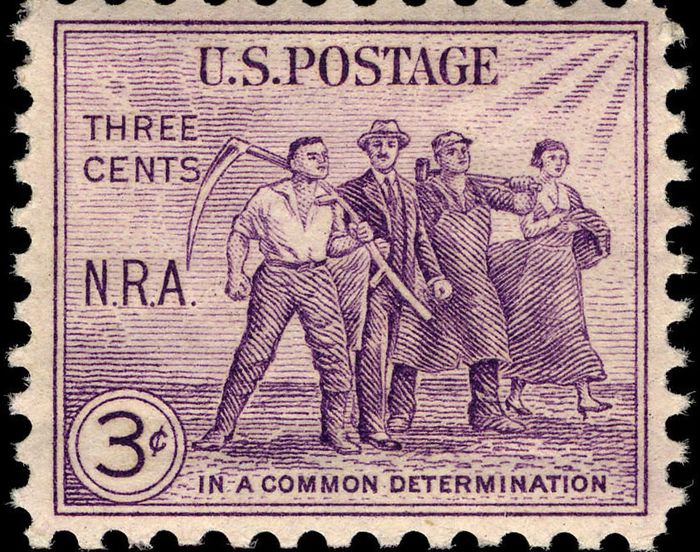
A common myth is that Franklin D. Roosevelt's New Deal ended the Great Depression. However, historians generally agree that the New Deal did not end the Great Depression. (LINK)
More sources for you:
The stock market crash, Gatsby’s parties, the New Deal, President Hoover and the actual timeline: So that we might learn from history, an expert in financial crises corrects some common misconceptions about the Great Depression.

ideas.darden.virginia.edu
Historians commonly contend that the New Deal was pivotal in beating the Great Depression and protecting the American middle class. But how significant was ...

thedailyeconomy.org
The Great Depression was a watershed in American history. Soon after Herbert Hoover assumed the presidency in 1929, the economy began to decline, and

www.independent.org
Following is an excerpt from Mr. Powell's controversial new book, FDR's Folly: How Roosevelt and His New Deal Prolonged the Great Depression (Crown Forum, 2003). The Great Depression has ha

www.hnn.us
Sometimes you can read a book that will change your mind on some fundamental issue. Rarely, however, is there just one page that can undermine or destroy

www.washingtonexaminer.com