This article is rather short, but spot on;
Here’s What Eating With the ‘Inverted’ Food Pyramid Looks Like
A nutritionist explains how to apply the 2025 U.S. Dietary Guidelines.
...
For 15 years, I’ve watched patients struggle with government nutrition advice that didn’t make them feel good—until now.
The new guidelines maintain many familiar recommendations—they still advise keeping saturated fat under 10 percent of daily calories and limiting added sugars and sodium. However, the emphasis has shifted in ways that reflect what many clinicians have found actually works in practice: building meals around “real” foods with ample, individualized protein amounts (about 1.2 to 1.6 grams per kilogram of body weight per day) and sharply curbing highly processed products and refined carbohydrates.
As a clinician who has used food-first strategies to improve patients’ health, these guidelines better reflect what delivers results in real-world settings.
Build a Real‑Food Plate
Most people I see don’t want another list of “good” and “bad” foods; they want a clear picture of what dinner can look like. Tonight’s dinner is the perfect place to start.
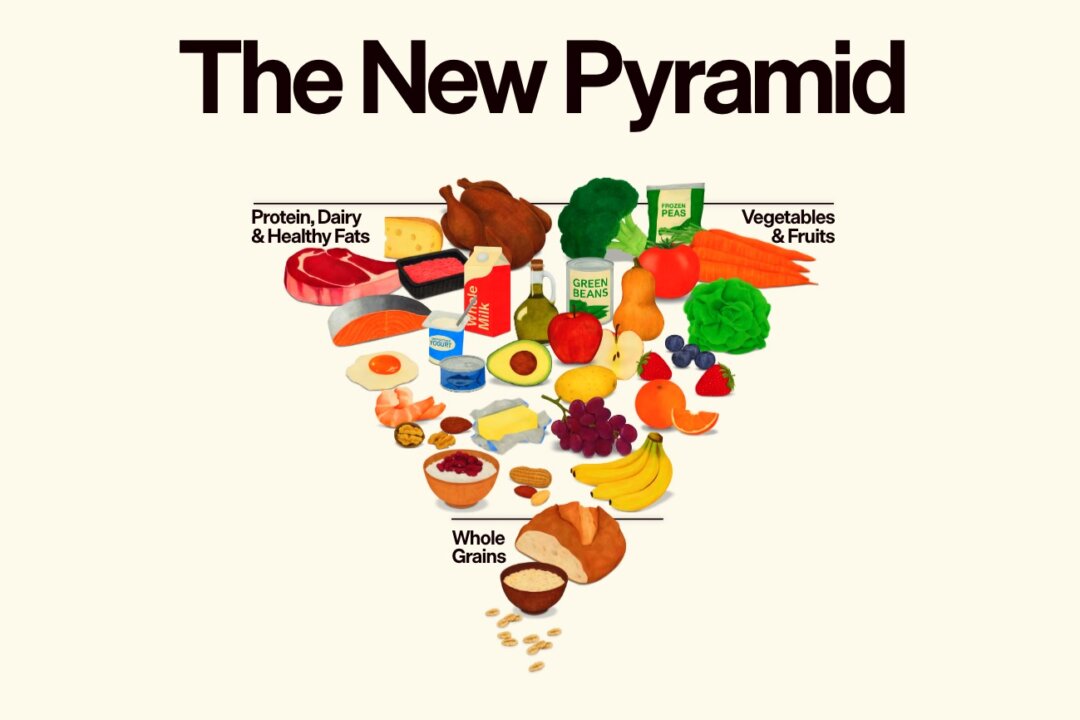
Think in simple terms: a piece of salmon, a burger made from ground beef, a couple of eggs, a bowl of full‑fat yogurt, a handful of nuts, and vegetables you or your kids can name. Rather than chasing perfect portions, follow a clear pattern: put protein at the center, surround it with plenty of plants, and choose fats that come from real foods, like olives and avocados, instead of factory blends. Then, layer in what the guidelines still emphasize—lots of fruits and vegetables and a modest amount of fiber‑rich whole grains, like oats or brown rice—to round out the plate.
...
A nutritionist explains how to apply the 2025 U.S. Dietary Guidelines.

www.theepochtimes.com

:max_bytes(150000):strip_icc()/Simply-Recipes-Where-to-Store-Eggs-LEAD-2-2b0b3597d54b403b8fff6cc17878e293.jpg)


:max_bytes(150000):strip_icc()/GettyImages-471040266-8a199cd771a44f6e94a321ad194b01ba.jpg)