Stated another way, the plan is to
default on public problem solving, and then
prevent the public from understanding the consequences of that default. To succeed this will require one of the biggest propaganda and freedom of information fights in U.S. history, the execution of which will, I think, consume the president’s re-election campaign. So much has
already been made public that the standard script for a White House cover up (worse than the crime…) won’t apply. Instead, everything will ride on the
manufacture of confusion. The press won’t be able to “expose” the plot because it will all happen
in stark daylight. The facts will be known, and simultaneously they will be
inconceivable.
...................................................................................................................................
The epidemiological models under review in the White House Situation Room in late March were bracing. In a best-case scenario, they showed the novel
coronavirus was likely to kill between 100,000 and 240,000 Americans. President Trump was apprehensive about so much carnage on his watch, yet also impatient to reopen the economy — and he wanted data to justify doing so.
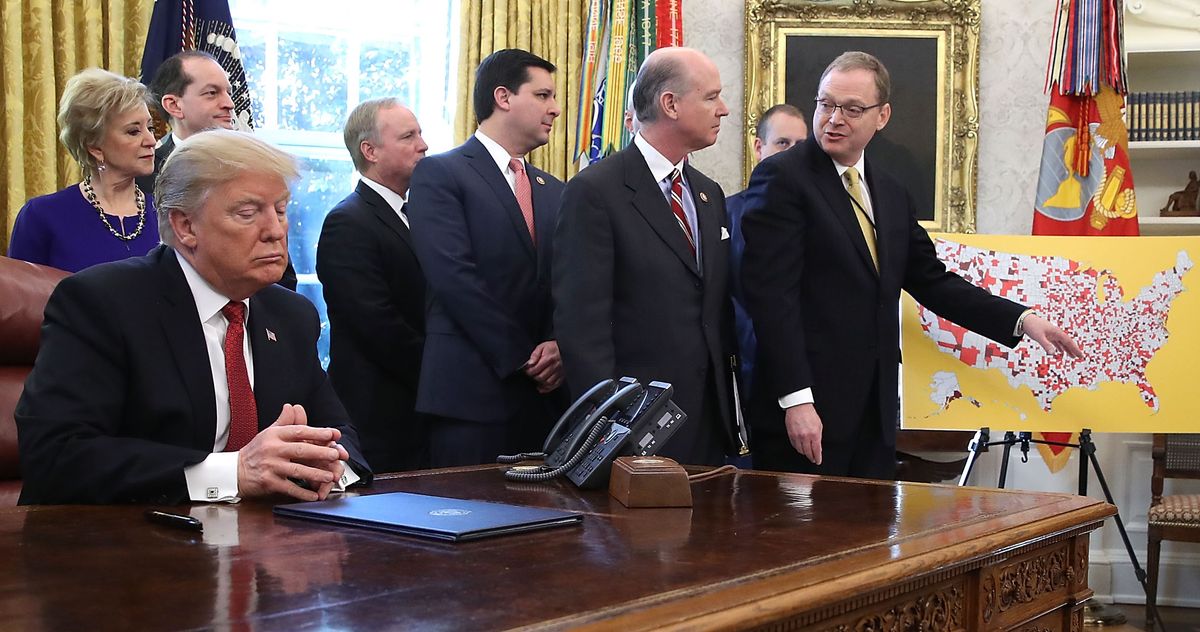
So the White House considered its own analysis. A small team led by Kevin Hassett — a former chairman of Trump’s Council of Economic Advisers with no background in infectious diseases — quietly built an econometric model to guide response operations.
............................................................................................................................................
"Trump’s normal sales pitch is to juxtapose his results against a horrific alternative. He routinely says that, had he not been elected, the economy would have collapsed, the U.S. would have gone to war with North Korea, and so on. Why, this time, did he establish a target he couldn’t meet? Indeed, why did he throw out numbers that were
obviously going to be exceeded very quickly?
A chief culprit in the blunder turns out to be Kevin Hassett, the former chair of the Council of Economic Advisers. Despite having no expertise in epidemiology, Hassett designed his own model and “White House aides interpreted the analysis as predicting that the daily death count would peak in mid-April before dropping off substantially, and that there would be far fewer fatalities than initially foreseen,”
reports the Washington
Post."
Why did Trump keep citing impossibly low death totals? Kevin Hassett, who is neither a public-health expert nor a good economist, made a model.

nymag.com