Each State shall appoint, in such Manner as the Legislature thereof may direct,[/B] a Number of Electors, equal to the whole Number of Senators and Representatives to which the State may be entitled in the Congress: but no Senator or Representative, or Person holding an Office of Trust or Profit under the United States, shall be appointed an Elector.
The Congress may determine the Time of chusing the Electors, and the Day on which they shall give their Votes; which Day shall be the same throughout the United States.
No person except a natural born Citizen, or a Citizen of the United States, at the time of the Adoption of this Constitution, shall be eligible to the Office of President; neither shall any Person be eligible to that Office who shall not have attained to the Age of thirty-five Years, and been fourteen Years a Resident within the United States.
You keep trying to argue about the state's choosing of their electors as if it were relevant here. The AZ bill is not a statute that prescribes how the state shall choose its electors. There is already law establishing AZ will rely on a general election.
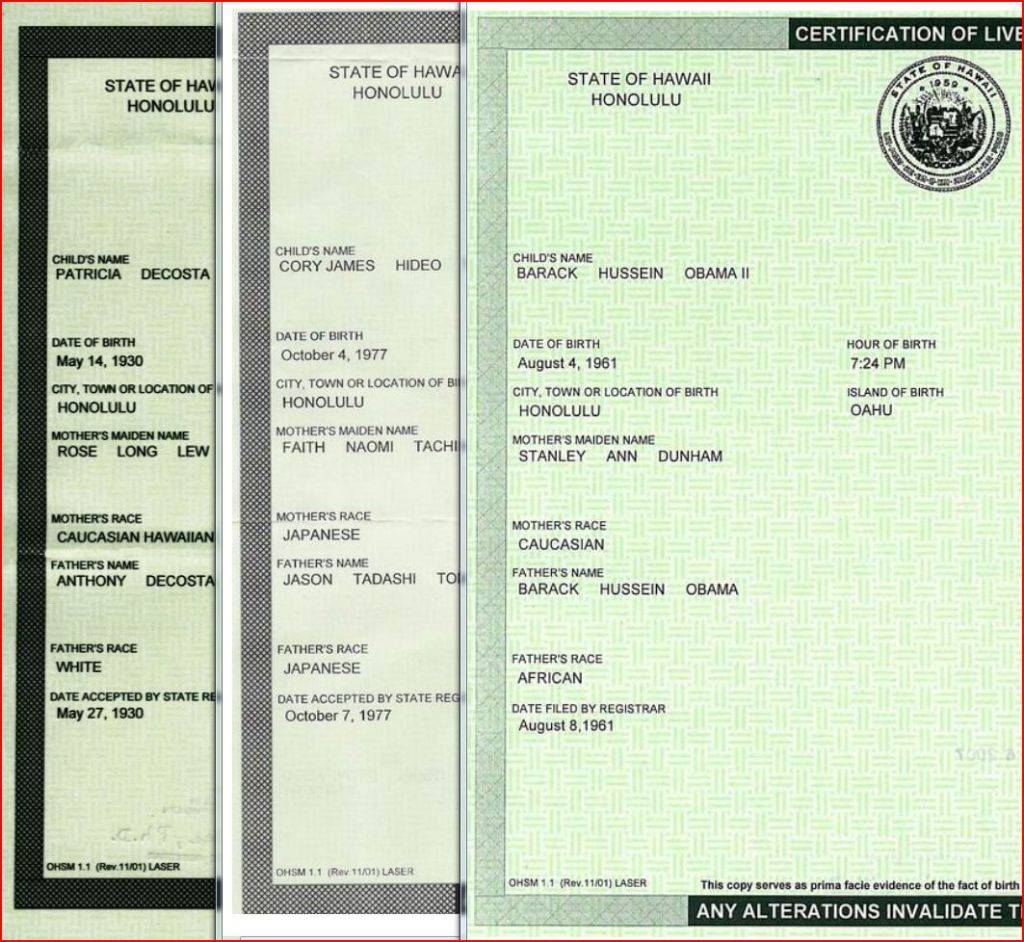
What the AZ bill does is provide a means to test the legal qualifications for a candidate to the Presidency. Its capacity to do so might itself be a question, but we may as well assume here that such a test is completely kosher. The legal qualifications for President of the United States include age requirements, residency requirements, and citizenship requirements. This bill specifically addresses the matter of citizenship. Any person born in the United States is a natural born citizen, and each state has its own methods of keeping and providing vital records which can be used to prove a person's citizenship.
Therefore, inasmuch as the bill in question tests the legal qualifications of a person to hold the office of President, and
does not prescribe by what manner the state shall choose its electors, and inasmuch as the state of AZ's actual method of choosing its electors is not at all changed by the bill, the constitutionality of the bill rests on whether the state of AZ has the power set for itself rules by which the records of other states will be proved to AZ.