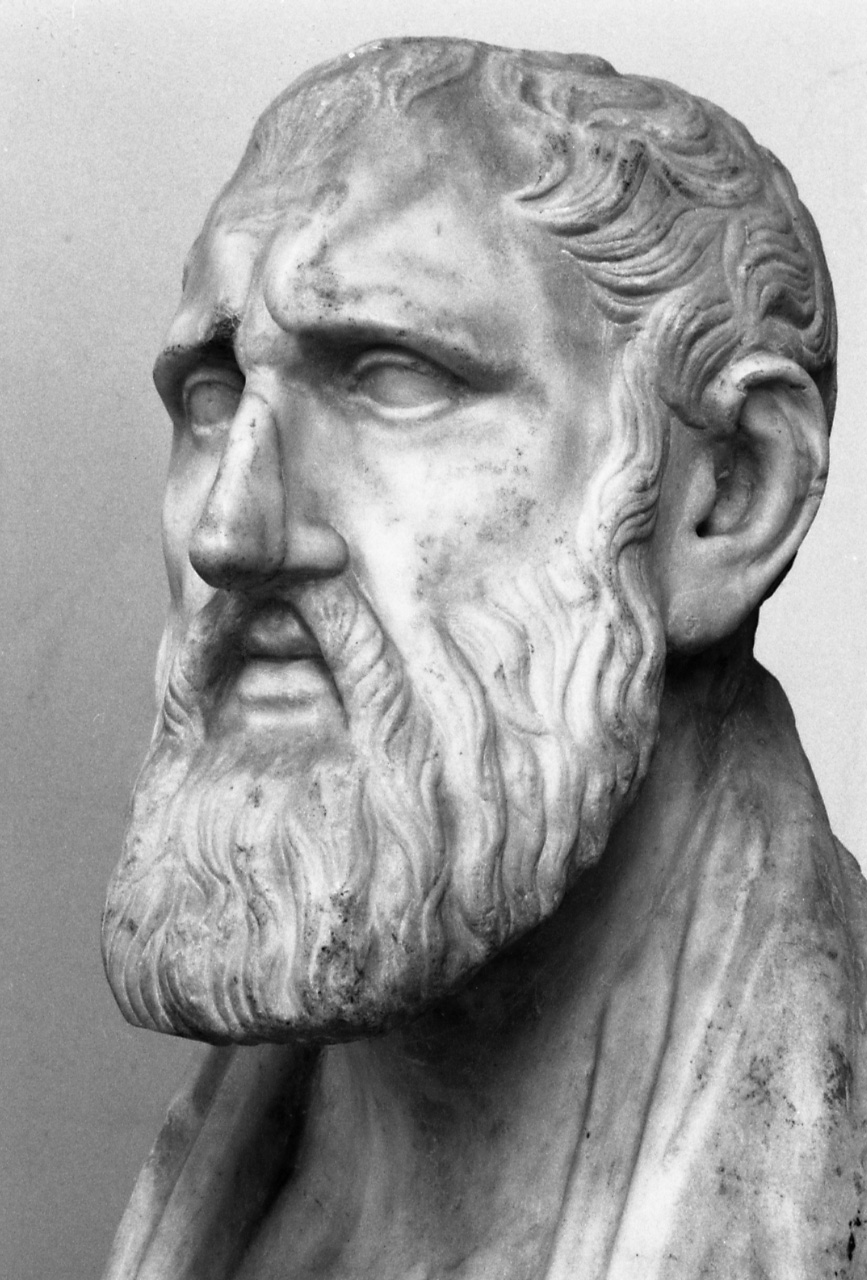
The Stoics are especially known for teaching that "
virtue is the only good" for human beings. Being intolerant of things one should not be intolerant of is not virtuous. It is the exact opposite of virtue. The Stoics also held that certain destructive emotions resulted from errors of judgment, and they believed people should aim to maintain a will (called prohairesis) that is "in accordance with nature". Because of this, the Stoics thought the best indication of an individual's philosophy was not what a person said but how a person behaved. To live a good life, one had to understand the rules of the natural order since they thought everything was rooted in nature.

en.wikipedia.org
Your virtues may be vices to someone else. And if what a person says is really not important then what do you care so much if a person has a negative opinion of your religion that you cannot tolerate it?
The Stoics also say that the only thing a person can control is his reactions to the events in the world. So maybe you want to try to do that.
Did you get the belief that someone else's virtues may be someone else's vice from stoicism

The Stoics elaborated a detailed taxonomy of virtue, dividing virtue into four main types: wisdom, justice, courage, and moderation. Wisdom is subdivided into good sense, good calculation, quick-wittedness, discretion, and resourcefulness. Justice is subdivided into piety, honesty, equity, and fair dealing.

iep.utm.edu