
GLASNOST
Platinum Member
You are getting so boring that you soon won't be worth reading.'Even though I started one, then lost.'
No, Russia is the Chump supporters' favourite. Just read this message board.
And then you complain about the fleas.
Follow along with the video below to see how to install our site as a web app on your home screen.
Note: This feature may not be available in some browsers.
You are getting so boring that you soon won't be worth reading.'Even though I started one, then lost.'
No, Russia is the Chump supporters' favourite. Just read this message board.
And then you complain about the fleas.
If you don't scratch it the pain will soon go away.Ow ow ow ow.
But don't get the idea I thought the SAS should be deployed there. Or the rest of the troops for that matter. It wasn't our country and it hadn't asked.
I could see NZ rationales and didn't like them at all. The government wanted to snivel to the US and the armed forces wanted the practise.
I'm not at all proud of that.

Pride cometh before the fall. Proverbs 16:18Poll Shows Drastic Political Split in National Pride
National pride has gone down with young people overall. It has gone down with Democrats overall.
When asked if they were "extremely" or "very proud," 92 percent of Republicans said this.
Democrats? Only 36 percent.
If not, is there a country you would rather be in?
Are You Proud to Be an American? New Poll Shows Drastic Political Split in National Pride

I know that though…You all don't know the answer to 1+1 =.

Yep, bet you say that every time you march in a Pride Parade.Pride cometh before the fall. Proverbs 16:18

Well, you need somebody to protect you, even the city-state of Singapore has a bigger navy than you do. Hell the Somali Pirates could probably defeat your navy and subjugateBut don't get the idea I thought the SAS should be deployed there. Or the rest of the troops for that matter. It wasn't our country and it hadn't asked.
I could see NZ rationales and didn't like them at all. The government wanted to snivel to the US and the armed forces wanted the practise.
I'm not at all proud of that.
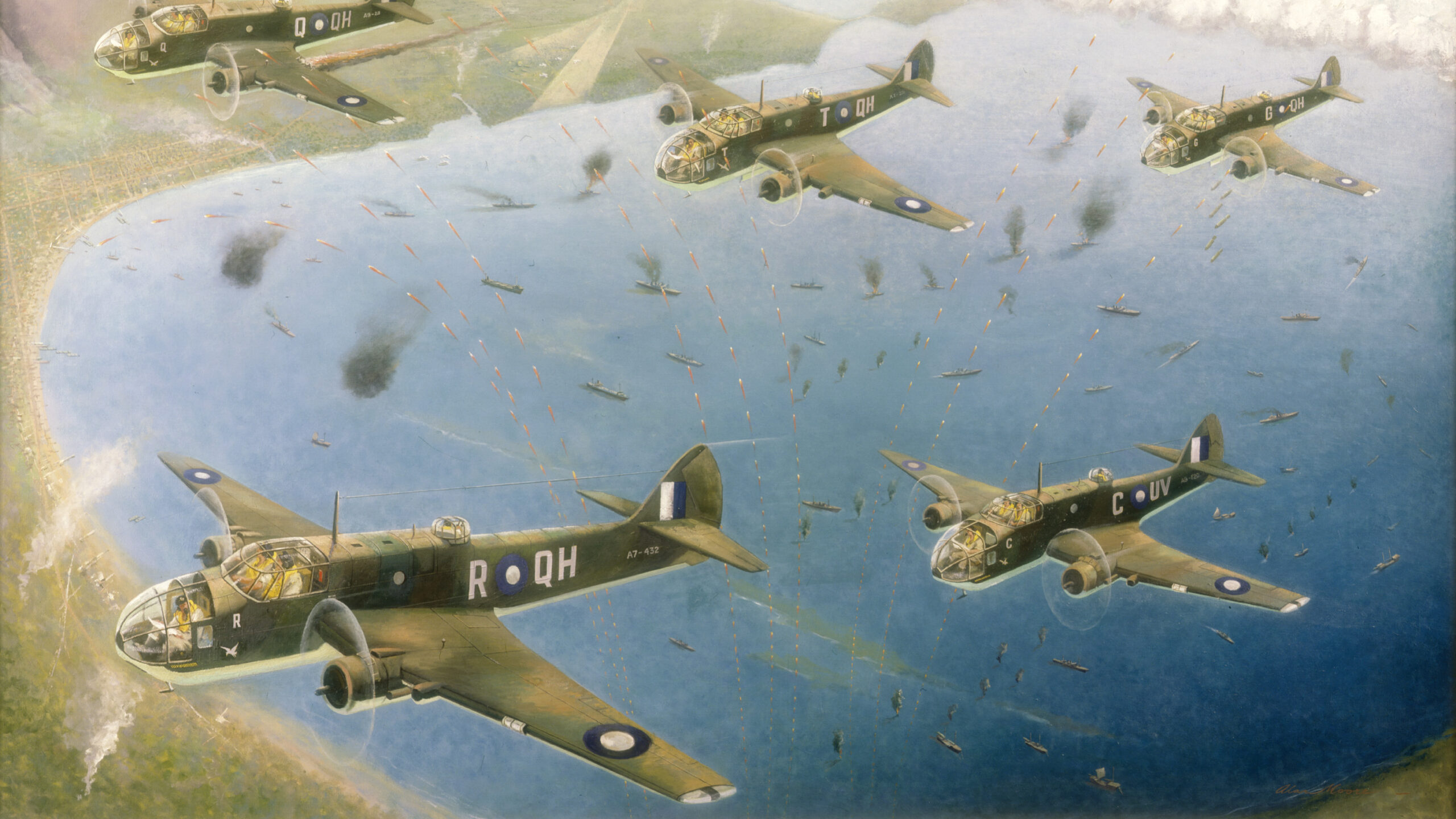
Yeah, you spent years of blood and treasure defending the United Kingdom, who abandoned both you and Australia to the tender mercies of the Japanese. The only reason they didn't invade you was that you had nothing they wanted, since they don't generally eat Mutton and you were defenseless and could wait to be swept up after they defeated the USA and Australia. Germany and Italy were no short-term threat to the USA, and in the long term our forces would have dwarfed anything they could field.The Japanese had no plans to invade NZ after the US had provoked it to war with an economic blockade. It wanted to isolate Australia.
Apart from that, NZ spent blood and treasure for years in pitched battles

to save you from the fascists before Japan's attack and Germany's declaration made you put down your cash registers.
I thank Al Gore for the internet, a great American.
I can use a map and compass.
I thank the UK for the radar that keeps us safe at airports.
The USA, Japan, Germany and the UK all developed radar at the same time and Japan developed the cavity magnetron before the UK did. They just didn't see any use for it.The Japanese had no plans to invade NZ after the US had provoked it to war with an economic blockade. It wanted to isolate Australia.
Apart from that, NZ spent blood and treasure for years in pitched battles
to save you from the fascists before Japan's attack and Germany's declaration made you put down your cash registers.
I thank Al Gore for the internet, a great American.
I can use a map and compass.
I thank the UK for the radar that keeps us safe at airports.

Speaking as an American I can say unequivocally that they do not.America feels the same way about you.

You mean ‘America hater’ which is what you seem to be.Speaking as an American I can say unequivocally that they do not.

1) "economic blockade" and sanctions are what you Lefty wingnuts are always saying the West should do rather than go to use of military force. In the case of Japan in late 1930s-1940s the "economic blockade was intended to persuade Japan to end it's war against China and the capture of Chinese territory. Japan had a choice, two it seems;The Japanese had no plans to invade NZ after the US had provoked it to war with an economic blockade. It wanted to isolate Australia.
Apart from that, NZ spent blood and treasure for years in pitched battles
to save you from the fascists before Japan's attack and Germany's declaration made you put down your cash registers.
I thank Al Gore for the internet, a great American.
I can use a map and compass.
I thank the UK for the radar that keeps us safe at airports.
"to save you from the fascists before Japan's attack and Germany's declaration made you put down your cash registers."The Japanese had no plans to invade NZ after the US had provoked it to war with an economic blockade. It wanted to isolate Australia.
Apart from that, NZ spent blood and treasure for years in pitched battles
to save you from the fascists before Japan's attack and Germany's declaration made you put down your cash registers.
I thank Al Gore for the internet, a great American.
I can use a map and compass.
I thank the UK for the radar that keeps us safe at airports.
 warfarehistorynetwork.com
"I thank Al Gore for the internet, a great American."The Japanese had no plans to invade NZ after the US had provoked it to war with an economic blockade. It wanted to isolate Australia.
Apart from that, NZ spent blood and treasure for years in pitched battles
to save you from the fascists before Japan's attack and Germany's declaration made you put down your cash registers.
I thank Al Gore for the internet, a great American.
I can use a map and compass.
I thank the UK for the radar that keeps us safe at airports.

"I can use a map and compass."The Japanese had no plans to invade NZ after the US had provoked it to war with an economic blockade. It wanted to isolate Australia.
Apart from that, NZ spent blood and treasure for years in pitched battles
to save you from the fascists before Japan's attack and Germany's declaration made you put down your cash registers.
I thank Al Gore for the internet, a great American.
I can use a map and compass.
I thank the UK for the radar that keeps us safe at airports.


When are you leaving?BS. And people leave this country every day.
"I thank the UK for the radar that keeps us safe at airports."The Japanese had no plans to invade NZ after the US had provoked it to war with an economic blockade. It wanted to isolate Australia.
Apart from that, NZ spent blood and treasure for years in pitched battles
to save you from the fascists before Japan's attack and Germany's declaration made you put down your cash registers.
I thank Al Gore for the internet, a great American.
I can use a map and compass.
I thank the UK for the radar that keeps us safe at airports.

 www.panam.org
Japan got a large boost on radar development after sinking the UK warships Repulse and Prince of Wales, from which their divers retrieved the radar equipment off the sunken wrecks.The USA, Japan, Germany and the UK all developed radar at the same time and Japan developed the cavity magnetron before the UK did. They just didn't see any use for it.
They aren't the only things not mentioned but could be given time and inclination.I'm amazed that the things Americans could take fair pride in haven't been mentioned much at all.
USAID
NIH
CDC
Oh. Right...


We are not proud to have youUsed to be. Not so much at the moment.


