As bleak as the prospects are, there are encouraging signs that the private sector is coming in line with the planet's governments who are heeding the scientific reality and its blatant symptoms.
There is a growing consensus that the private sector must be involved if the world is to avoid catastrophic global warming.
A group of over 450 major financial institutions announced that they are aligning their investments with the 2015 Paris climate accord — which calls for reducing carbon dioxide emissions and other efforts to limit global warming to 1.5 degrees Celsius (2.7 Fahrenheit) above pre-industrial levels.
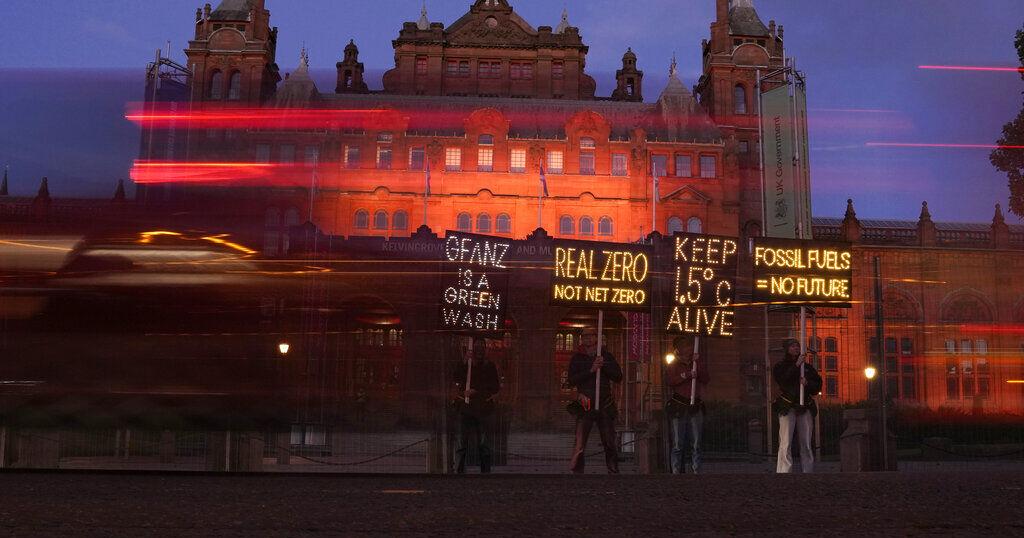
The Glasgow Financial Alliance for Net Zero — launched this year by former Bank of England chief Mark Carney — promised to follow scientific guidelines for cutting carbon emissions to “net zero” by 2050.
That goal — which means limiting greenhouse gas emissions to the amount that can be absorbed again through natural or artificial ways — is increasingly being embraced by companies and governments around the world.
Some social justice activists called for scrutiny of investors' motives, warning that the same financial institutions that profited from funding fossil fuel firms were now being presented as green champions.

www.nola.com
There is profit in responsible, scientifically-savvy policy.
The alternative, besides being financially irresponsible, is an unacceptable abandonment of national security:
The effects of climate change are "threat multipliers" that will force the Pentagon to rethink how it engages in training, missions and humanitarian aid around the world, the Defense Department said Tuesday in its Quadrennial Defense Review .
The review, released every four years, steps up calls made to address climate change in the last version. It noted climate change would "aggravate stressors" such as "poverty, environmental degradation, political instability and social tensions — conditions that can enable terrorist activity and other forms of violence."