If theism is a belief in the existence of god or gods, then atheism certainly can be defined as not believing in the existence of god or gods. Many people may see atheism as a denial of the existence of any god rather than a lack of belief in any god, but that doesn't make it the only valid definition of the word.
I agree that the process used to come to the 25% number does seem like a stretch.
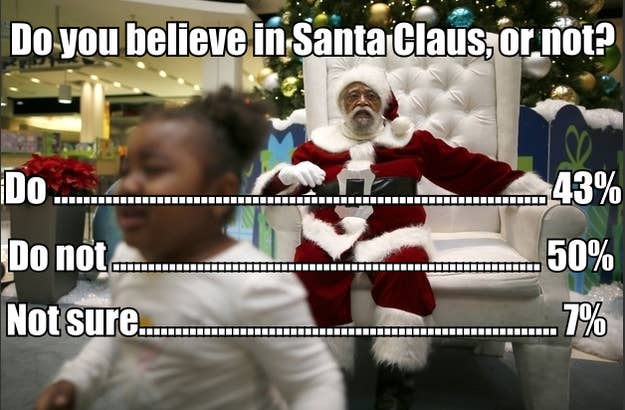
This is not a binary choice, but a trinary choice, as are most questions of belief. The possibilities are in general;
1. I agree/endorse/believe/affirm
2. I deny/disagree/reject/contradict
3. I am undecided/will neither affirm nor deny/ admit to possibility but not to probability.
If we look at the matter of the possible, etc, we have
1. the possible (not impossible assertion)
2. the plausible (it is consistent with what we know, but it could still be false)
3. the probable (it is most likely true)
4. the proven
5. the impossible
Theism is affirmation of at least the probability of a higher power existing.
Atheism is a denial of at least the plausibility of a Higher Power.
Agnosticism says it is possible or even plausible that there is a higher power but denies it is anything more than plausible and is still unknown.
At least that was the use of the terms when I took college Critical Thinking about 40 years ago.