The Association of Home Appliance Manufacturers—which represents Whirlpool and other top brands—is quoted telling readers that the plan “could effectively ban gas appliances.” The American Gas Association is ever so slightly more tempered, warning that its “another attempt by the Federal government to use regulations to remove viable and efficient natural gas products from the market.”
There’s only one problem: the Department of Energy (DOE) has proposed no such thing. By law, DOE could not set energy efficiency standards that ban gas stoves even if it wanted to.
A blockbuster Bloomberg News article Wednesday appeared to uncover surprising news: recently proposed Department of Energy efficiency standards for stoves are “drawing fear from the industry that the regulation could effectively end the use of some products from the market.”

appliance-standards.org
The DOE stove efficiency proposal—published on the agency’s
website in December and in the
Federal Register this week—would set separate standards for electric smooth cooktops, electric coil cooktops, and gas cooktops. It turns out that among electric smooth cooking tops and also among gas models, there are wide variations in the efficiency of today’s products. For these two types, DOE estimates that its proposed standards would reduce energy use by about 30% each to do the same amount of cooking, relative to the
least-efficient products of those types on the market today.
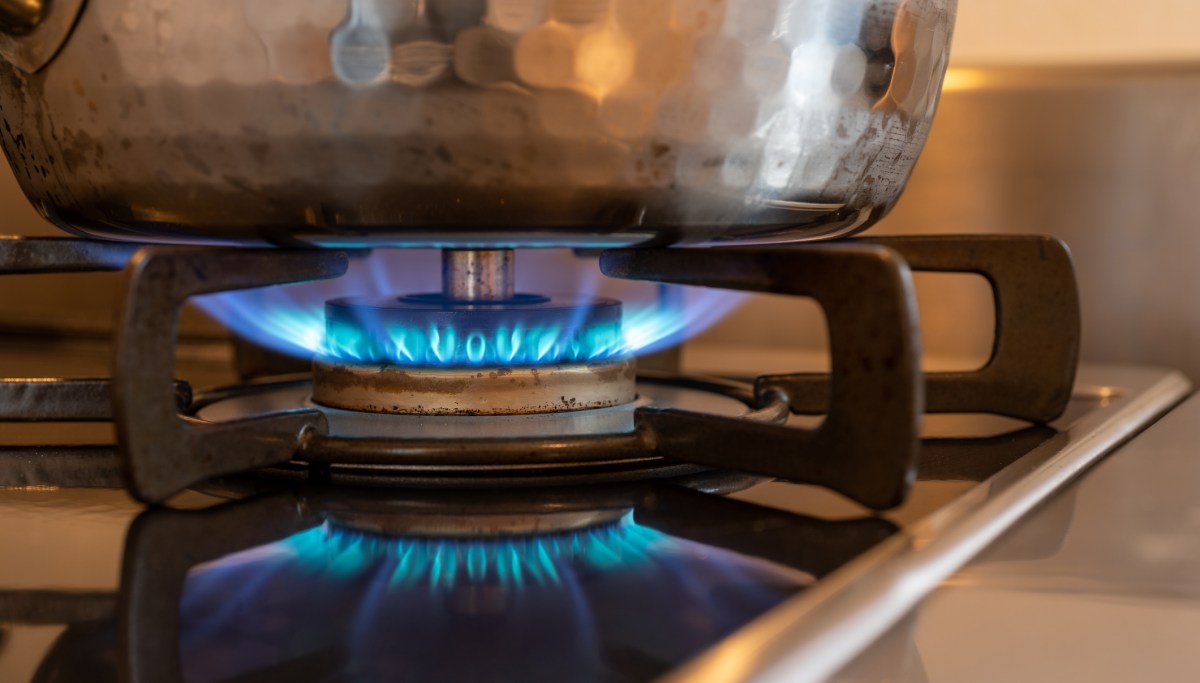
For gas stoves, DOE’s analysis found that “optimized burner and grate design” in models (including optimizing “grate weight, flame angle, distance from burner ports to the cooking surface”) could help them achieve the proposed efficiency levels. But is that reasonably doable, or, as the manufacturers suggest, is this really just a ban?
Fortunately, DOE checked. It turns out that for the
generally lower-priced gas stove types sold today, many would already meet the proposed standard (in this case known as “max-tech”). As the proposal puts it, "Gas cooking tops with thinner non-continuous grates typically are at max-tech.”
In fact, DOE has now
said that “every major manufacturer has products that meet or exceed the requirements proposed today—including nearly 50% of the current gas cooktop market that will not be impacted by this proposal.”

 www.washingtonexaminer.com


