berg80
Diamond Member
- Oct 28, 2017
- 33,263
- 27,119
- 2,820
Even in the face of overwhelming evidence, false narratives can be incredibly sticky. Many people insist that the earth is flat, that childhood vaccines cause autism, or that climate change is a hoax, despite ample scientific evidence to the contrary.
“Stories are very powerful,” said Timothy Tangherlini, a UC Berkeley professor in the Department of Scandinavian and the School of Information. “We’re much more comfortable with hearing stories that confirm our beliefs than ones that challenge them.”
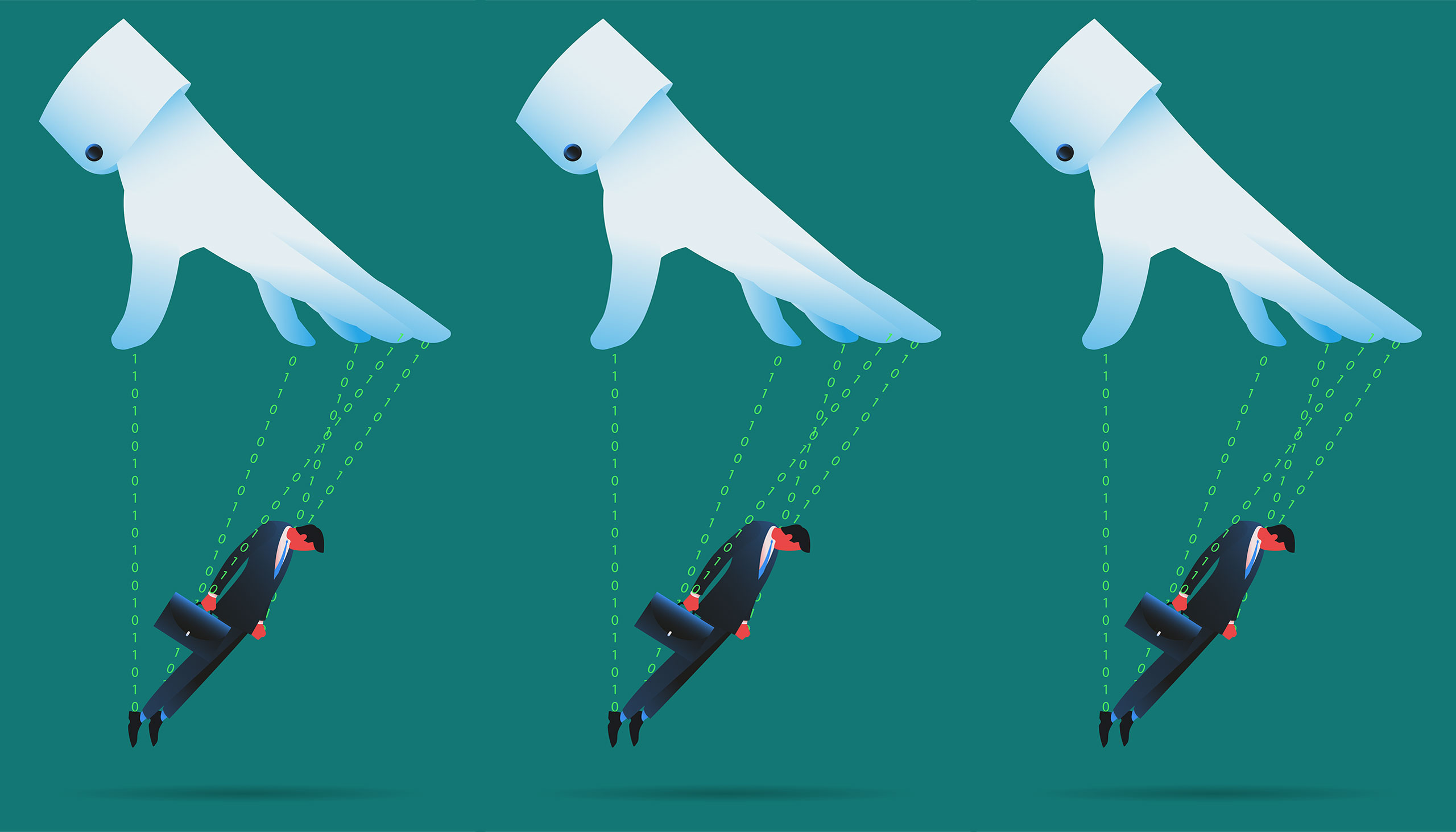
Tangherlini sees narratives like these, and the many other conspiracies that are rife in today’s internet culture, as a type of modern-day folklore. As a computational folklorist, he uses AI tools to study how social media networks have accelerated the spread of conspiracies and false beliefs, and what, if anything, we can do to slow them down.
Following an election cycle dominated by conspiracies and hoaxes — from elites controlling the path of hurricanes, to 20 million missing votes for Kamala Harris and immigrants eating people’s pets — Tangherlini’s work is more relevant than ever. Berkeley News spoke with Tangherlini about why conspiratorial thinking has flourished in recent years and how we might spread stories of inclusion and truth that are powerful enough to stem the tide of false belief.
 news.berkeley.edu
He started his political career by stoking the lie that President Obama was not born in the United States. By 2024, he complained, falsely, that noncitizens would vote in the November election and throw the result to Democrats. He declared on a debate stage that immigrants in Ohio were eating people’s pets. He promised to release government files on Sept. 11 and the assassination of John F. Kennedy, and told Fox News that “I guess I would” release the government’s files on Jeffrey Epstein, too.
As president, though, he’s finding that it’s a whole lot easier to start a conspiracy theory than it is to put one to rest.
I'm not so sure calling the true believers "stupid" is going to do the trick. Chalk that comment up to the frustrations of an irritated older man who has lost control of the narrative he helped start.
They could be forgiven for expecting more details. Trump installed two vocal Epstein conspiracy theorists and right-wing media personalities, Kash Patel and Dan Bongino, to run the F.B.I. after both men spent years telling their audiences there really was a there there. This spring, Attorney General Pam Bondi promised big revelations about the case that have come to nothing.
trump devotees thought, inexplicably, he could be relied on to tell the unvarnished truth when other politicians wouldn't. That their "anti-establishment" hero was one of them. IOW, he pulled off a Herculean feat of deception.
“Stories are very powerful,” said Timothy Tangherlini, a UC Berkeley professor in the Department of Scandinavian and the School of Information. “We’re much more comfortable with hearing stories that confirm our beliefs than ones that challenge them.”
Tangherlini sees narratives like these, and the many other conspiracies that are rife in today’s internet culture, as a type of modern-day folklore. As a computational folklorist, he uses AI tools to study how social media networks have accelerated the spread of conspiracies and false beliefs, and what, if anything, we can do to slow them down.
Following an election cycle dominated by conspiracies and hoaxes — from elites controlling the path of hurricanes, to 20 million missing votes for Kamala Harris and immigrants eating people’s pets — Tangherlini’s work is more relevant than ever. Berkeley News spoke with Tangherlini about why conspiratorial thinking has flourished in recent years and how we might spread stories of inclusion and truth that are powerful enough to stem the tide of false belief.
Why conspiracies are so popular — and what we can do to stop them - Berkeley News
UC Berkeley Professor Timothy Tangherlini uses lessons from folklore and AI to understand how social media fuels the spread of conspiracies, and how we can use storytelling tools to stem the tide of misinformation.
news.berkeley.edu
How Do You Silence a Conspiracy Theory?
As a presidential candidate, Donald Trump loved a conspiracy theory.He started his political career by stoking the lie that President Obama was not born in the United States. By 2024, he complained, falsely, that noncitizens would vote in the November election and throw the result to Democrats. He declared on a debate stage that immigrants in Ohio were eating people’s pets. He promised to release government files on Sept. 11 and the assassination of John F. Kennedy, and told Fox News that “I guess I would” release the government’s files on Jeffrey Epstein, too.
As president, though, he’s finding that it’s a whole lot easier to start a conspiracy theory than it is to put one to rest.
I'm not so sure calling the true believers "stupid" is going to do the trick. Chalk that comment up to the frustrations of an irritated older man who has lost control of the narrative he helped start.
They could be forgiven for expecting more details. Trump installed two vocal Epstein conspiracy theorists and right-wing media personalities, Kash Patel and Dan Bongino, to run the F.B.I. after both men spent years telling their audiences there really was a there there. This spring, Attorney General Pam Bondi promised big revelations about the case that have come to nothing.
trump devotees thought, inexplicably, he could be relied on to tell the unvarnished truth when other politicians wouldn't. That their "anti-establishment" hero was one of them. IOW, he pulled off a Herculean feat of deception.