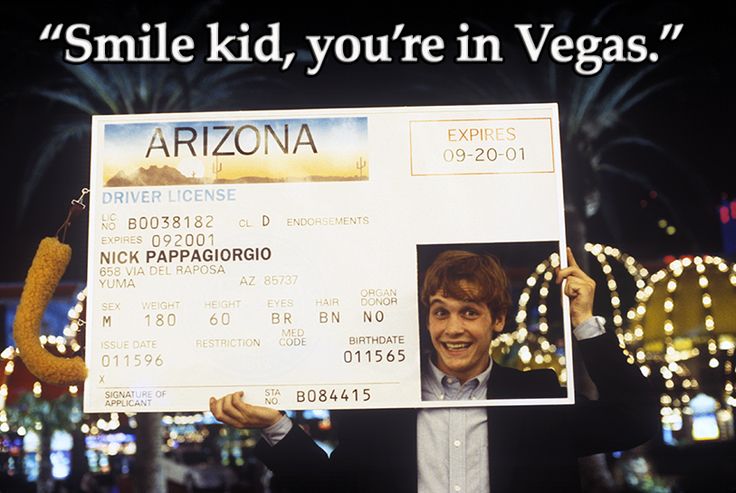
Being a practical person I try to spend money wisely. I'll spend it I just don't like wasting money. So being a vet I go to Lowes and ask about their 10 percent discount for vets. No dice, I don't have a card issued by the VA, because I an not eligible for VA medical benefits. Same with Home Depot. Even though the state issued license states veteran, not good enough. When I got vet. status added to my driver's license I asked if they needed proof, they said no, I said what if someone lies, they said they would then be in trouble, I laughed. So in reality it doesn't do me any good. But I have heard this isn't always the case.
The point is, for fishing I need to carry a license and a photo id. For hunting, the same thing. But for electing the next president of the United States, nothing. Where does that put voting in real importance?
Well since your premise is based on bullshit, let me help you out...
I go to vote and they ask for I.D., I produce my college identification; they say no good.
They say that the average citizen should have the following:
CPL
Pass Port
Military Identification
U.S. Citizenship papers
Driver's License
It's common sense that a majority of minority populations don't have the above listed I.D.
The problem is further exacerbated when Republicans cut back the number of voting places in densely populated urban ares and at the same time increase the number of voting locations in less populated suburban ares.
Republicans also cut back the days and hours when minority populations tend to vote as well sending misleading documents to minority voter's homes.
Race has been a significant factor. In 2008, voter participation among African Americans and certain other groups surged. Then came backlash. The more a state saw increases in minority and low-income voter turnout, the more likely it was to push laws cutting back on voting rights, according to the University of Massachusetts study. The Brennan Center for Justice likewise found that of the 11 states with the highest African American turnout in 2008, seven passed laws making it harder to vote. Of the 12 states with the largest Hispanic population growth in the 2010 Census, nine have new restrictions in place.
Some laws are especially egregious in targeting how minorities vote. The push to shut down Sunday early voting in states where African American churches organized successful “Souls to the Polls” drives is a glaring example. Laws restricting voter registration drives are another such tactic. African Americans and Latinos register through drives at twice the rate of white citizens, and in recent years, civic groups have used drives to help close the racial registration gap—as they have for veterans, young people, and other less registered populations. Instead of embracing these efforts, Florida and several other states passed laws that make it difficult—and, before a court stepped in, impossible—for groups to help voters register
North Carolina has the dubious distinction of having the nation’s harshest and most sweeping new voting law. Enacted immediately after the Supreme Court gutted the Voting Rights Act last year, the law slashes seven early voting days, imposes a strict photo ID requirement, eliminates same-day registration, stops pre-registration for 16- and 17-year-olds, prohibits the counting of provisional votes cast outside of voters’ home precincts, and more. Other than the photo ID requirement, which will be implemented in 2016, all of these changes are currently in effect.
Texas’s voter ID law could have a substantial impact this November. Uncontroverted expert data presented at trial showed that 1.2 million eligible Texans do not have IDs that would be accepted under the new law. Among registered voters, more than 600,000 lack acceptable ID. The effect on black and Latino voters is disproportionate; Hispanic registered voters are 3.2 times more likely than white voters to lack ID, and black registered voters are 2.3 times more likely to lack ID, according to anexpert study.