Sixty one percent of Americans might be on the light side of how many Americans think this war is a mistake. I think it is likely higher, the real number is 70 to 75% of Americans who disapprove. That includes those who say it was a "good idea", as they can't lie to themselves convincingly enough.
Hegseth's Congressional testimony was painful to watch, his conduct only serving to reinforce one's apprehension on how all this turns out.
President Donald Trump’s war in Iran is as unpopular among Americans as the Iraq War during the year of peak violence in 2006 and the Vietnam War in the early 1970s, according to a Washington Post-ABC News-Ipsos poll, amid growing economic pain and fears of terrorism as a result of the military campaign.
Sixty-one percent of Americans say that using military force against Iran was a mistake, with fewer than 2 in 10 Americans believing that the U.S. actions in Iran have been successful. About 4 in 10 say it has been unsuccessful, while another 4 in 10 say it is “too soon to tell.” The polling numbers indicate a broadly unpopular war effort and growing economic fallout at a time when the White House has been trying to convince Americans that they are better off under Trump than under Democrats.
But support for the war among self-identified Republicans remains high: 79 percent say it was the right decision. Independents who lean toward the Republican Party are roughly split, with 52 percent saying it was the right decision and 46 percent saying it was a mistake.
Trump has indicated that the current impasse with Iran could last for an extended period, saying Wednesday that he planned to make Iranian leaders “cry uncle” and that there would “never be a deal unless they agree that there will be no nuclear weapons.” Iranian leaders — who have long denied they are seeking a nuclear weapon — say they want to reach an initial agreement to end the war and reopen a crucial global shipping chokepoint, the Strait of Hormuz, taking on nuclear talks only after that.
The president on Wednesday ruled out face-to-face negotiations for now, after an initial round in early April broke without a deal. He has paused the war indefinitely, but global oil inventory is diminishing with the near-total halt in shipping traffic through the strait. Brent crude futures, the global oil benchmark, were down 3.7 percent on Thursday, backing away from their highest level since 2022.
WaPo
Hegseth's Congressional testimony was painful to watch, his conduct only serving to reinforce one's apprehension on how all this turns out.
Poll: Trump’s Iran war reaches Iraq- and Vietnam-era disapproval levels
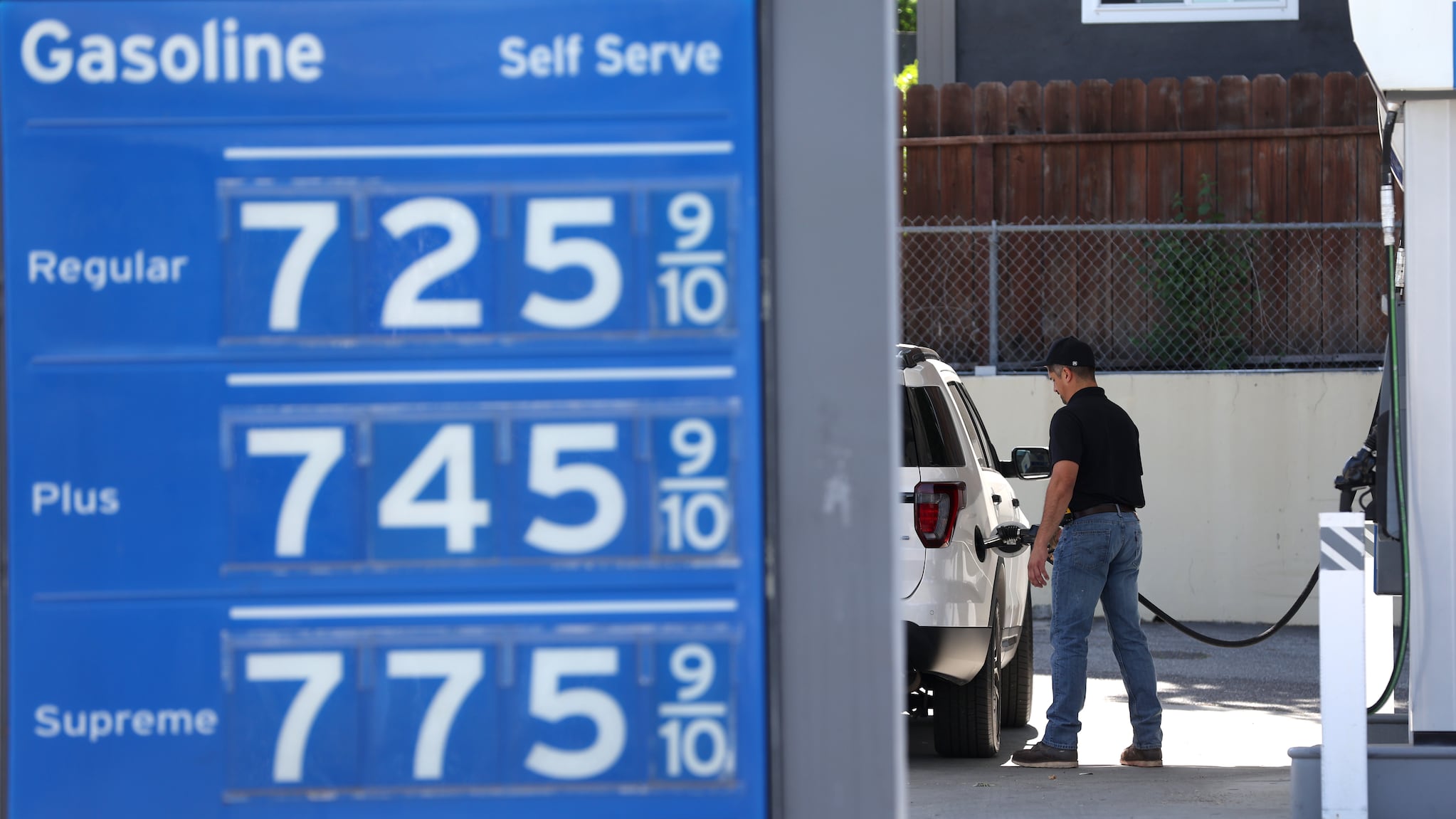
A Post-ABC-Ipsos poll shows most Americans call the military action a mistake, even as Republicans remain strongly supportive. Many Americans fear the conflict will lead to a recession.President Donald Trump’s war in Iran is as unpopular among Americans as the Iraq War during the year of peak violence in 2006 and the Vietnam War in the early 1970s, according to a Washington Post-ABC News-Ipsos poll, amid growing economic pain and fears of terrorism as a result of the military campaign.
Sixty-one percent of Americans say that using military force against Iran was a mistake, with fewer than 2 in 10 Americans believing that the U.S. actions in Iran have been successful. About 4 in 10 say it has been unsuccessful, while another 4 in 10 say it is “too soon to tell.” The polling numbers indicate a broadly unpopular war effort and growing economic fallout at a time when the White House has been trying to convince Americans that they are better off under Trump than under Democrats.
But support for the war among self-identified Republicans remains high: 79 percent say it was the right decision. Independents who lean toward the Republican Party are roughly split, with 52 percent saying it was the right decision and 46 percent saying it was a mistake.
Trump has indicated that the current impasse with Iran could last for an extended period, saying Wednesday that he planned to make Iranian leaders “cry uncle” and that there would “never be a deal unless they agree that there will be no nuclear weapons.” Iranian leaders — who have long denied they are seeking a nuclear weapon — say they want to reach an initial agreement to end the war and reopen a crucial global shipping chokepoint, the Strait of Hormuz, taking on nuclear talks only after that.
The president on Wednesday ruled out face-to-face negotiations for now, after an initial round in early April broke without a deal. He has paused the war indefinitely, but global oil inventory is diminishing with the near-total halt in shipping traffic through the strait. Brent crude futures, the global oil benchmark, were down 3.7 percent on Thursday, backing away from their highest level since 2022.
WaPo